Чтобы получить информацию «из первых уст», мы обратились за комментариями в юридическую фирму «Safir Consulting Group». В ходе интервью мы попытались прояснить вопросы, которые больше всего волнуют автовладельцев.

АвтоПортал: На какие именно нарушения ПДД распространяется фиксация с помощью фото и видео?
- Превышение допустимой скорости;
- Проезд на запрещающий сигнал светофора;
- Движение по тротуарам или пешеходным зонам, что запрещено для транспортных средств;
- Выезд на встречную полосу;
- Нарушение правил пересечения железнодорожных переездов.
Логично возникает вопрос: что делать, если у водителя не было иного выбора, кроме как нарушить правила? Например, пришлось выехать на тротуар, чтобы избежать аварии, или резко затормозить из-за выбежавшей собаки или подрезавшего автомобиля. Как быть в таких ситуациях?
Safir Consulting Group: Ответ на этот вопрос уже давно заложен в действующих нормах статей 17 и 18 Кодекса Украины об административных правонарушениях. Согласно КУоАП, лицо, которое действовало в условиях крайней необходимости, не привлекается к административной ответственности.

Даже если КУоАП или другой закон прямо предусматривает наказание за конкретное действие, оно не будет считаться правонарушением, если было совершено для предотвращения угрозы государственному или общественному порядку, собственности, правам и свободам граждан, установленному порядку управления. Главное условие — чтобы эта опасность в сложившихся обстоятельствах не могла быть устранена иным способом, а нанесенный ущерб был значительно меньше того вреда, которого удалось избежать.
Для освобождения от ответственности лицу нужно доказать наличие всех трех условий: во-первых, цель была правомерной (спасение жизни, здоровья, имущества, избежание столкновения); во-вторых, не было других способов избежать опасности; в-третьих, предотвращенный вред оказался значительнее причиненного (например, при спасении жизни или здоровья было поцарапано чужое авто).
АвтоПортал: Недавние изменения законодательства предполагают, что движение в колонне более чем из 5 автомобилей без специального разрешения может обернуться проблемами. Означает ли это, что теперь под запрет попадают похоронные процессии и свадебные кортежи? Что делать водителям, которых ГАИ захочет оштрафовать за участие в таких колоннах?
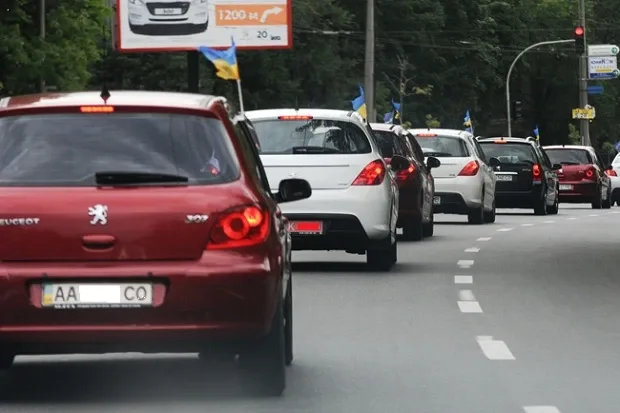
Safir Consulting Group: Если исходить из буквального смысла новой части 5 статьи 122 КУоАП Украины, то движение группы более чем из пяти автомобилей без предварительного согласования с ГАИ действительно может считаться нарушением. Поскольку практические нюансы пока неясны, можно предположить, что сотрудники ГАИ, определяя признаки колонны, будут ориентироваться на количество машин и синхронность их движения. Свадебные кортежи и похоронные процессии, в которых больше пяти транспортных средств, будут соответствовать этим критериям. Поэтому, не имея соответствующего разрешения, их участники могут стать субъектами данного правонарушения. Что касается поведения водителей, которых пытаются оштрафовать за несанкционированное движение в колонне, то на данный момент рекомендации могут сводиться лишь к отрицанию самого факта движения в колонне. В качестве аргументов можно использовать соблюдение установленной дистанции и невозможность совершить обгон в плотном потоке впереди идущих машин.
Автопортал: Много дискуссий вызвала норма, согласно которой владельцам авто придется самим доказывать, что за рулем в момент фиксации нарушения находился не они. Некоторые юристы ссылаются на Конституцию и презумпцию невиновности. Однако в новом Законе ответственность возлагается на владельца транспортного средства, даже если он не был за рулем! У владельца есть 10 дней с момента получения постановления на его обжалование. Но как вообще можно доказать свою непричастность?
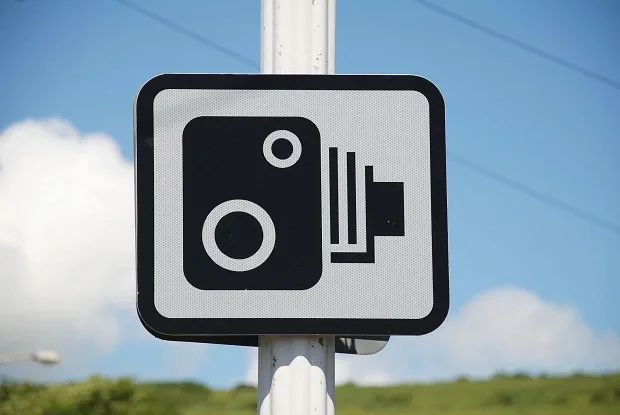
Safir Consulting Group: Подтвердить, что собственник не находился за рулем, можно, например, с помощью доверенности на управление автомобилем, выданной другому лицу. В иных ситуациях доказательствами могут служить справка с места работы о нахождении на рабочем месте, справка из медучреждения о прохождении стационарного лечения или консультации врача, отметки в загранпаспорте о пересечении границы и тому подобное.
Выводы
На данный момент все принятые законы можно назвать «сырыми». Они явно требуют доработки. Только после внесения изменений станет ясно, как на законных основаниях можно подтвердить, что вы не были частью колонны или находились дома, когда ваш автомобиль якобы зафиксировали за нарушением ПДД.