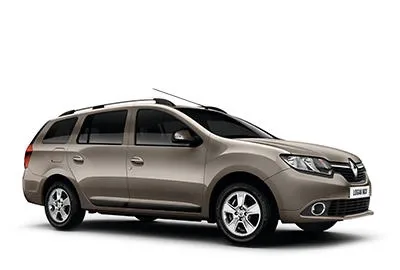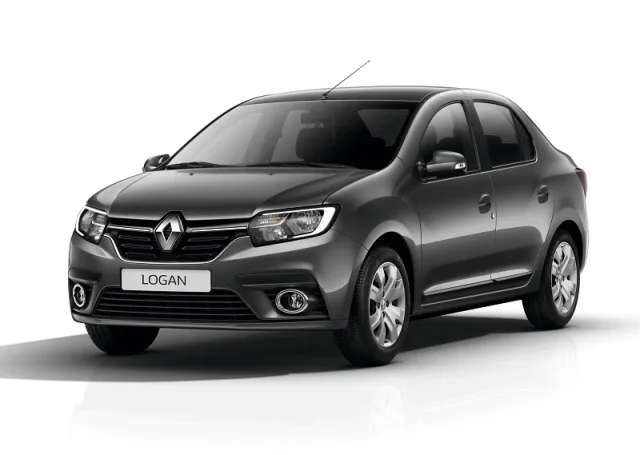
Renault Logan: prices and specifications
6 generations Country of origin: France

Renault Logan: Model Overview
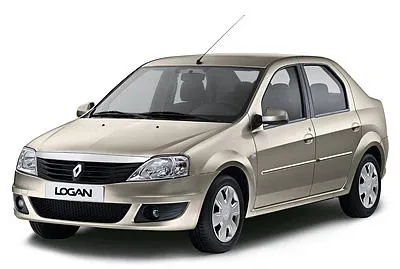
Renault Logan is an affordable B-class car created by the French manufacturer for emerging markets. It is based on the front-wheel drive B0 platform. The main plant is located in Romania, at Dacia facilities (this company has been part of the Renault Group since 1999).
Depending on the market, the car is sold under the Dacia, Renault, or Nissan brands. In Europe and Morocco, it is the Dacia Logan (assembled in Romania and Morocco). In Iran, the model is known as the Renault Tondar. In Mexico, it is called the Nissan Aprio, and in India, the Mahindra Verito. Under the Renault Logan brand, it is sold in Latin American countries, Russia, and since September 2009, in Ukraine.
Work on the model began in 1998. The internal project index is X90. The goal was to create a compact family car with a price starting at 5000 euros. Thanks to computer modeling, no pre-production prototypes (concept cars) were built.
The sedan (index L90) was shown to the public in 2004, and serial production began in Romania the same year.
The design was developed with operation in third-world countries in mind. Ground clearance is 155 mm (the European version is 20 mm lower). Brake lines are routed to minimize damage risk. The front suspension features spring struts with lower transverse arms, while the rear has a semi-independent torsion beam with high energy capacity. The 8-valve gasoline engines are designed for gasoline with an octane rating of 87 or higher.
After the 2007 facelift, special attention was paid to assembly quality, anti-corrosion treatment, welds, paintwork, and interior trim materials. The steering wheel received a more modern shape, and the instrument panel became a single unit. The number of joints was reduced, lowering the likelihood of squeaks. Plastic is manufactured using new technologies — it is durable, heat-resistant, and safe.
History
The Logan project started in 1998 as a budget car for developing countries with a target price of 5000 euros. Computer modeling eliminated the need for pre-production prototypes.
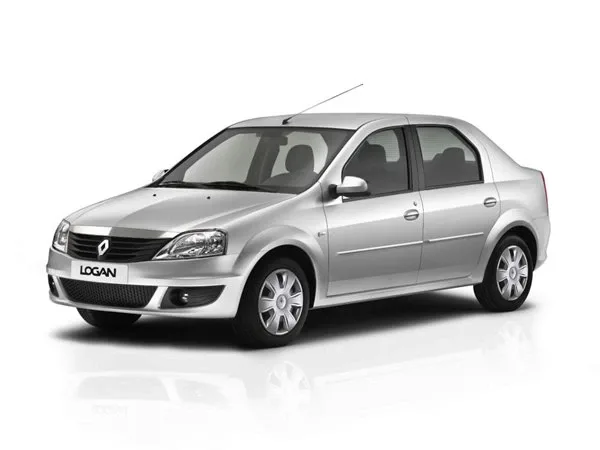
Development took six years, and in 2004 the car was presented to the public. In different countries, it was called Dacia Logan, Renault Tondar, Nissan Aprio, Renault Logan, and after launch in India, Mahindra Verito. In Russia, the Logan-based wagon became the Lada Largus.
Production was established in Romania, at the Russian plant Avtoframos (since 2005), in India at the Mahindra & Mahindra joint venture, and at the Renault plant in Nashik (since April 2007).
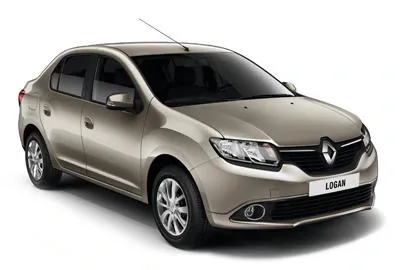
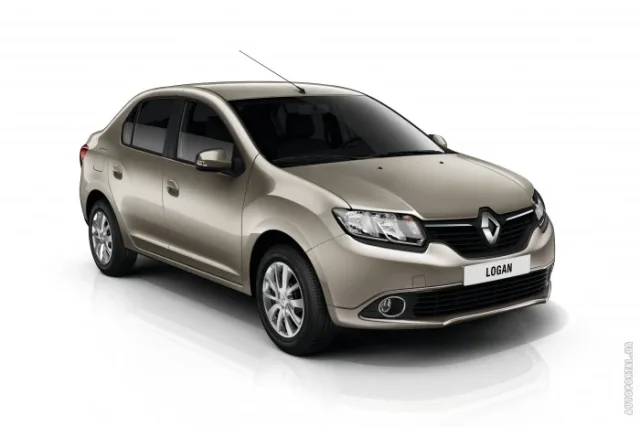
In autumn 2012, the second generation Logan and Sandero hatchback were presented at the Paris Motor Show, and in spring 2013, the wagon was shown in Geneva.
The first generation Logan was one of the most affordable cars of its time. Costs were reduced through computer modeling, unification with other models of the concern, time-tested engines, inexpensive interior plastic, and a high share of manual labor (in countries with cheap labor).
Since the Logan was created for third-world countries, its design accounts for operation on poor roads.
The choice of engines for the budget model was wide: four gasoline and two diesel engines.
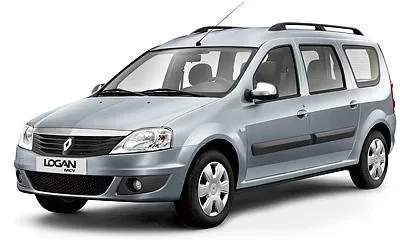
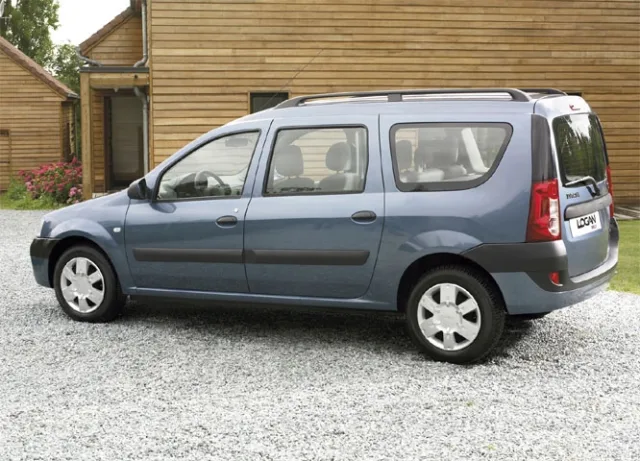
In 2006, the Logan MCV wagon appeared. It features a two-piece rear door and a five- or seven-seat interior. In the five-seat version, the trunk volume is 700 liters, and with the rear seats folded, over 2000 liters. A cargo van, the Logan Van, was also produced. Russian buyers know the MCV as the Lada Largus.
There was also a cargo version with an open body — the Logan Pick-Up (on some markets, the Nissan NP200).
In September 2012, the first photos of the second-generation Logan appeared, and by the end of the year, the cars went on sale. Like its predecessor, the new model is only available with a manual transmission. Three gasoline and two diesel engines are available. There is a version of the gasoline engine with factory-installed LPG equipment.
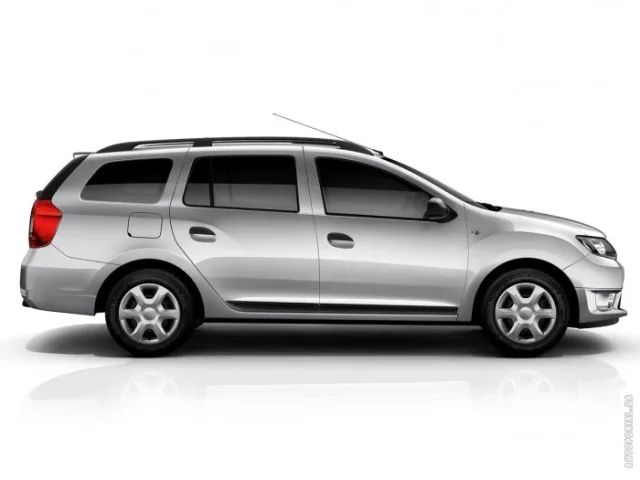
In autumn 2013, the second-generation Logan MCV was presented in Geneva. It became only five-seat — marketers believed a seven-seat version would create internal competition with the Lodgy minivan. Technically, the wagon is fully unified with the sedan.
Exterior
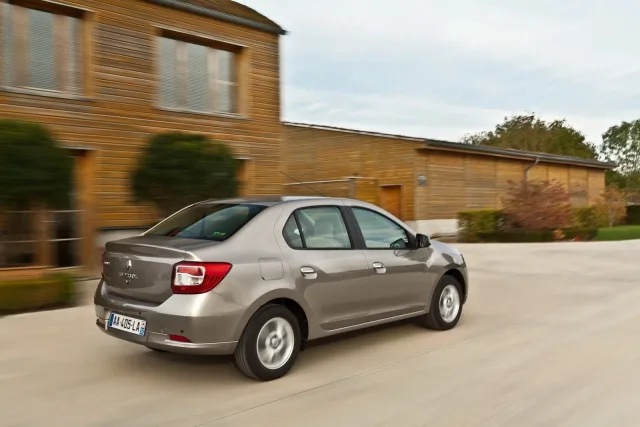
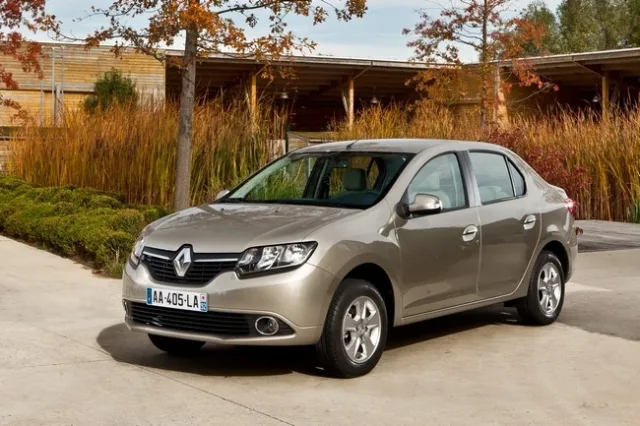
The latest generation Logan received smooth body lines and a more rounded shape. The front bumper gives the car an aggressive look and harmoniously combines with the grille.
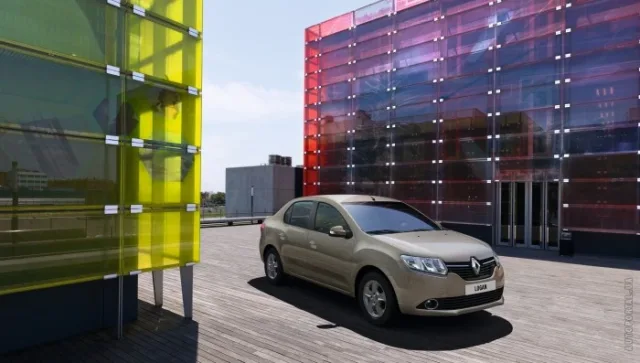
The main difference from its predecessor is the abandonment of visual budget appearance. Externally, the car does not look cheap. Chrome details, front and rear lights are executed at the level of European cars a class higher.
Interior
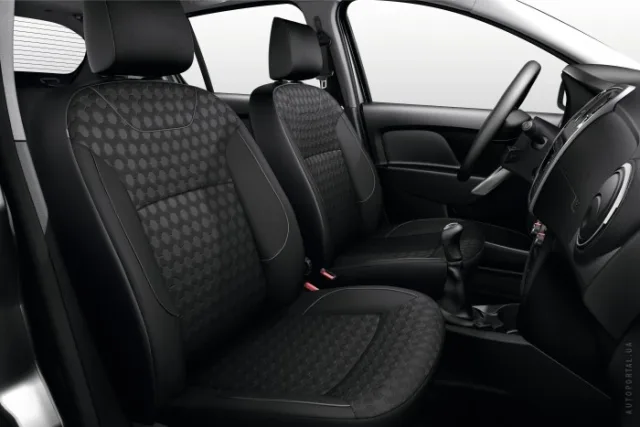
The interior has changed significantly in appearance compared to its predecessor, but the concept remains the same — modest and practical. Higher trims include cruise control and a multimedia navigation system. The plastic remains just as hard, but visually looks more solid.
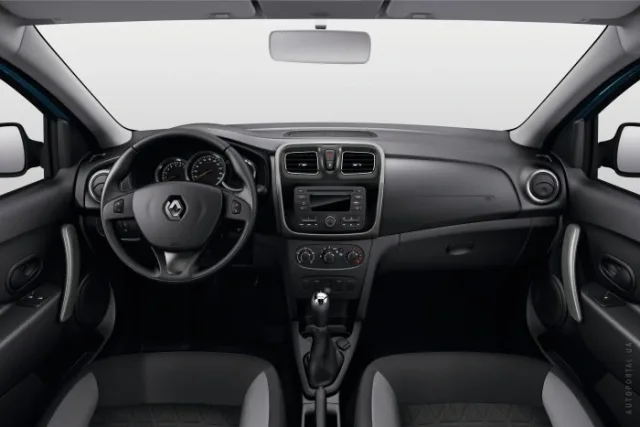
Inexpensive seat upholstery materials match the car's price. The interior of the new Logan does not evoke negative emotions; it is comfortable and convenient.
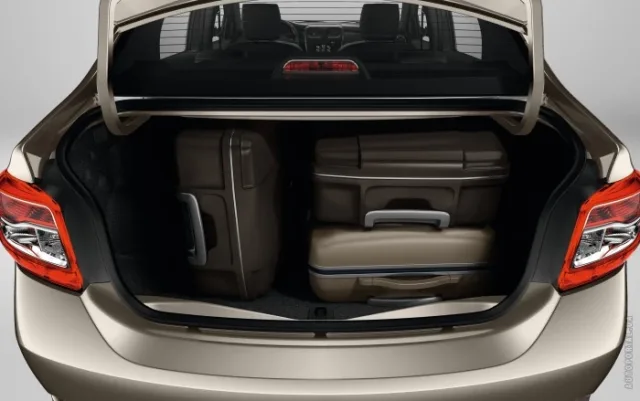
Interior space is among the best in its class. The trunk is impressive: 510 liters. The rear seatback folds down to increase volume.
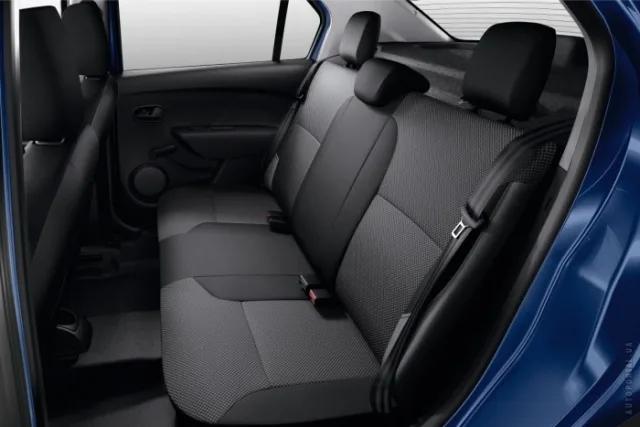
There are almost no complaints about ergonomics. Owners note that you need to get used to the horn button (located on the end of the steering column stalk) and multimedia controls (a separate block under the steering wheel). Drivers taller than 1.9 m sometimes complain about the short front seat cushion. Rear passengers have plenty of space, with enough legroom.
Engine and Transmission
The latest generation Logan on the Ukrainian market is offered with two gasoline engines — 1.2 L (73 hp) and 1.6 L (80 hp) — and a 1.5 L diesel (84 hp). All engines are paired with a five-speed manual transmission.
The 1.2 L gasoline engine is available with factory-installed LPG equipment (propane-butane).
Fuel consumption with the 1.2 L engine rarely exceeds 7.5–7.8 L/100 km (on gas, 5–10% more). With the 1.6 L engine, maximum consumption approaches 10 L/100 km. The 1.5 L diesel is more economical: even in city driving, consumption does not exceed 6 L/100 km. Additionally, the diesel engine is more dynamic and elastic.
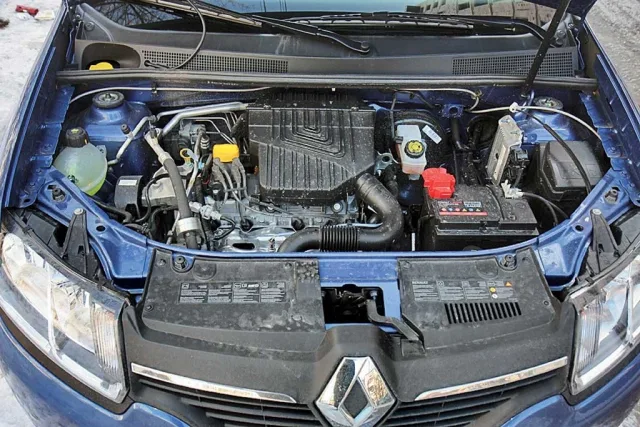
For highway overtaking, versions with the 1.6 L gasoline engine and 1.5 L diesel are best suited. They allow confident maneuvers. For economy, the 1.2 L engine with factory LPG is optimal.
Safety
The base version is equipped with two airbags, while higher trims add ABS.
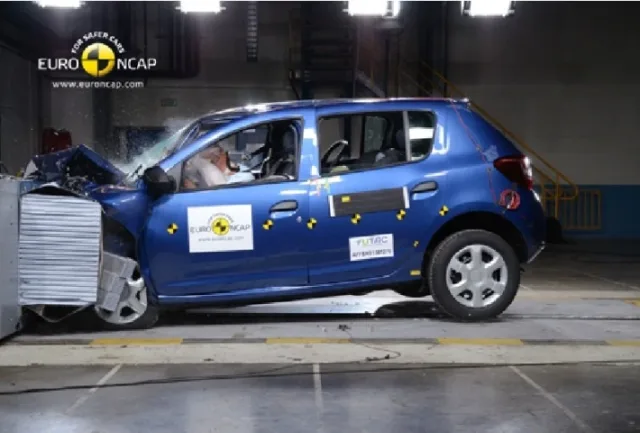
EuroNCAP did not crash-test the Logan but tested the similar front-end Renault Sandero. Result: 12.8 points out of 16 in frontal impact and 7.5 out of 8 in side impact.
Features
Handling is at a decent level. During sharp maneuvers, the Logan follows the steering wheel clearly, although body roll is excessive. Feedback allows the driver to feel wheel position and grip limits, but according to experts, it could be better.
Driving on poor roads is a strong point of the Logan. The energy-intensive suspension allows traversing bumps with almost no speed reduction. On rutted roads, the rear H-beam axle pulls the car into the ruts — a feature of many cars with this design.
Most owners note insufficient sound insulation. The engine is only audible at maximum revs; the main noise comes from the wheels. At high speeds, aerodynamic noise adds up.
Popularity in Ukraine
The Logan is one of the best-selling cars on the Ukrainian market, in the top 5.
Popularity is explained by the price and wide choice of engines, including the LPG version.
Our Verdict
A good choice for a buyer who wants an affordable but modern car. Different trims allow selecting an option for various budgets.
The Renault Logan remains one of the best offers in terms of price-quality ratio. A wide network of Renault dealerships and service stations in Ukraine simplifies maintenance.
Warranty — 3 years or 100,000 km. Under the "Warranty +" program, it can be extended to 5 years. The Renault Assistance technical support service operates 24/7 throughout Ukraine.