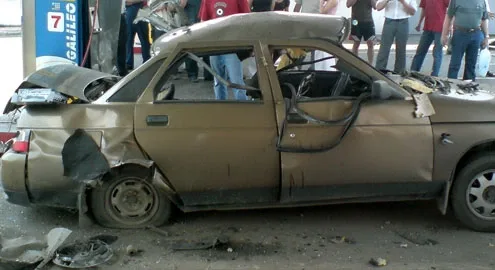
Installing gas cylinder equipment is a task that requires serious training of installers and strict adherence to the manufacturer's regulations and instructions for working with LPG. If these conditions are not met, the installer is unable to ensure the safety of the converted vehicle. In essence, a car with poorly installed equipment becomes a time bomb that can go off at any second.
Meanwhile, as it turned out, not all companies specializing in LPG installation are familiar with the standards of safe conversion and allow themselves to systematically ignore them, and they do so quite openly.
A telling case is the well-known in Ukrainian Crimea Simferopol company "Davai na Gaz", which has been installing gas equipment for several years now.
It is enough to look at its web resource to be convinced of the low level of qualification.
Especially eloquent is the statement: "we make your car the way you would like it, and not the way it should be." In other words, the company directly admits that its work does not comply with the established rules of conversion.
For those who did not immediately understand what lies behind "not the way it should be," there is an explanation: "We can install cylinders both on the roof and under the car." At the same time, it is not mentioned that the LPG operating instructions require protection of cylinders from mechanical damage (impacts from stones, gravel, friction against rigid elements) and chemical influences (salts, acids, alkalis, fertilizers), as well as from direct sunlight and precipitation. How will a cylinder placed a couple of centimeters from the asphalt or on the roof be protected from these factors?
In confirmation, we provide photos taken from the website of the company "Davai na Gaz":
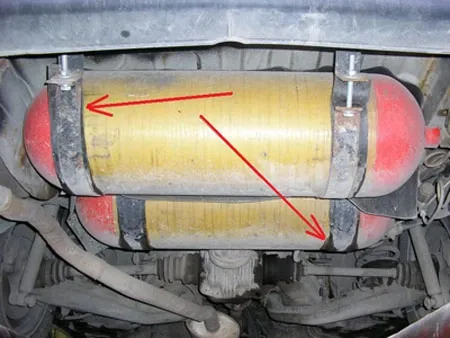
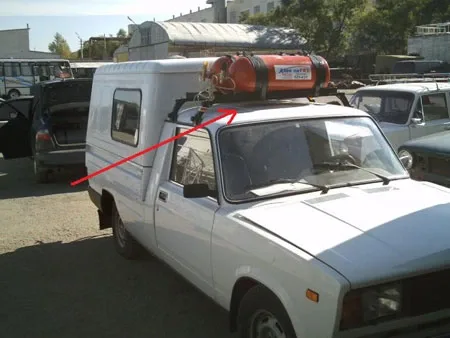
Particular attention is drawn to the photo of the "Best work," which shows several cylinders of unclear origin, devoid of any markings. This means that it is impossible to establish their certification in Ukraine, compliance with standards, or country of manufacture. The absence of identification marks is also noticeable in many other photos.
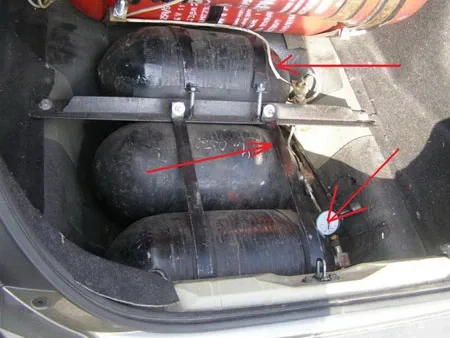
What we saw and read raises a serious question. How did this company manage to obtain permission from the Department of the State Automobile Inspectorate of Ukraine in Kyiv this year to conduct technical inspections of cars converted to compressed natural gas (methane)?
Most alarming is that there are dozens, if not hundreds, of such companies across Ukraine. "Davai na Gaz" simply served as a clear example.
Our reader's concerns are quite justified: in his city, even minibuses and taxis run on gas. In the event of an explosion of a bus or taxi, not only passengers but also random passersby nearby would suffer.
What unprofessional LPG installation can lead to is visible in these photos (they have nothing to do with the company "Davai na Gaz"):
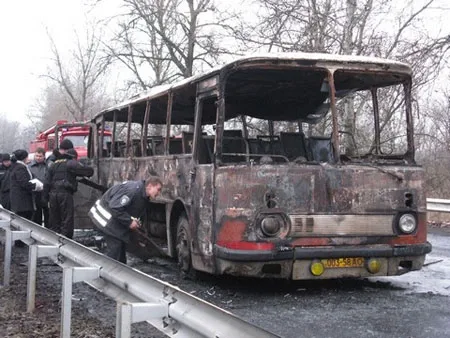
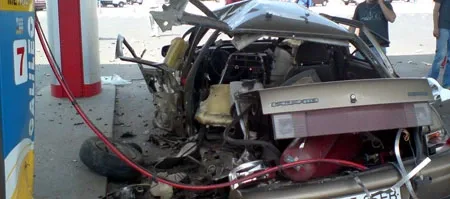
In addition, it is worth noting: drivers across Ukraine who operate cars with LPG installed with serious violations themselves ignore the requirements for using vehicles, putting both their own lives and the lives of others at risk.
AutoPortal, for its part, has sent a request to the Department of the State Automobile Inspectorate of the Ministry of Internal Affairs of Ukraine asking for an official comment on this issue. However, the traffic police could not (or did not want to) clarify how the company "Davai na Gaz" obtained permission for its activities. We intend to obtain an official response from the Department of the State Automobile Inspectorate, and it will be promptly added to this material.
Addition. The editorial office received a call from a representative of the company "Davai na Gaz" with threats, complaints, and accusations of the "commissioned" nature of the material. In response, we can state: AutoPortal has never published and will not publish commissioned articles. This news was created with the sole purpose of informing readers about possible risks. We plan to carry the investigation to the end by sending appeals to various state authorities.