
During the Transport Week in Odesa, the Ministry of Infrastructure announced new initiatives aimed at stimulating the development of the electric vehicle market and improving the environmental situation in the country. As Autoconsalting writes, these initiatives include:
- adoption of a law defining electric vehicle terms;
- obligations for localities to purchase exclusively municipal electric transport (mainly of Ukrainian production);
- a ban on the import of vehicles equipped with internal combustion engines;
- tax benefits for the production and purchase of electric vehicles in Ukraine.
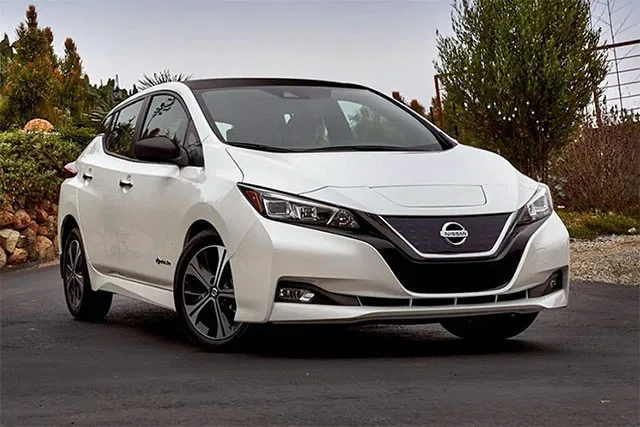
And what was generally known before about the ban on cars with internal combustion engines?
This topic was first raised in March 2021. Then the Ministry of Infrastructure and its Directorate of Digital Infrastructure in Transport stated that Ukraine should follow the example of Norway, Denmark, Great Britain, Singapore, and many other countries that plan to stop sales of fuel cars in 2025-2040. Moreover, preliminary dates (for Ukraine) were even announced. And they look like this:
- introduction of a ban on the import of used diesel cars – January 1, 2028;
- introduction of a ban on the import of new diesel cars and used petrol cars – January 1, 2033;
- introduction of a ban on the import of new petrol cars – January 1, 2038.
That is, as you can see, Ukraine is already making developments in the field of banning petrol and diesel cars with their subsequent replacement by electric vehicles. True, there is one “but”: this plan looks vague and, frankly, from the realm of fantasy. Especially regarding the part of Ukrainian production of electric vehicles. And electric vehicles in Ukraine are so far interesting only to enthusiasts – currently there are less than 30 thousand such cars in the country. For most Ukrainians, “electric trains” are still expensive and inconvenient, but the authorities promise to “prepare” people – in addition to the aforementioned stimulation of the development of electric vehicle production in Ukraine and providing benefits for their purchase, the government also plans to develop charging infrastructure, which should contribute to the growth of the number of electric vehicles in the regions and make trips on such transport between cities more accessible. So, how it will be in practice, time will tell.