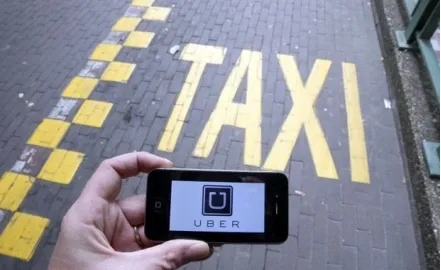
In short, a passenger simply needs to set the desired route, after which they can track in real time the movement of the car that has been sent for them. The request goes to the driver who is closest to the pickup point. The driver has only 10–12 seconds to accept the order, otherwise the request is passed to another driver.
Uber prices are calculated as follows: a fixed amount for pickup plus a fee for each kilometer and each minute of the trip. Specific rates have not yet been announced. When calling, there is no need to provide the pickup address — the GPS module itself transmits the client's coordinates to the taxi driver, and the passenger, in turn, sees on the map how the car is approaching them.
One of the main features is the rating system. Both drivers and passengers are assigned a rating, and those with a low rating get blocked. This acts as a kind of "natural selection" that filters out inappropriate participants on both sides.
Among the disadvantages for customers is the charge for time spent in traffic jams on the way to the destination. In such a situation, the coefficient increases, and the bill for the passenger grows. But you can be sure: a technically sound and comfortable car will arrive for the order, and a polite driver will be behind the wheel.