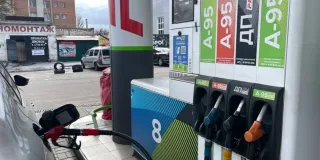
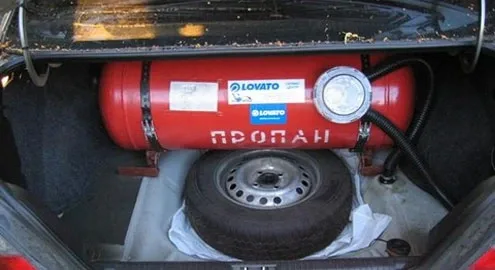
In just three days, the price of liquefied gas at Ukrainian gas stations rose by 12–14%, which on average amounted to an increase of 50 kopecks. However, the price hike did not stop there — prices continued to rise.
Usually, gas became more expensive in unison with gasoline, but this season was an exception. Traditionally, a liter of gas at retail cost about 45–50% of the price of a liter of A-95. At the same time, the price of propane is tied to gasoline mainly due to marketing factors. After all, a significant share (at least 80%) of propane sold in the country is produced domestically, and its price is not related to fuel excise taxes or oil duties.
In October, the market balance was disrupted. As Artem Kuyun, who holds the position of deputy director of the Consulting Group A-95, explained, the price increase was caused by a shortage of gas on the free market. The reason for this is that about half of all liquefied gas in Ukraine is concentrated with one market player. Domestic operators have to cover the resulting fuel shortage with purchases abroad, where gas prices have also gone up. This is what triggered the sharp price jump.
Approximately one-fifth of the propane-butane mixture (also known as LPG — liquefied petroleum gas) consumed by the domestic market is now imported from abroad. Moreover, just a year ago, Ukraine had enough propane-butane produced at its own enterprises.
Furthermore, in 2008–2009, part of the LPG was even exported abroad. The Ukrainian market as a whole was self-sufficient, and import-export transactions with gas were sporadic and explained mainly by seasonal factors (for example, before the heating season in western neighbors) or logistical reasons in different regions of the country. However, this time, according to experts, the price increase was created artificially.