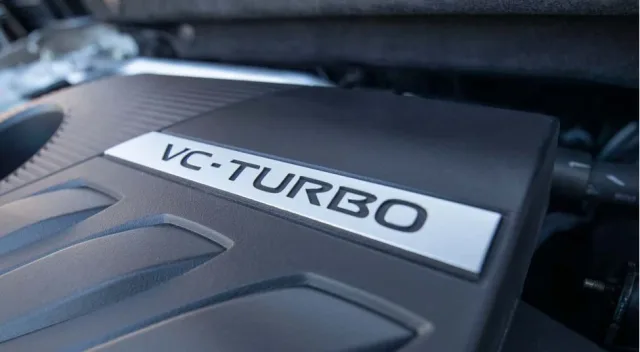
The technology of variable compression ratio, which Nissan and Infiniti were among the first to use in their production engines, was once called a breakthrough that was supposed to improve power and fuel efficiency. However, today it has turned into a headache for car owners: they complain that the engines run unevenly at idle, stall, produce uncharacteristic noises, and sometimes even lose power while driving.
One of the plaintiffs is Dennis Becker from Florida, who bought a new 2023 Nissan Rogue. When the mileage was only 252 miles, the "Check Engine" indicator lit up on the dashboard, and the car would not start. At the dealership, they replaced the battery and reflashed the engine control unit, but within a month the problem reappeared. Other affected owners say that Nissan did not acknowledge the defect and forced drivers to pay for diagnostics and repairs out of their own pockets.
The lawsuit covers the 2021–2023 Nissan Rogue, 2019–2023 Nissan Altima, and 2019–2023 Infiniti QX50. Some of these models are also found on Ukrainian roads, as they are imported from the USA as passenger cars. Owners complain not only about the engines themselves: they consider the previous recall of turbocharged variable-compression engines insufficient, as the repair was mostly limited to a few oil changes and did not solve the main problem.
Thus, this lawsuit exposes the confrontation between the automaker and the owners of its innovative turbo engines, making one doubt the reliability and true efficiency of the VC-Turbo system in current Nissan and Infiniti models, which are also represented in Ukraine.