
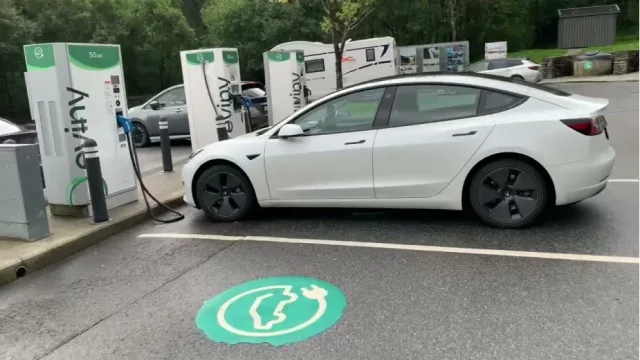
According to Bloomberg, Norwegian gas stations are undergoing significant transformations. For example, at one of the Uno-X network stations in the suburbs of Oslo, equipment for charging electric vehicles has already been installed instead of a traditional gasoline pump. Similar processes have been launched in large networks such as Circle K and St1. Operators are seeking to adapt their stations to new realities, as the number of electric cars in the country is constantly increasing. Today, almost every second car on Norwegian roads is an electric vehicle.
Oil and gas corporations are forced to adjust their strategies due to falling demand for classic fuel. Over the past ten years, gasoline sales volumes in Norway have fallen threefold, and diesel fuel lost 6% of the market in 2023 alone. More than a tenth of all gas stations in the country are already equipped with charging devices located next to conventional fuel pumps, and this trend is only intensifying. Circle K plans to convert another 10–15 facilities over the next year, replacing fuel pumps with charging stations. St1, in turn, continues to expand its own charging network, opening new points under its brand.
Similar changes are observed not only in Norway. The pan-European course towards electrification is forcing large oil and gas companies to rethink their business approaches. For example, British Shell is already reducing the number of its refineries and intends to sell 1,000 of its retail outlets in 2024–2025 to focus on low-carbon projects. By 2030, the corporation aims to bring the number of its own charging stations worldwide to 200,000, with a special emphasis on the European and Chinese markets.
Ukraine is also gradually advancing along the path of transport electrification. Although we are still far from Norway's level, the trend towards electric vehicles is becoming increasingly noticeable. The number of charging stations in our country is steadily growing, and electric car sales figures are updating historical highs.