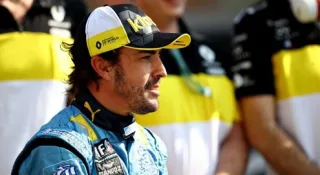
The new rule applies to all world championships held under the auspices of the FIA, but first of all it will affect Formula 1. The essence of the innovation is that all participants will be required to comply with a special "Code of Honor" prepared by the International Automobile Federation.
As reported in the FIA press service, starting from 2011, the heads of each racing team will be required to obtain a special permit, which will be issued only after signing the mentioned document. The list of requirements of the "Code of Honor" includes items about the need to respect and support the values promoted by the federation, as well as a direct ban on any actions that could harm the interests of the FIA or defame its leadership.
To gain access to Grand Prix stages, drivers must have a so-called "super license" that confirms their qualification and skills in driving a car. A similar procedure for team bosses and key technical specialists should simplify the FIA's process of controlling all participants in the championship. Thanks to the new forms and the "Code of Honor", the federation will be able to punish violators even if they work for hire in structures not affiliated with the FIA.
The reason for introducing personnel licensing was the incident with a deliberate accident provoked by Nelson Piquet Jr. at the 2008 Singapore stage - then the driver caused a crash on the orders from the pits. The FIA found Renault team principal Flavio Briatore and leading engineer Pat Symonds guilty in this story, but due to gaps in the regulations, it had no legal grounds to apply punishment to them. The attempt to suspend both from racing was challenged in court, which ultimately recognized such disqualification as unlawful.
It is indicative that the "Code of Honor" applies not only to the behavior of team employees, but also to their public statements and even correspondence. In other words, the federation will have a reason to revoke a license outside the race weekend, based on interviews of the leaders. For example, recent statements by Bernie Ecclestone, who criticized the FIA's work and called it a "joke", could become a formal violation of the new code.
FIA introduced a "Code of Honor" for top managers of racing teams

Source: auto.lenta.ru
Advertising
Anna Tkach
AutoPortal editorial team
Car reviewer and copywriter with 10 years of experience in media. Worked with the Layboard and INKORR newsrooms. Specialises in car news, new-model reviews, vehicle comparisons and global market trends.
11,898articles by this author


Comments
No comments yet. Say the first word.