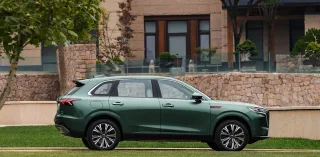
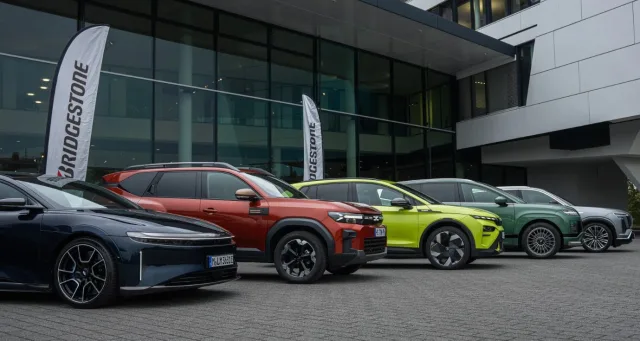
The final stage of the competition included cars from a wide variety of segments, from affordable SUVs to the most expensive sedans. Among budget models, the jury preferred the Dacia Bigster, a spacious crossover that offers practicality at a price not exceeding 25 thousand euros. In the group of small electric vehicles, the leader was the Skoda Elroq, a compact SUV that aims to become a popular family vehicle in Europe.
In the premium niche with a price range from 40 to 70 thousand euros, the flagship Hyundai Ioniq 9 won — a large electric crossover distinguished by a significant driving range and a business-class interior. In the luxury car category, with prices starting from 70 thousand euros, experts chose the Cadillac Vistiq, a new American electric SUV with a striking design and serious technical characteristics. The list of winners is completed by the sports class, where the Lucid Air Sapphire triumphed — an electric sedan with supercar performance.
It is noteworthy that this year's shortlist does not include a single model from Germany — an indicator that priorities in the automotive industry have changed significantly. Experts are increasingly paying attention to innovation, modern technologies, and the adequacy of price to stated capabilities, rather than just the brand's origin.
The name of the holder of the German Car of the Year title will become known on November 17, after a cycle of tests. This competition has been held since 2017, and the winner is determined by forty renowned automotive journalists. Last year, the main award went to the BMW 5 Series, but now even the most devoted fans of the Bavarian brand will remain in suspense until the very announcement of the results.