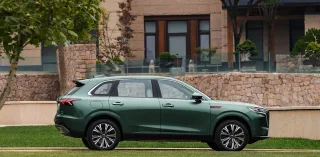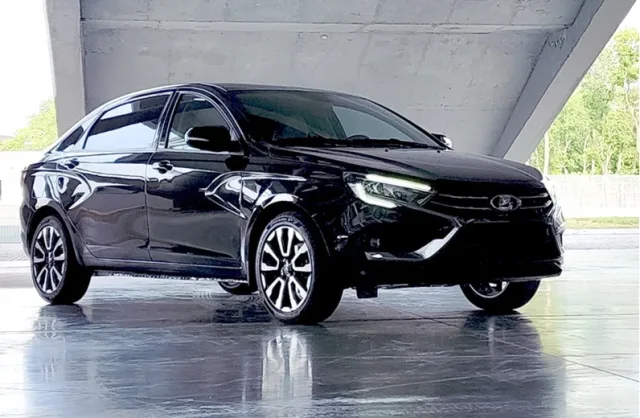
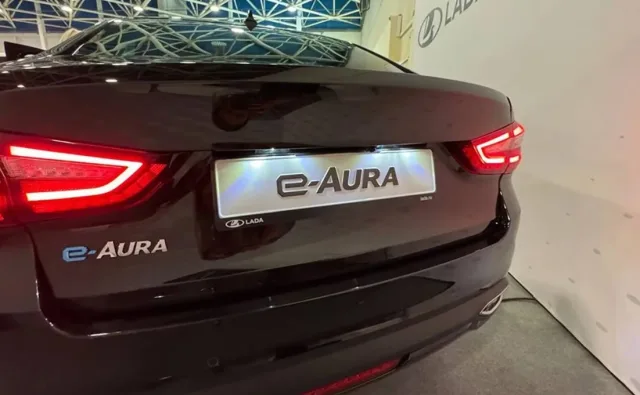
The new product is equipped with an electric motor producing 163 horsepower, a 56 kWh battery, and can travel up to 350 kilometers on a single charge. It accelerates from 0 to 100 km/h in 8 seconds, with a top speed of 150 km/h. For this equipment, they ask a lot — from 2.6 to 2.8 million rubles, which is approximately 28–30 thousand dollars.
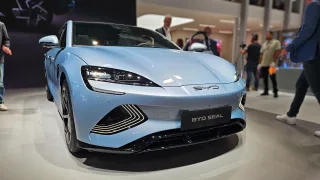
However, in practice, everything looks much less rosy. For the same money, and sometimes even less, Chinese automakers offer electric models with far better specifications. Take, for example, the BYD Dolphin or Ora Good Cat: they have a range of 400–500 km, more powerful engines, more modern design, advanced safety systems, and the latest multimedia complexes. And they start at around 20 thousand dollars, not the fantastic 30 thousand, as in the case of the Russian "luxury".
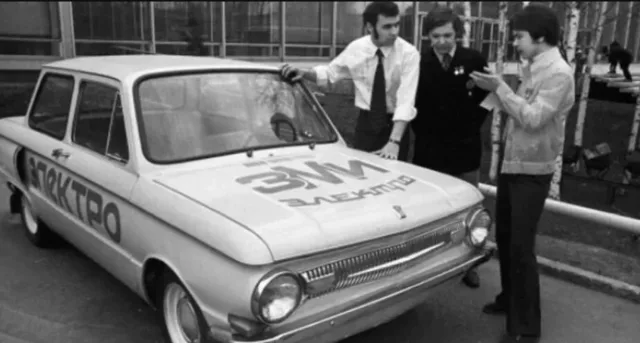
Not everyone remembers, but half a century ago, when Elon Musk was just taking his first steps, Ukraine was already working on electric cars. In 1973, in Dnipro, an electric version of the ZAZ-968 was created, which accelerated to 60 km/h in the same 8 seconds. That's right: back then, we were already experimenting with battery-powered cars, although lithium-ion batteries did not exist at the time. If we compare these facts, the conclusion suggests itself: true development is not repainting the old in a glossy color, but creating something fundamentally new.
While the Russian auto industry is only trying its hand at electric themes and offering outdated designs at the prices of modern flagships, Chinese manufacturers are confidently setting the tone on the world stage, leaving behind many who want to be called "premium".