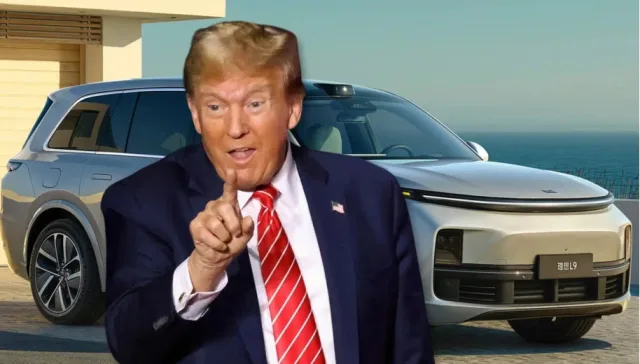
The new tariffs apply not only to finished cars but also to all components imported into the United States. The White House chief justified this decision by seeking to eliminate a "threatening imbalance" in international trade, which, in his opinion, jeopardizes the national security of the state.
The American leader emphasized that local industry must recover after a long period of trade policy unfavorable to it, pursued by his predecessors. By introducing such duties, the States hope to give a boost to their own production and reduce dependence on foreign supplies.
The new measure affects virtually all key players in the global car market — from European and Japanese concerns to manufacturers from South Korea and China. Ukrainian suppliers also found themselves on this list. Despite the fact that our country is not a significant exporter of cars to the USA, for some domestic firms this could become another obstacle on the way to the American market.
For the global automotive industry, these changes could have serious consequences. In particular, imported cars in the USA will become more expensive, and manufacturers themselves will likely think about relocating production facilities to the States or neighboring countries to reduce the amount of customs payments. For Ukraine, this means that certain components going to the USA may become more expensive — and it is from there that the so-called "salvage cars" have been brought for many years.
Thus, this step by Trump becomes a notable milestone in global economic policy and will have an impact on many countries, including Ukraine.