
To improve these indicators, it is important to choose the right tires for your car. They are divided according to several criteria that must be considered when purchasing.
Types of tires by seasonality
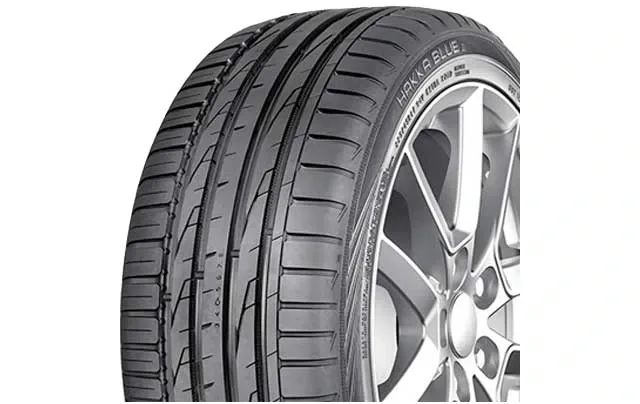
By season of use, tires are divided into:
● summer;
● winter;
● all-season.
Summer tires are designed for use at positive temperatures. They are wear-resistant and durable; at high temperatures, the rubber hardens, so it wears less. Among summer tires, you can find highway, mud, and universal ones. They differ in tread pattern and are designed for different types of roads. Highway tires are suitable for city driving; they are quiet and provide good grip on asphalt.
Mud tires are designed to channel away moisture and mud, providing grip on uneven rocky ground and grass. Universal tires can be used both in the city and off-road, but they are inferior to specialized tires in all respects.
Types of winter tires
Winter tires are designed for use at temperatures below −5 degrees. They are divided into several types:
● European;
● Scandinavian;
● studded.
European tires are designed for light loads and milder winters when roads are free of ice and snow. They are especially effective in rain and wet snow. Scandinavian tires are intended for driving on snowy roads, for harsh winter conditions. The tread depth in such models reaches 10 mm. For driving in icy conditions, studded tires are needed. On asphalt, they will be too noisy, but when driving on ice, they provide excellent grip on icy roads. In severe and snowy winters, you cannot do without them.
You can also use all-season tires, which are effective at temperatures ranging from −5 to +5 degrees. They combine the properties of winter and summer tires, but such rubber cannot withstand real frost or heat. You cannot expect ideal grip and quality from all-season tires, so they are more often used for budget cars.
If you use tires in conditions for which they are not intended, the tires wear out much faster and become unusable. In addition, they cannot provide proper comfort on the road.