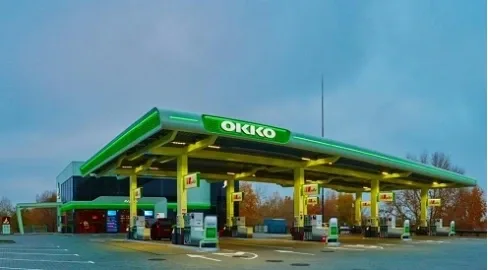
As part of this initiative, Ukrtelecom built 250 kilometers of new fiber-optic backbone lines, providing access to them for almost two hundred OKKO gas stations.
The work was completed in exceptionally tight deadlines. The agreement between the OKKO network and the operator was signed in November 2015, and by August of the following year all terms of the contract were fully implemented. Among all communication technologies available at that time, fiber-optic lines stand out for their highest reliability and resistance to external influences, making them a solid foundation for introducing new and improving existing services at OKKO gas stations.

“Our company operates gas stations across the country, and for us stable communication is a key condition for effective and high-quality centralized management. Thanks to the new fiber-optic lines, we can guarantee uninterrupted and instant operation of key services—from WiFi connectivity to interaction with banking processing systems, loyalty programs, and fuel dispensing processes,” comments OKKO IT Director Oleksandr Lyashenko. “In the context of active digitalization, cooperation with Ukrtelecom has given us a reliable tool that increases customer comfort and strengthens our competitive position.”
The largest number of gas stations connected to optical internet is in Lviv, Ivano-Frankivsk, Kyiv, and Kharkiv regions. The most remote connection points were located in Vyshhorod district of Kyiv region and Zolotonosha district of Cherkasy region. For each such remote facility, Ukrtelecom specialists laid more than three kilometers of optical cable.

“Ukrtelecom fulfilled all technical conditions stipulated by the project. In addition to the main contract, we signed an SLA agreement and took on strict obligations comparable to the standards of leading global telecommunications companies,” notes Mykola Davydenko, Director of Corporate Segment Development at Ukrtelecom. “Today, the internet speed at gas stations connected to our network ranges from 10 to 100 Mbit/s, with the prospect of further increases.”