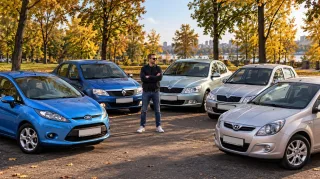
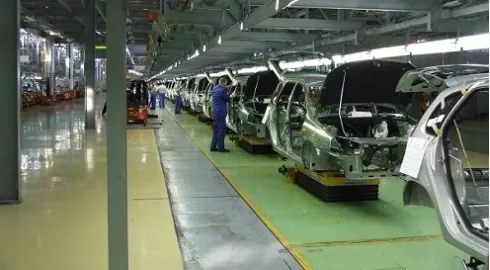
The reason for the crisis is said to be the fall of the ruble exchange rate, as a result of which car plants have to raise wholesale prices for their products. This situation scares potential buyers, who increasingly prefer to postpone the purchase of a new car until the situation stabilizes.
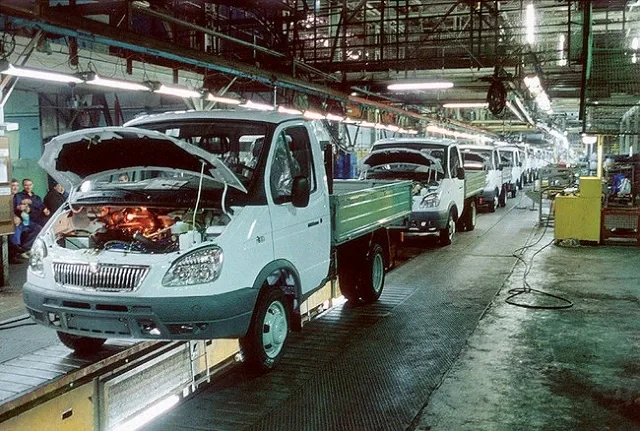
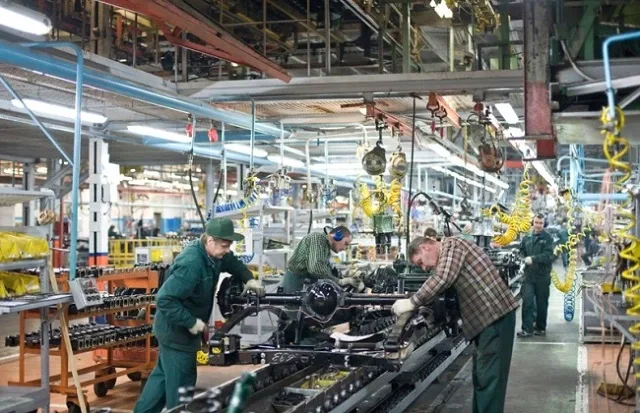
Today, AvtoVAZ is forced to raise prices, but the drop in demand is also sensitive for this giant. GAZ is switching to a 4-day working week, the Ford Sollers plant is preparing to send workers on unpaid leave for two months, and UAZ plans to stop the conveyor for three weeks.
On the other hand, the main Russian investor – Germany, is ready to incur certain losses, but support the call of its leader Angela Merkel to adhere to a tough line in relations with Russia.
German enterprises developing their business in the east are ready to support the introduction of economic sanctions in practice. For Germans, these are not empty words, and probably in Germany about 300 thousand jobs may suffer.
In Russia, the following have been built and are successfully operating: the VW plant in Kaluga, contract assembly of Skoda in Nizhny Novgorod is underway, Mercedes-Benz has created a joint venture with KAMAZ, BMW assembles its cars in Kaliningrad, Bosch, Continental, ZF and others have invested money in the production of Russian components.
It is no secret that Russia is a capacious sales market for Mercedes-Benz, Audi, BMW, Porsche. These companies have also invested considerable money in creating the appropriate infrastructure on the territory of the northeastern neighbor. Nevertheless, everyone understands the seriousness of the situation in the south of Ukraine, which should not become a catalyst for much more serious consequences.