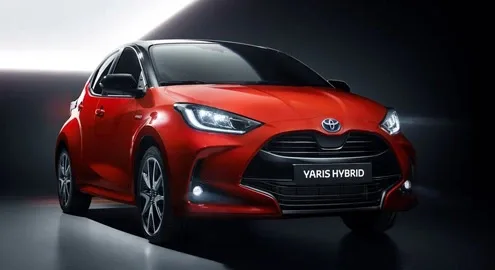
Toyota Yaris became the first model based on a new modification of the global modular platform TNGA (Toyota New Global Architecture) — GA-B. This chassis variant was specially developed for a new generation of compact cars no more than four meters long.
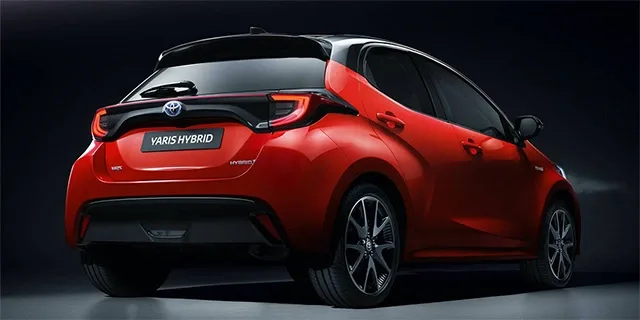
The overall length of the new Yaris is 3940 mm, which is 5 mm shorter than the previous generation model. At the same time, the wheelbase has increased by 50 mm, providing additional interior space. The car has become 50 kilograms lighter than its predecessor.
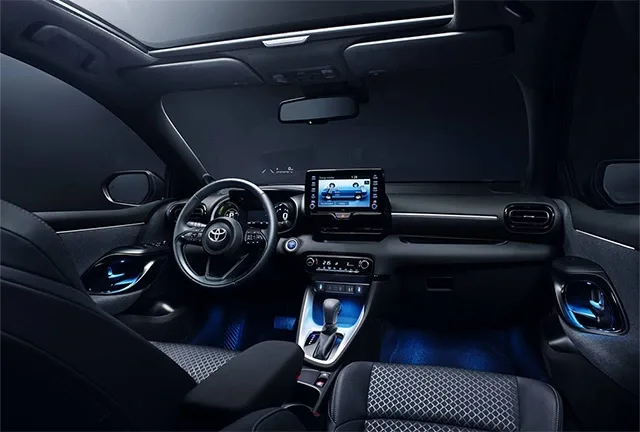
Toyota engineers and designers completely rethought the interior, using the principle of "hands on the wheel, eyes on the road." At eye level are digital instruments in the form of a "binocular," and the driver's position is now lower.
The eight-inch touchscreen display of the multimedia system, which supports Apple CarPlay and Android Auto interfaces, is also turned towards the driver and enclosed in a separate block. A 10-inch head-up display is available as an option.
Toyota Yaris received a new generation hybrid powertrain, which in its scheme is similar to the systems used on the new Corolla, Camry, and RAV4. A three-cylinder 1.5-liter gasoline engine works in tandem with an 80-horsepower electric motor, which in turn is recharged from a set of lithium-ion batteries. The transmission is a CVT. The total output of the units has not yet been announced, but it is expected that the setup will produce about 115 horsepower.
In addition, the new Toyota Yaris will be available with a traditional 1.5-liter gasoline engine paired with a continuously variable transmission or a six-speed manual. Later, the model will get the most affordable modification with a three-cylinder engine with a displacement of one liter and a five-speed manual gearbox.
Toyota will start accepting orders in Europe for the new Yaris in the summer of 2020, with deliveries starting closer to autumn. The company expects that up to 80% of sales will be hybrids.