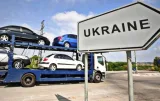
The changes came in response to complaints from domestic manufacturers who insisted on strengthening oversight of so-called "pseudo-localized" goods. This refers to situations where almost finished products are imported into the country, slightly refined locally, and then presented as genuinely Ukrainian.
"We are clarifying the mechanism for entering goods into the register with a confirmed degree of localization so that state tenders do not become a way to support imports under the guise of local production. This is a matter of protecting the interests of Ukrainian enterprises," explained Andriy Telyupa, Deputy Minister of Economy, Environment, and Agriculture of Ukraine.
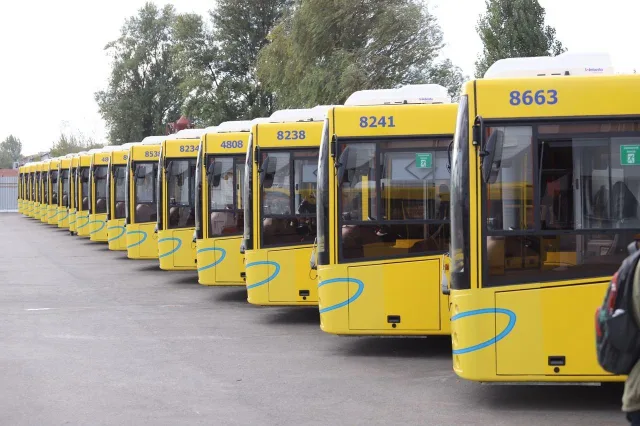
The automotive sector is one of the areas where localization plays a key role. The government additionally allocated UAH 500 million for school buses for territorial communities and expanded the program of 15% compensation for domestically produced equipment to include utility companies. Thus, every new bus for schools or special vehicle purchased through the Prozorro system must have a significant share of Ukrainian components — body manufacturing, chassis, electrical systems, assembly, or painting must be performed within the country.
To be included in the list with a confirmed degree of localization in 2025 (which is a minimum of 25%), manufacturers need to provide a copy of the tax appendix 4DF for the previous year, a certificate of technological processes at the enterprise, a test report of a sample from an accredited laboratory, and documents confirming the availability of production facilities, equipment, and employees.
Additionally, the Ministry of Economy, Environment, and Agriculture is authorized to verify the accuracy of submitted information, examine manufacturers' documentation, conduct automated checks via the web portal, and inform the electronic procurement commission about detected violations.
The localization law has been in effect for over two years and has significantly boosted national production of buses, trucks, and special equipment. Ukrainian factories are more actively cooperating with local suppliers — from body parts to electronic systems. Starting in 2025, requirements increase: 25% Ukrainian component, in 2026 — 30%, and gradually up to 40%. This approach stimulates the launch of new production lines, job creation, and investment attraction in the national automotive industry.
The localization policy is part of the state initiative "Made in Ukraine," initiated by the President. Its goal is to redirect budget funds to support domestic manufacturers, reduce dependence on imports, and promote non-raw material exports. For the automotive industry, this is an opportunity not only to preserve but also to increase the potential of Ukrainian enterprises — from buses and trucks to electric transport. In the long run, this creates conditions where Ukrainian cars will compete in European markets not only by price but also by quality.