Of course, the specialized publication did not make these calculations just for fun. In this way, Carfax warns that a large number of flooded cars may end up in dealerships. At the same time, the buyer is unlikely to be informed that the car suffered from flooding, and the damage itself may be carefully hidden. The note from foreign colleagues states that many flooded cars often look normal at first glance, but during operation, problems will inevitably begin to appear. A few days, months, or even years later.
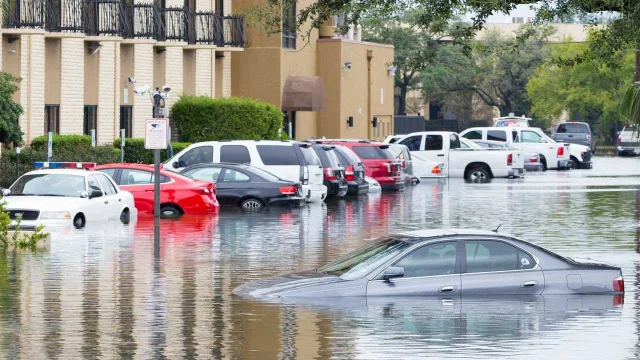
“Our data shows that buyers risk being left with a car that was previously flooded... The danger is that these cars may look good and run smoothly for a while, but sooner or later big problems can arise. Flooded cars literally rot from the inside, and it is often difficult for non-specialists to detect something wrong,” commented Chris Basso, a representative of Carfax.
Therefore, Carfax advises customers to be attentive and careful during the inspection and selection of a car. It is necessary to look for signs of flood damage, such as a stale smell, condensation on the dashboard, wet mats or upholstery, rust on metal elements, as well as traces of dirt or sand under the seat or in the glove box (more details on how to identify a flooded car can be read in this note).
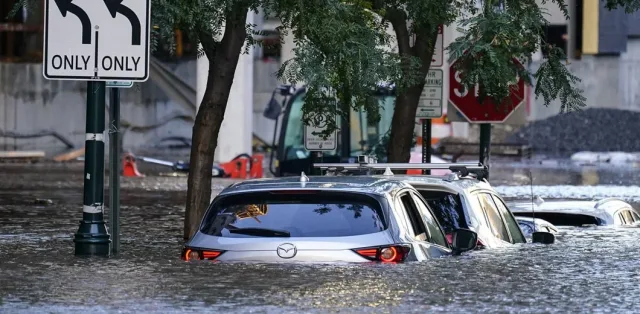
It should be noted that Hurricane Ida is considered one of the most destructive disasters in US history (in some places wind speeds reached 240 km/h). It brought heavy rains and floods to major cities in the states of New Jersey, Pennsylvania, and New York. Almost 50 people died, thousands of people were left homeless, and numerous infrastructure facilities were also damaged.