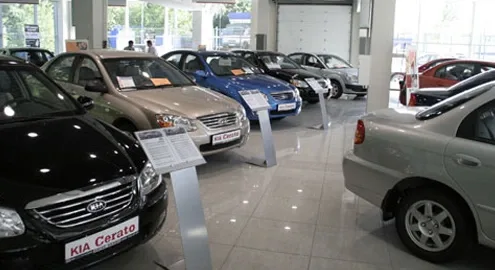
In the first days of October, Kia Motors Ukraine was the first to announce its intention to revise the prices of its products. In some cases, owners of Korean cars could expect a price reduction of 10 thousand hryvnias. The representative office explained this step as an effort to align with global processes, where a noticeable decrease in car prices was recorded.
Almost at the same time, Ford announced a price revision, offering customers discounts of up to 25 thousand hryvnias.
The greatest difficulties arose for dealers selling premium segment cars. Demand for expensive cars fell significantly due to the growing interest in inexpensive and used cars, caused by the limited financial capabilities of customers. In response to the sharp drop in demand, Porsche introduced a nine percent discount on its entire current lineup. Given the cost of such cars, the benefit turned out to be very significant: for example, the Porsche Cayenne Turbo became cheaper by 11 thousand euros.
Most Japanese brands also decided not to keep prices unchanged: Suzuki, Mitsubishi, Subaru, and Toyota almost simultaneously reduced the prices of their models.
Renault Ukraine also did not stand aside, adjusting prices for its entire model range from October 7 due to fluctuations in the dollar exchange rate. The change was not as large-scale as Porsche's, but buyers of the Renault Symbol could save 500 dollars.
Sellers of Chinese cars, which are already considered very affordable, also joined the price reduction campaign. The Chery Elara sedan lost more than 8.2 thousand hryvnias in price, and Landwind SUVs became cheaper by up to 5 thousand hryvnias.
Experts, in turn, expect prices to continue falling. The reason is the tightening of lending by Ukrainian banks — loans were the main tool for buying new cars. In addition, in autumn, manufacturers traditionally strive to sell off cars of the current model year, making way for new models, which can also affect the final price.