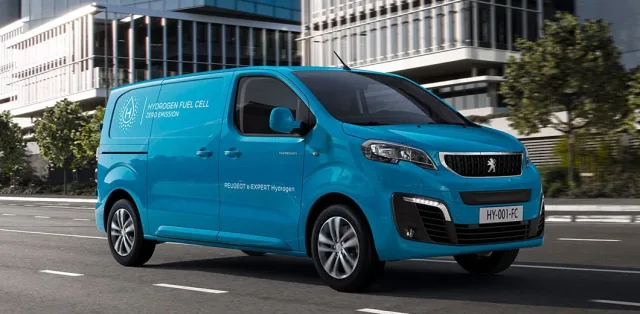
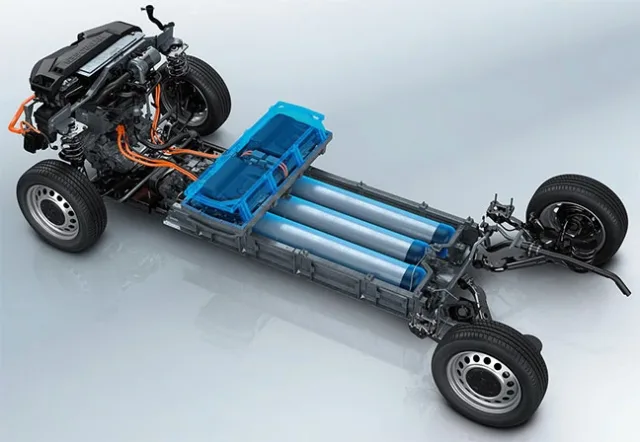
Both Opel and Peugeot are part of the Stellantis concern, so both cars are identical in terms of their internals. Like the Opel Vivaro-e Hydrogen, the hydrogen-powered “Expert” is built on a purely electric modification with a 136-horsepower (260 Nm) motor. However, instead of a traction battery, the new model has a small battery with a capacity of 10.5 kWh and three hydrogen cylinders that hold 4.4 kg of light colorless gas (working pressure – 700 bar).
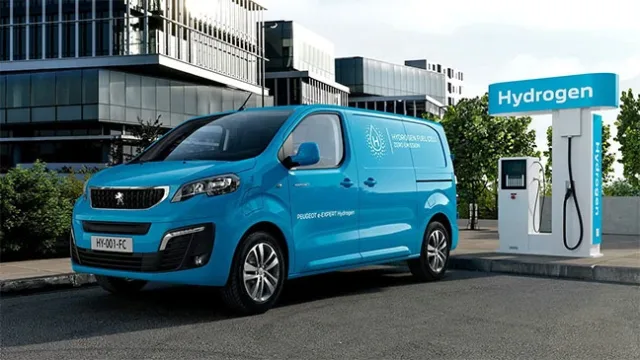
The task of hydrogen is to generate electricity, which is then supplied through the battery and the powertrain. With fully filled tanks and a charged battery, the Peugeot e-Expert Hydrogen can travel 400 km without stopping; although there is also a purely electric operating mode, but in it the range is modest – only 50 km (however, what else can be expected from such a small “battery”, which, by the way, is installed under the seat).
Acceleration to 100 km/h for such a van takes 15 seconds, and the maximum speed is 130 km/h. The time to fill the hydrogen tanks is 3 minutes.
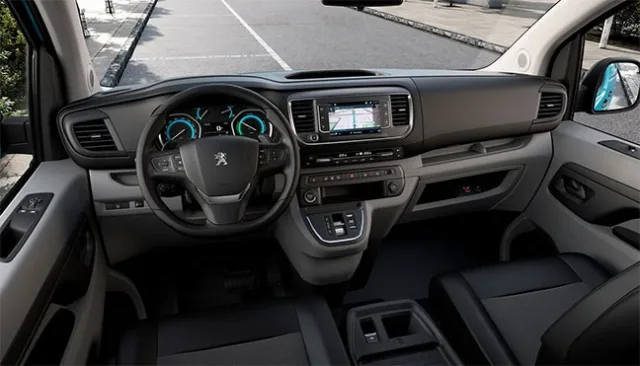
Other characteristics of the Peugeot e-Expert Hydrogen are also similar to the Opel: the cargo space volume for the version with a regular body is 5.3 cubic meters, with an extended one – 6.1 cubic meters; maximum payload – 1.1 tons, maximum towing capacity – 1 ton.
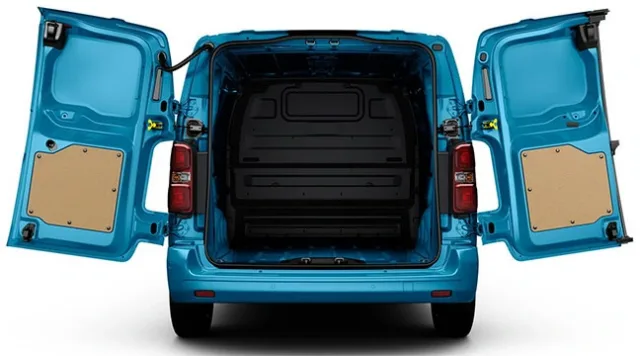
The van is aimed at those who need frequent deliveries but do not have much time for charging.
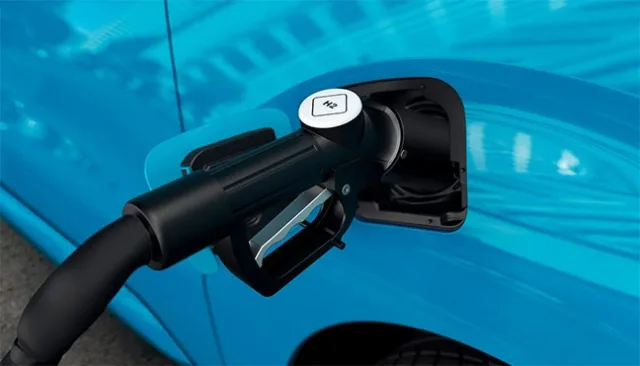
The Peugeot e-Expert Hydrogen will be produced at the Opel plant in Rüsselsheim, Germany. Apparently, soon a hydrogen-electric version will appear for another van from the Stellantis portfolio - the Citroën e-Jumpy.
Sales of the new Peugeot van will begin in Europe by the end of the year.