What is the electricity consumption level of electric vehicles?
Approximately 40% of electric cars in Ukraine have batteries with a capacity of over 50 kWh, making them suitable even for intercity travel. On average, modern cars consume 20 kWh per 100 kilometers, such as the Tesla Model 3. Smaller models, including the Renault ZOE, Fiat 500e, or Nissan Leaf, show lower figures — within 10–12 kWh per the same 100 km.
Charging prices at public stations (July 2025)
Experts from the Automotive Market Research Institute studied the price lists of leading charging infrastructure operators in Ukraine. As a result, they obtained the following average values:
-
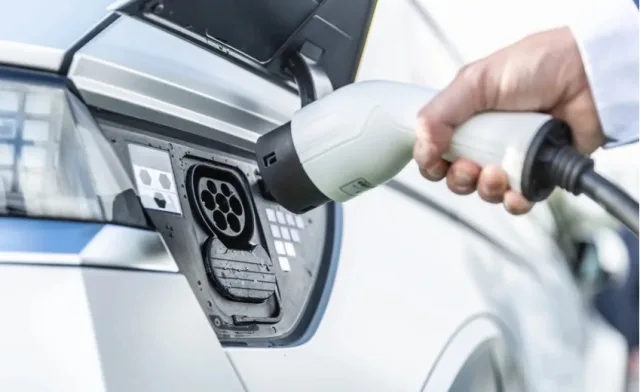
AC connector (standard mode) — 15.52 UAH/kWh (0.53 UAH more than a month earlier)
-
DC connector (fast mode) — 17.65 UAH/kWh (increase by 0.27 UAH)
Thus, covering a distance of 100 km with a calculation of 20 kWh per 100 km will cost approximately:
-
at AC charging — 310 hryvnias
-
at DC charging — 353 hryvnias
Tariffs may vary depending on the location: charging hubs on highways tend to have higher prices, while at parking lots near shopping centers, cafes, or hotels, more affordable options are sometimes available.
Comparison with traditional fuel vehicles
To assess the benefit, it is worth comparing costs:
-
Gas (LPG, 12 l/100 km) — approximately 410 UAH
-
Petrol (10 l/100 km, 62 UAH/l) — from 620 UAH
-
Diesel (10 l/100 km, 59 UAH/l) — from 590 UAH
Therefore, even using public charging stations, an electric car owner spends less than a driver of a petrol or diesel vehicle.
Home charging: where the biggest benefit is
When powering from a household outlet, the savings become even more noticeable:
-
Single tariff throughout the day (4.32 UAH/kWh) — about 90 UAH per 100 km
-
Night tariff (2.16 UAH/kWh) — only 45 UAH per 100 km
This is ten or even twelve times less compared to petrol, and relative to diesel — 8–9 times cheaper.