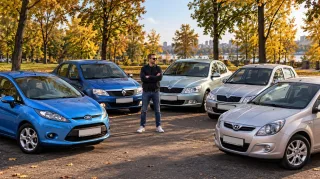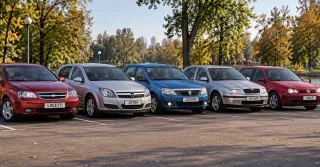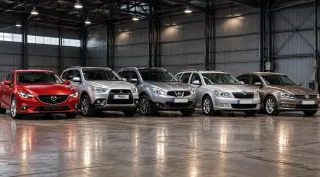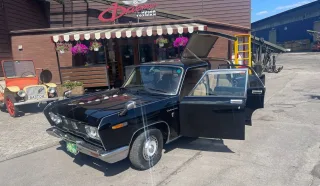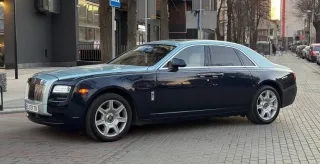
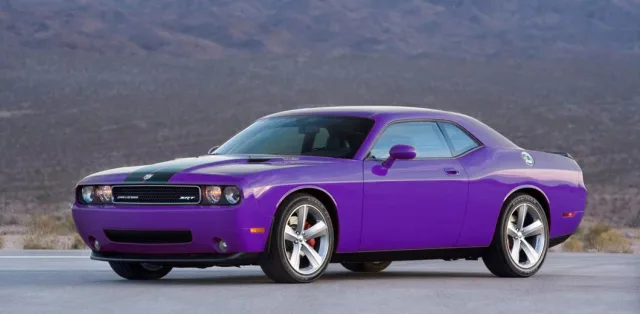
Yes, German colleagues found that purple cars on the secondary market lose about 27.2 percent of the average price, silver – 25%, gold – 23.1%, yellow – 13.3%, red – 11.5%, blue – 9.8%, gray – 9.7%, black – 9.5%, white – 5.9%, orange – 5.4%, green – 1.3%. That is, as you can see, some colors can significantly reduce the price of a car. This mainly applies to atypical colors.
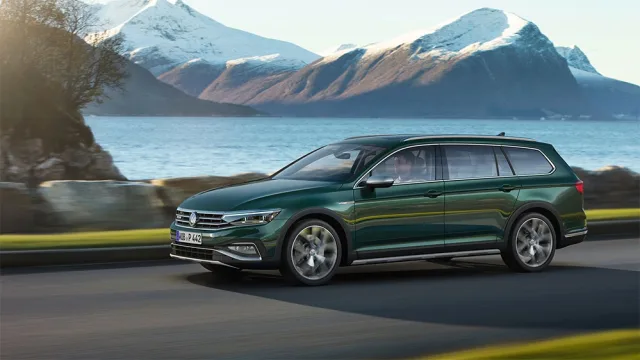
Mobile.de notes that the same cars with brighter colors are much less frequently viewed in listings than cars with more neutral colors like gray or black. At the same time, researchers emphasize that you shouldn't lump everything together – the car class plays a big role. So, red can be an excellent choice for a Ferrari, but when it comes to a business sedan like a Volkswagen Passat or BMW 5-Series, such a color is inappropriate, as it will cause the owner a big headache when reselling.
In general, the Germans state that an owner who expects to sell their iron horse well in the future must remember that the color should match the car's segment or some average values. Also, it's better to avoid trendy colors – they may be popular today, but lose relevance tomorrow. So to speak, classics win.
Note that earlier, Americans from iSeeCars conducted a similar study. Overall, they got similar conclusions, although some differences still exist.