Chinese electric cars vs European ones
JATO notes that premium European brands like Audi or Porsche have their own clientele and always will, but in the mass-market segment, the Chinese have an advantage – the cost of their electric cars has dropped so much that the Chinese government has even reduced subsidies for purchasing such cars.
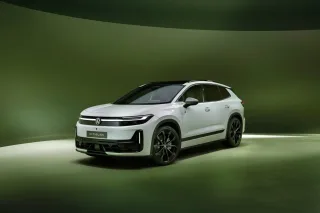
The fact that the situation is critical has already been felt by VAG in particular: the Volkswagen ID.4 crossover, which recently hit the market and almost immediately flopped. In less than six months, the manufacturer sold only about 5,000 ID.4s, whereas for the whole of 2020 it was planned to sell about 100,000-120,000 such electric cars.
Prices for electric cars
And if Western cars are only rising in price, Chinese ones, on the contrary, are decreasing. Thus, the average price of an electric car in Europe has jumped by almost 10,000 euros since 2011 to about 42,600 euros – an increase of 28%. In the United States, over the past ten years, the price has risen by 38% – to 36,200 euros. But in China, prices have fallen by almost half over the same period – from 41,800 euros to 22,100 euros.
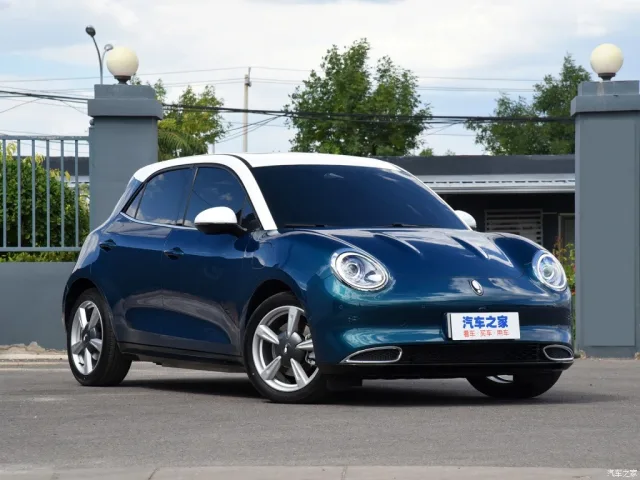
Strictly speaking, this is due to the fact that the Chinese have targeted cheap cars, while European and American manufacturers have gone down the path of creating luxurious and technologically advanced cars, which, however, are of higher quality. Nevertheless, price, as they say, decides: in China, an electric car can be bought for just 3,700 euros, while in Europe prices start from 15,740 euros. In the US, the price of the cheapest electric car is 24,800 euros.
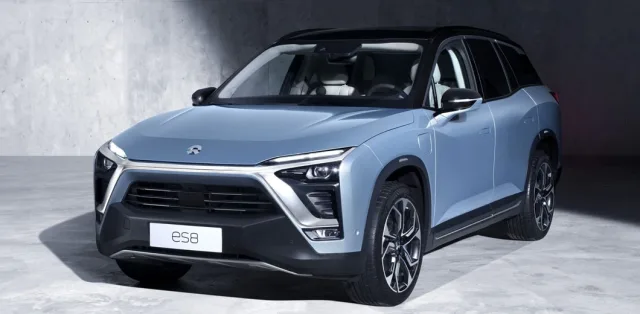
Overall, JATO notes that European manufacturers fear this trend. Chinese electric cars could take a significant share of the Old World market and thus attack the local auto industry. However, they have already started doing this: not long ago, the MG and Aiways brands entered the EU, and soon the Wey, Ora, and Nio brands are expected to appear.