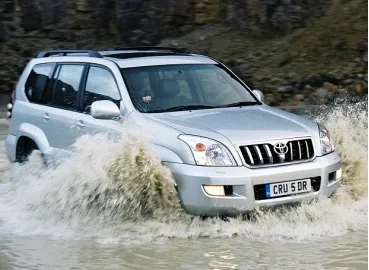
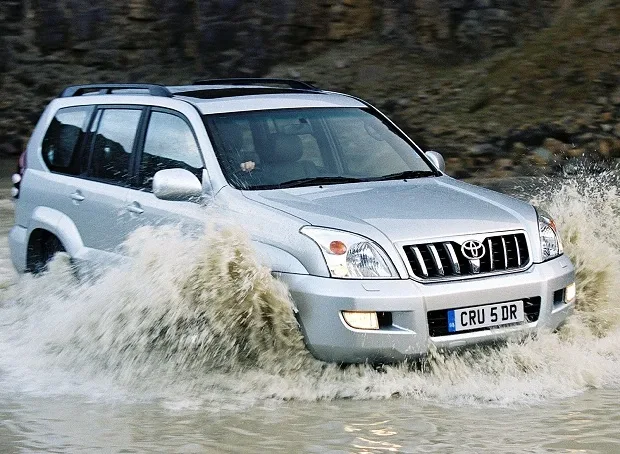
К этой категории машин вполне можно причислить Toyota Land Cruiser Prado 120 – настоящую звезду б/у среди внедорожников, которой мы уже посвящали материал в нашей постоянной рубрике. Однако, мы решили дополнить его свежей статьей, рассказывающей о том, на что обращать внимание при покупке этого автомобиля, и какие у него сильные и слабые стороны.
Описание
• Тип кузова: универсал
• Габариты Длина/Ширина/Высота, мм:
3 дверный: 4400/1880/1900
5 дверный: 4850/1880/1900
• База, мм: 2790(2460)
• Дорожный просвет, мм: 220 или 195-250(с пневмоподвеской)
• Масса снаряженная/полная, кг: 1985/2850
• Объем багажника, л: 620(192 в 7-местной версии)
• Объем бака, л: 87
• Тип привода: полноприводный
• КПП: механическая 5/6-ступ., автоматическая 4/5-ступ.
• Тормоза передние/задние: дисковые/ дисковые
• Подвеска передняя/задняя: независимая / зависимая
• Двигатели:
• Бензиновые
4-цилиндровые рядные: 2.7 (150 л. с.), и 2.7 VVT-i (163 л. с.) с 2004 года
6-цилиндровый рядный: 4.0 VVT-i (249 л. с.)
• Дизельные
рядные 4-цилиндровые с турбонаддувом и непосредственным впрыском: 3.0 D-4D (163 л. с.), и (173 л. с.) с 2006 года
История
2002 год: на Парижском мотор-шоу презентовали Land Cruiser Prado 120
2004 год: модель получила новый двигатель 2.7 литра с системой газораспределения VVT-i
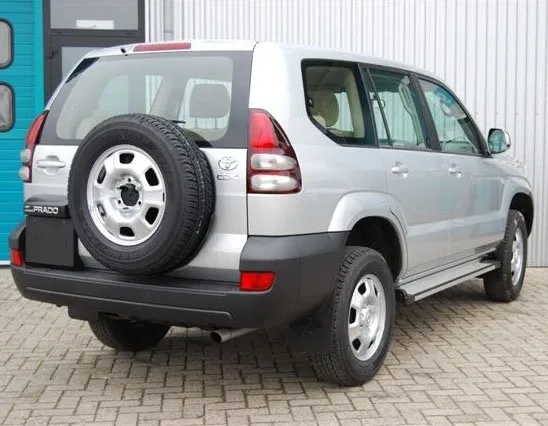
2006 год: автомобиль перетерпел рестайлинг. Изменились: оптика, решетка радиатора, задняя дверь, «запаска» была перенесена под днище багажника
2009 год: на смену Land Cruiser Prado 120 приходит Land Cruiser Prado 150
Кузов
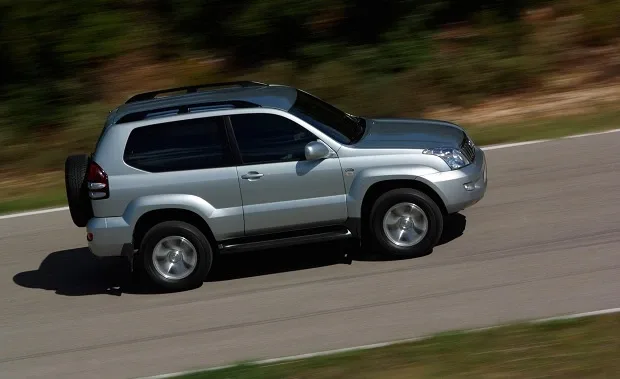
Дизайн автомобиля был разработан в европейской дизайн-студии Toyota. Prado 120 предлагался в 3- и 5-дверном варианте. В Украине 3-дверный вариант официально не продавался.
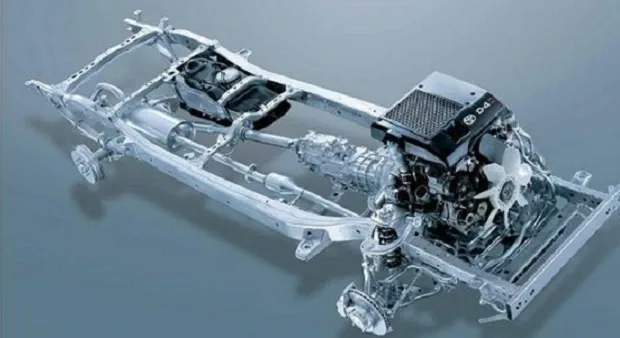
Как и во всех предыдущих поколениях, кузов Land Cruiser Prado 120 построен на раме.
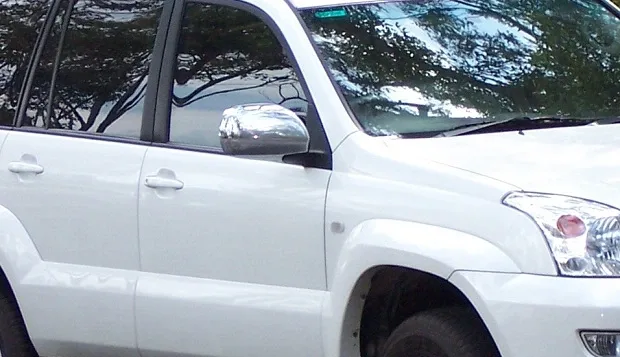
В нашу страну эту модель импортировали как «белые», так и «серые» дилеры - из разных стран, включая арабские. Версии для арабских стран визуально можно отличить по хромированным зеркалам, отсутствием омывателей фар (отсутствуют даже заглушки). На корме (справа) указана комплектация (GX с мотором 2.7, VX с мотором 4.0).
В зависимости от страны происхождения, автомобиль может иметь разные слабые стороны. Так, в европейских версиях со временем проседают с левой стороны подушки рамы. Причина кроется в том, что такие авто имеют один топливный, расположенный с левой стороны. У арабских Prado подобного нет, поскольку они имеют два бака.
Кузов Прадо хорошо противостоит коррозии, независимо от рынка сбыта, для которого предназначался. А вот хромированные декоративные накладки кузова в наших условиях (в основном, зимой) имеют особенность окисляться и облазить.
Также встречается проседание дверных петель. Но только на тех модификациях, у которых запаска размещена на двери багажника.
Салон
Салон Prado 120 выполнен в стиле классического внедорожника. Он предлагался в 5- и 8-ми местном варианте. Пространства внутри предостаточно для людей любого роста и комплекции.
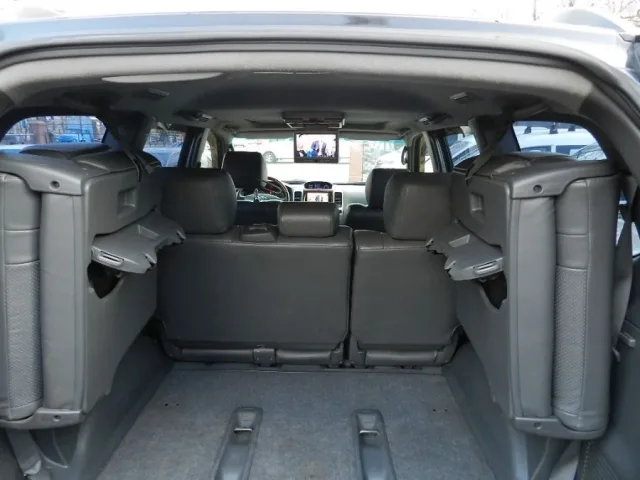
Интерьер выполнен из дорогих и качественных материалов. Встречаются экземпляры (в основном, арабские) с велюровым салоном, который в автомобиле такого класса выглядит нелепо.
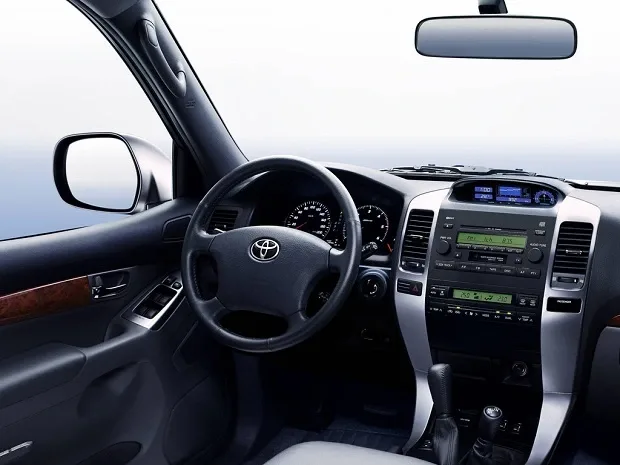
К минусам можно отнести неудобство посадки на задний ряд - из-за узкого дверного проема (в нижней части). Арабские версии поступили в Украину в «бедных» комплектациях, а поскольку они производились для теплого климата, в них отсутствовал подогрев сидений, да и «печка» более слабая - по сравнению с европейскими авто. Зато система кондиционирования, наоборот, более мощная – летом арабские Прадо охлаждают салон быстрее.
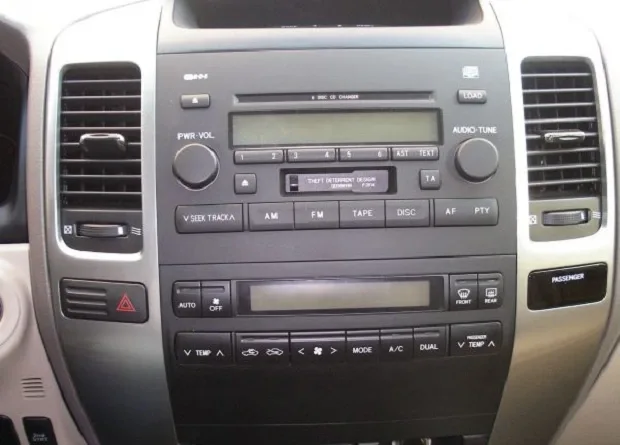
К минусам можно отнести систему складывания задних кресел (спинка сидения поднимается только с подушкой, а не раздельно), что уменьшает объем багажника со сложенными сидениями. Шумоизоляция выполнена на весьма достойном уровне.
Двигатель
Линейка двигателей у Land Cruiser Prado 120 очень скромная - два бензиновых агрегата объемом 2.7 л и 4.0 л и один турбодизель объемом 3.0 литра.
Оптимальный выбор для 2-тонного автомобиля - бензиновый двигатель объемом 4 л мощностью 249 л.с. Мощности 2.7-литрового мотора маловато (особенно при обгонах), да и по расходу топлива он не особо отличается от более мощного собрата.
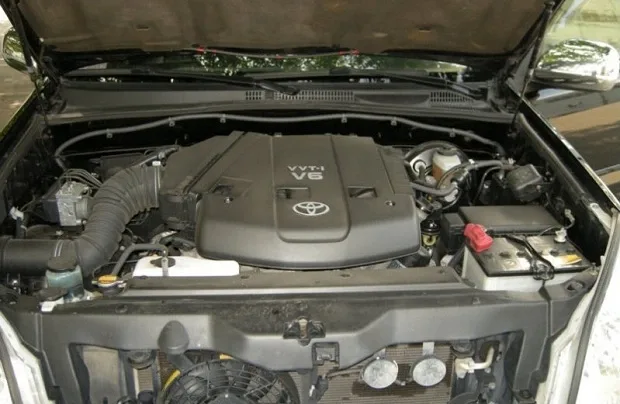
С дизельным двигателем ситуация несколько иная. Он хоть развивает почти ту же мощность, что и бензиновый 2.7, но за счет крутящего момента позволяет совершать маневры более уверенно. Основной же плюс дизельного двигателя кроется в экономичности – Land Cruiser Prado с таким агрегатом потребляет в городском режиме порядка 12 л на 100 км.
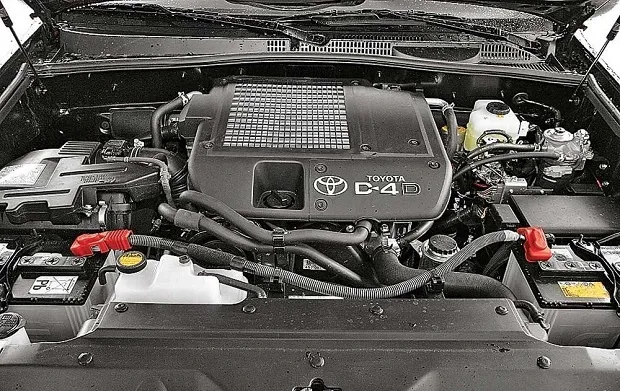
Все двигатели Prado 120 очень надежны и могут без особых проблем прослужить 400 тысяч км – при условии своевременного обслуживания. Но у 4-литровых Прадо бывают случаи, когда дает течь передний сальник коленвала.
У бензиновых двигателях в приводе ГРМ используется цепь, она рассчитана на весь срок службы двигателя, а вот в дизельных двигателях используется ремень, его необходимо менять раз в 150 тыс. км. Регулировать клапана по регламенту нужно каждые 100 тыс. км.
Чистку форсунок из-за нашего бензина лучше делать каждые 20-40 тыс. км. Загрязненность форсунок проявляется нестабильной работой двигателя на холостых оборотах, а также провалами при разгоне. Масло в двигателе желательно менять каждые 10 тыс. км.
Трансмиссия
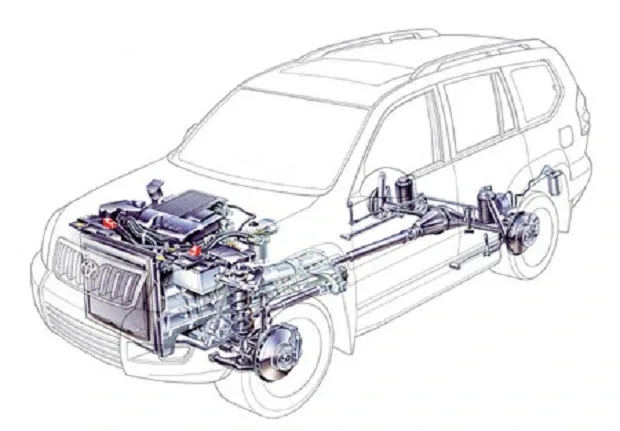
Land Cruiser Prado 120 оснащен полноприводной трансмиссией с пониженными передачами. Так же она имеет механический межосевой дифференциал с блокировкой Torsen, который распределяет крутящий момент в пропорции 40:60. В случае пробуксовки колес эта пропорция может меняться от 29:71 до 53:47.
В нашей стране более популярны автомобили с автоматической КПП, но все же встречаются машины и с «механикой».
КПП в Prado очень надежные и при правильной эксплуатации могут прослужить столько же, сколько и двигатель. Но при условии не слишком частой и, конечно, грамотной езды по бездорожью.
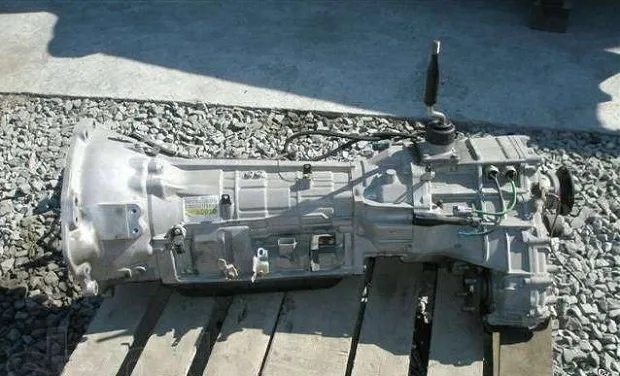
Замену масел в КПП, «раздатке» и заднем мосту необходимо делать каждые 40 тыс. км.
Ходовая часть
Как мы уже писали в статье о рамных автомобилях, они никогда не славились хорошей управляемостью. Land Cruiser Prado этому не исключение. Автомобиль валкий, при скоростном прохождении поворотов ощущаются сильные крены. Зато при вальяжной езде, он очень комфортный. Подвеска очень тихая - мелкие ямы и неровности она «проглатывает» без проблем. В то же время она надежная, что, учитывая состояние дорог у нас в стране, является очень важным моментом.
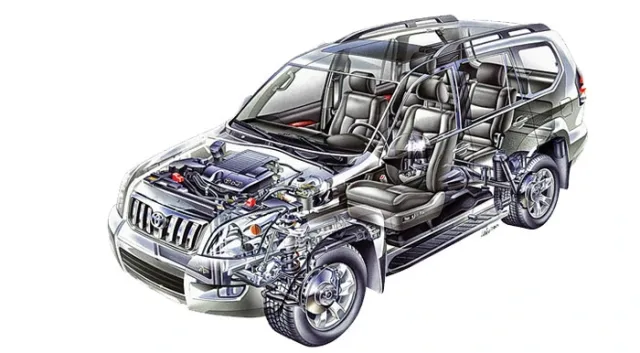
Из минусов можно выделить пневмоподвеску, которая в дорогих версиях устанавливалась на «задок» автомобиля. Назвать ее необходимой вряд ли можно, поскольку регулировкой внедорожные качества не сильно улучшишь, а вот стоимость ремонта она удорожает. Задние регулируемые стойки выхаживают примерно 90 тыс. км., а их стоимость составляет приблизительно 5000-6000 гривен (за 1 штуку!). Влияет на стоимость ремонта и датчик положения высоты кузова, который часто выходит из строя. Не порадует и загрязнение фильтра компрессора пневмоподвески (обычно, после езды по внедорожью), из-за которого возрастает нагрузка на компрессор.

К передней подвеске особых претензий нет. Амортизаторы даже при самой жесткой эксплуатации служат более 100 тыс. км. Шаровые опоры выхаживают порядка 140-150 тыс. км., рулевые тяги - около 70 тыс. км. Втулки стабилизаторов - 50 тысяч км, а подшипники ступиц 70-100 тыс. км.
Цены на запчасти и обслуживание
Стоимость запчастей и обслуживания нельзя назвать дешевым удовольствием. Но еще раз подчеркнем, что самыми дорогостоящими будут элементы пневмоподвески, так что при покупке б/у Prado, ее нужно внимательно осматривать и делать соответствующую диагностику.
В целом, автомобиль очень надежный, и если конкретный экземпляр не «убит», новому владельцу придется тратиться только на расходники. А они весьма доступны.
Цены на запчасти:
Фильтр воздушный – 120 грн.
Фильтр масляный – 80 грн.
Амортизаторы пер./зад. – 1700 грн/1000грн.
Колодки пер./зад. – 500 грн. (оригинал 800-1000 грн)/350 грн. (оригинал – 750 грн)
Тормозные диски пер./зад. – 1200 грн./700грн.
Б/у запчасти:
Бампер задний – 900грн.
Бампер передний – 1100 грн.
Крыло – 1200 грн.
Фара (1 шт) – 800 грн.
Плюсы
| Минусы
|
Итог
Покупая Toyota Land Cruiser Prado 120, мы бы рекомендовали в обязательном порядке проверять рассматриваемый автомобиль на СТО. Причем, оценивать состояние лучше и глазами мастеров, и с помощью специальной аппаратуры. В этом случае удастся получить максимально полную картину касательно возможных вложений. А, как видно по стоимости задних стоек для пневмоподвески, стоимость деталей на Prado может как радовать, так и очень удивлять. На вторичном рынке данная модель стоит от $20 000 (2003 года выпуска) до $40 000 (2008 года производства). Ознакомиться с предложениями по Toyota Land Cruiser Prado 120 можно в нашем каталоге б/у авто.