One of the readers of Autoportal asked whether special preparation of the car is required for starting after it has been idle for a long time. This question prompted us to study this topic in detail.

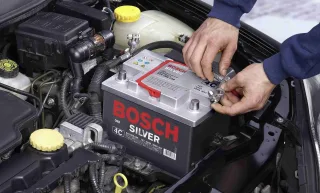
Let us clarify right away: we consider a long idle period to be a situation when the vehicle has not been used for at least a year. If the car has been stationary for three to four months, for example, in winter, then there is nothing to worry about — such storage has almost no effect on the technical condition. The only thing that can happen is battery discharge. In this case, it is enough to simply recharge the battery and you can go.
But what happens to the car during a more serious "rest" and what the owner should be prepared for before the first engine start, the journalists of Autoportal will now tell.
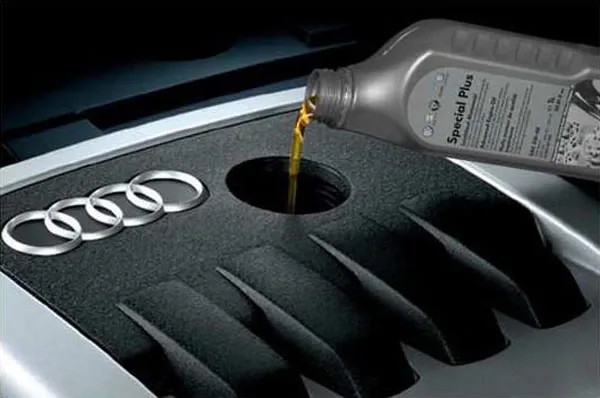
1. Engine oil: Modern lubricants can be stored for quite a long time, and the manufacturer guarantees their suitability for the entire period indicated on the canister. This is true, but only until the oil is poured into the system. As soon as it starts working in the engine, gearbox, or transmission, the shelf life needs to be reconsidered. The fact is that any oil is a mixture of a base stock and a package of additives (cleaning, detergent, stabilizing, and others). It is the additives that actively interact with each other and with the parts of the units, especially when heated. Over time, they oxidize, and the product can "separate." With regular driving, this does not happen because the oil is constantly mixed and agitated in the sump. But if the car is abandoned for a long time, heavy fractions gradually settle down. For clarity, you can recall water-based paint: after long storage, the pigment settles, and almost useless water remains on top.

If you try to start the power unit on such oil, there is a risk of simply ruining it. Therefore, after a long idle period, first of all, you need to check the condition of the oil and, if necessary, replace it. Experienced drivers also advise during storage to start the engine at least once every two months, let it warm up, and drive a couple of kilometers.
If it turns out that the oil is no longer suitable, the only way out is to pour fresh oil, and along with it, change all filters.
2. Fuel: Surprisingly, everything said about oil is also relevant for gasoline or diesel. In addition, condensate can accumulate in the tank. That is why experienced car owners recommend filling the tank with high-quality fuel before a long parking period, at least three quarters of the volume. This is necessary so that moisture does not form on the tank walls during temperature changes. In general, gasoline retains its consumer properties for about one and a half to two years, and diesel — from one to one and a half years. If the car has been standing longer, it is better to drain the fuel and fill fresh.
3. Battery: The battery discharges by itself. Even if you leave the car with a fully charged battery, over time the charge will drop. With a short parking period, this is insignificant, but over a year or more, the battery can discharge to zero. It is advisable to recharge the battery to one hundred percent every one and a half to two months. If you follow the advice from the first point and regularly start the engine, the generator will itself feed the battery.
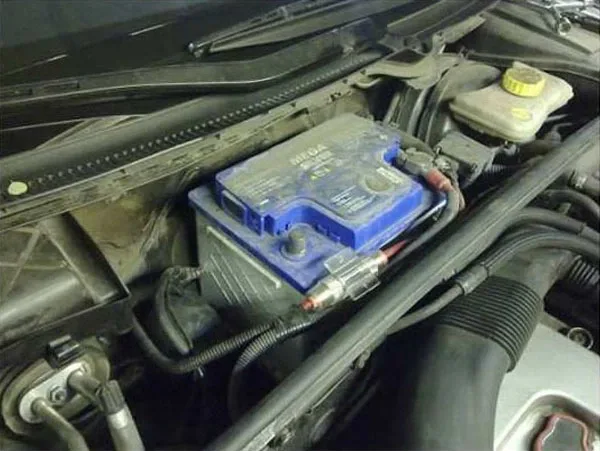
The normal service life of a battery is five to seven years. If you got an older specimen, a new battery will most likely be unavoidable.
4. Seals and gaskets: During a long idle period, all the lubricant drains into the oil pan. Seals left without an oil film come into contact with air, dry out, become hard, and over time become covered with cracks. The result is oil leaks at the installation points of the seals. The advice here is the same as in the first point: periodic engine starts help the oil distribute over the seals, preventing them from aging. If the car came to you "by inheritance" and the layer of dust on it is impressive, be prepared for the fact that replacing all seals, gaskets, and sealing rubbers will cost a pretty penny.
5. Hoses and fuel lines: This point applies to cars that have been standing for more than four to five years. In most cases, the rubber of the hoses loses its properties and cracks during this time. Even if there are no visible damages, an unpleasant surprise may await right on the road. No one will like it if a cooling system hose bursts on the highway or, God forbid, a fuel line. A fire is not far off here. There is even nothing to argue about — definitely replace.
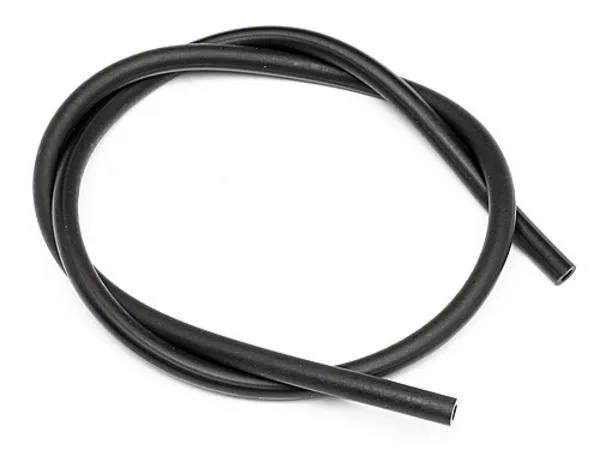
6. Brake fluid: This fluid is very hygroscopic, that is, it actively absorbs moisture. During movement, heat from the discs and calipers is transferred to the fluid. It itself is quite heat-resistant, but the water it has accumulated can boil. If steam forms in the system, the brakes may simply fail. Even during normal operation, automakers advise changing the brake fluid at least once every two years. And before "reviving" the car after a long idle period, it is definitely worth updating it for your own safety.
7. Brake discs and pads: During long-term storage, the discs become covered with rust. To clean them, you need to drive a short distance at low speed, periodically braking. This way the plaque will come off.
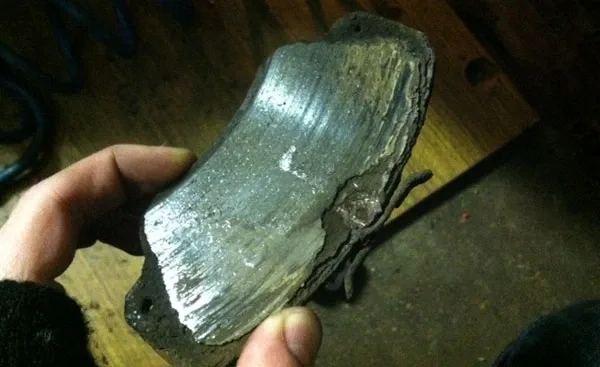
If the car has been standing for more than three years, it is worth inspecting the brake pads. It happens that the friction linings peel off from the base. In such a situation, they need to be replaced.
8. Door and window rubbers: If you are putting the car into storage yourself, treat all seals with silicone lubricant and repeat this procedure at least once a year. Well, if they have already become unusable, at any auto market you can easily find a suitable set of seals for your make.
9. Electrical wiring: Visually inspect accessible sections of the wiring for exposed wires. As practice shows, the eternal companions of man — mice and rats — are very fond of gnawing insulation. If the damage is minor, you can wrap them with electrical tape. If serious — it is better to replace the wiring.
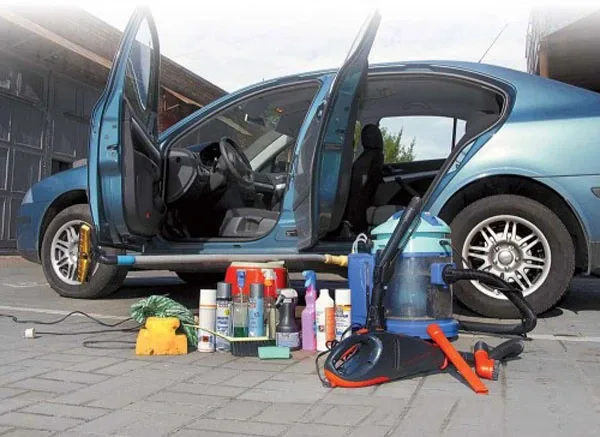
And the last advice: when the car is fully ready to go out, do not be lazy to give it a general cleaning. The dust accumulated over the years can cause allergies in you or your loved ones. And driving in a clean cabin is much more pleasant.
What conclusion can be drawn? The simplest one. If you plan to leave your iron horse in the garage for a long time, do it wisely. Treat all seals with silicone, apply wax to the body, fill the tank with good gasoline (and at least three quarters of the volume). The engine, gearbox, and transmission should have fresh oil. And most importantly — do not forget about the car. If you visit it every two to three months and give it a little "walk," this will significantly simplify and cheapen its return to service when the time comes. Remember: the miser pays twice, and the fool — always.