В чем разница между классами автомобилей?
Классы легковых автомобилей различаются по комфорту и габаритам. Кроме того, явно прослеживается разделение по машинам для разных социальных слоев, что отражается на стоимости, используемых комплектующих и материалах. Ни для кого не секрет, что сегодня автомобиль не только средство передвижения, но и способ продемонстрировать свой достаток.
Разумеется, размеры автомобиля, во многом влияют и на его функциональность. Ведь в компактное авто не поместится много груза, а крупногабаритный внедорожник вряд ли будет удобен для езды по дворам и узким улицам.
Также изменение габаритов неминуемо влечет за собой увеличение массы, необходимости использовать более мощный двигатель, и т.д. Таким образом, из-за того, что большинство характеристик автомобиля неразрывно связаны друг с другом, можно выбрать несколько ключевых параметров и проводить разделение на классы только по ним.
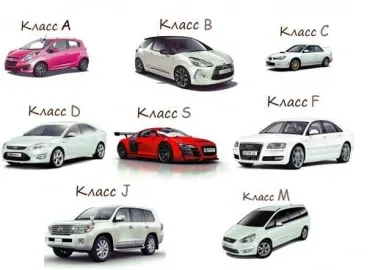
Машины класса «А»
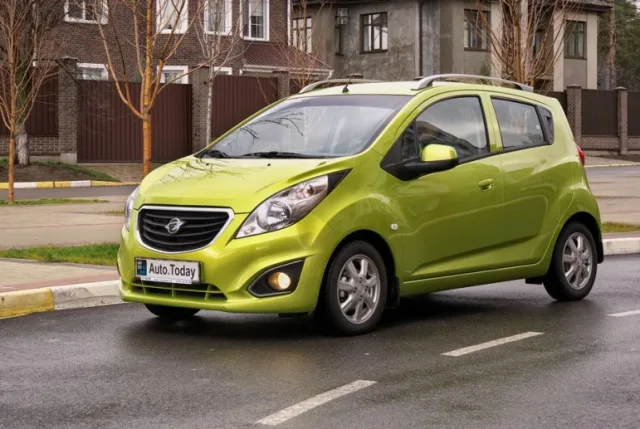
Данный тип авто, также называют «Mini». Это компактные, экономные автомобили, которые предназначены для передвижения в черте города. Они отличаются небольшой ценой и пользуются большой популярностью у женщин.
Характерное отличие – длина менее 4-х метров.
Наиболее популярными представителями авто А-класса, являются:
- Hyundai i10;
- Ravon R2;
- Smart Folio.
Автомобили B класса
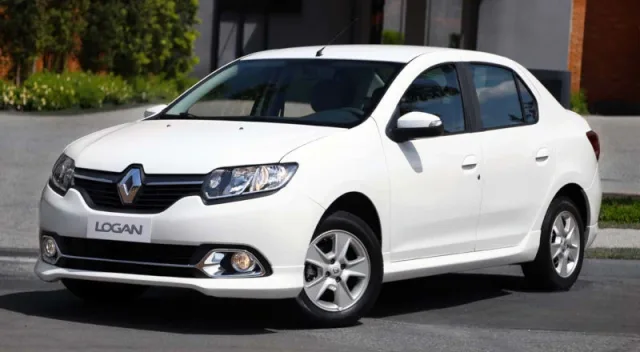
Следующая ступень называется просто и понятно – Small Cars. Стандартная длинна от 3,7 до 4,2 метров. Обладают большими габаритами, и как следствие более комфортны, позволяют перевозить больше груза.
Производятся в кузовах типа «хэтчбек» или «компактный седан». Повышенная вместимость, делает их универсальным вариантом, который можно использовать для езды по городу, выездов на дачу и т.п.
Наиболее известные машины этого класса:
- Renault Logan;
- Chevrolet Aveo;
- Hyundai Accent.
Авто С класса
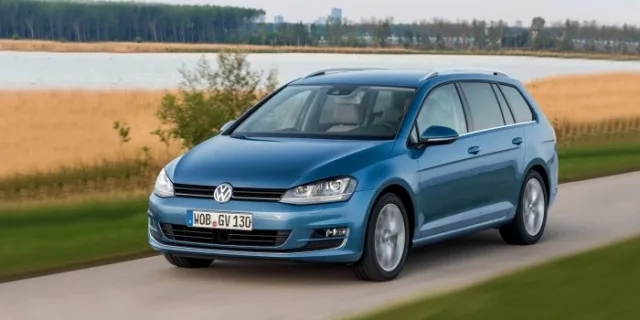
Данные автомобили также называют «Medium Cars», «Гольф-класс». Это машины средних размеров (длина до 4,5 метров), с кузовами типа седан или хэтчбек, способные комфортно разместить в салоне до 5 пассажиров. В сочетании с увеличенным объемом багажных отделений, это делает их самыми универсальными автомобилями.
Также нужно сказать, что машины C-класса, все еще относятся к бюджетным.
Наиболее популярные автомобили:
- Volkswagen Golf (именно благодаря этой машине, появилось второе название «Гольф-класс»);
- Toyota Corolla;
- Mitsubishi Lancer.
Автомобили класса D
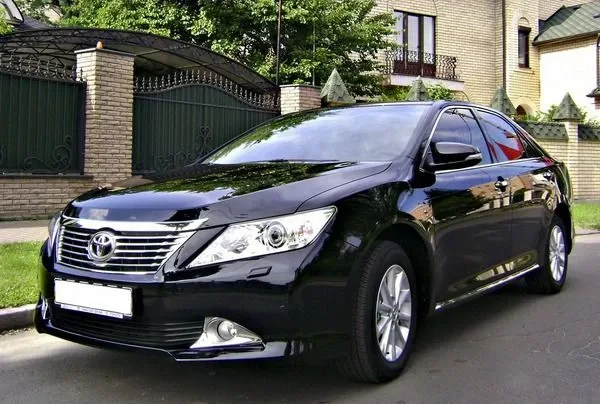
Этот тип машин называют «Large Cars», и относят к среднему ценовому сегменту. Здесь представлены седаны и универсалы длиной до 4,6 метров, в которых больше внимания уделено комфорту. Для них используются более дорогостоящие материалы и комплектующие, что сказывается на цене.
Отличие от предыдущих классов автомобилей, видно и по маркам. Здесь появляются такие производители как Mercedes-Benz и Audi, для которых модели этого класса считаются «бюджетными».
Такие авто будут отличным вариантом городского автомобиля на каждый день, поскольку позволяют с комфортом разместить 5 пассажиров, имеют вместительный багажник, хорошие ходовые характеристики.
Авто D класса:
- Mercedes-Benz C-klasse (несмотря на название, по европейской классификации она относится именно к классу «D»);
- Audi A4;
- Toyota Camry;
- Volkswagen Passat.
Машины Е класса
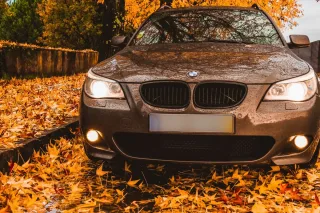
Альтернативные названия – «Executive Cars», «Бизнес-класс». Как можно понять из названия, эти автомобили уже не просто транспортное средство, которое должно доставить владельца на работу или деловую встречу, но и показатель социального статуса. Их предпочитают покупать менеджеры и бизнесмены.
Как и для любой статусной вещи, для производства таких авто используются высококачественные материалы, современная электроника. В результате мы получаем отличные ходовые характеристики, высокий уровень комфорта, стильный дизайн, и весьма приличную стоимость.
В Европе наблюдается спад популярности таких автомобилей, хотя в нашей стране они все еще пользуются спросом.
Самые известные машины E-класса:
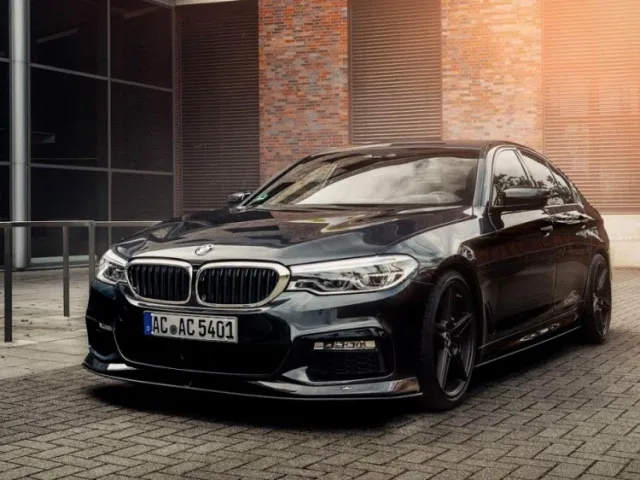
- BMW 5 series;
- Hyundai Genesis;
- Volvo S80.
Автомобили F класса
Также известны как «Luxury Cars», или «представительский класс». Эти машины являются мечтой для многих автолюбителей. Крупные седаны, длиной до пяти метров, предлагают своим владельцем все самое лучшее, начиная от ходовых характеристик, и заканчивая отделкой салона и уровнем комфорта. Большинство автомобилей изначально проектируется с расчетом на то, что владелец будет находиться на заднем сидении, а управление возьмет на себя водитель.
Как и предыдущий класс, эти авто предназначены в первую очередь для демонстрации социального статуса, и с этой задачей они справляются.
Самые популярные автомобили:
- BMW 7 series;
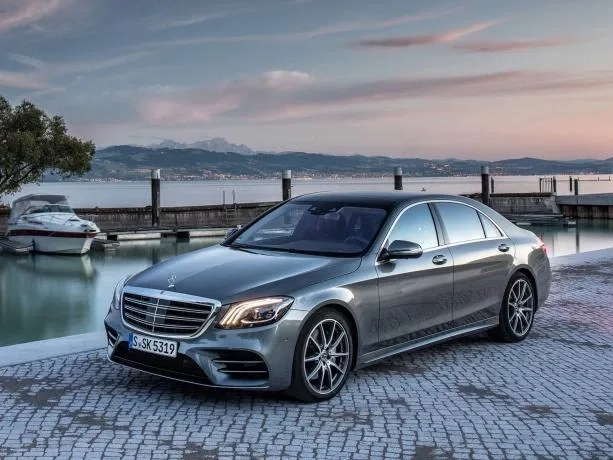
- Mercedes S-klasse
- Maybach 62.
Автомобили S-класса
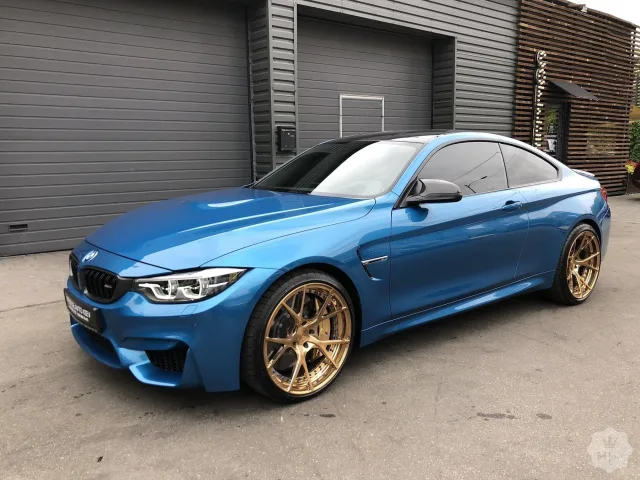
Автомобили также известные как «Sport coupe», «спорткары», «суперкары», изначально проектируются для того, чтобы получить максимум скорости и управляемости. Обычно они могут продемонстрировать все свои возможности только на специальных треках. Низкая посадка создает серьезные проблемы при передвижении по плохим дорогам или бездорожью.
Тем не менее, они пользуются большой популярностью среди обеспеченных людей.
Их нельзя назвать некомфортными, но как только видишь такую машину, сразу понимаешь, что она создана только для езды на больших скоростях. Никаких больших компаний, никаких перевозок вещей.
Самыми яркими представителями этого класса являются:
- Mercedes-Benz AMG GT;
- BMW M4;
- Subaru BRZ.
Классификация для минивэнов и внедорожников
Разумеется, вниманием не обделены и такие типы автомобилей как внедорожники, минивэны и пикапы. Поэтому, помимо классов автомобилей a, b, c, d, e, f, s, существуют:
M-класс
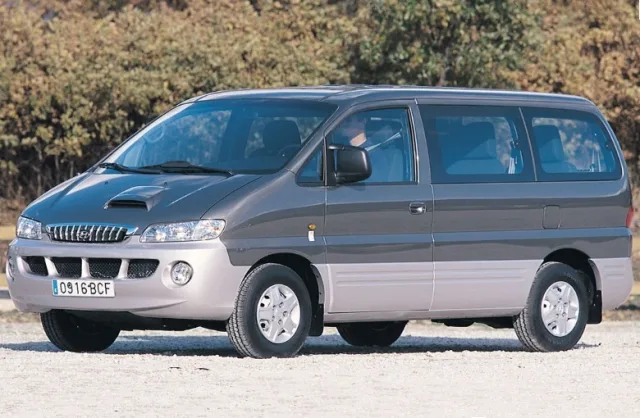
Характерными чертами этого класса является крайне вместительный салон, который позволяет перевозить от 5 до 9 пассажиров, либо большое количество груза. В него входят минивэны и универсалы. Многофункциональность таких машин наглядно отражена в альтернативном названии «Multi-purpose» (многоцелевые).
К ним относятся:
- Hyundai H-1;
- Renault Kangoo;
- Ford Galaxy.
J-класс
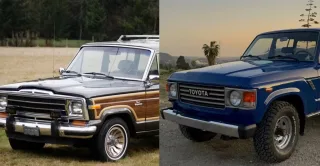
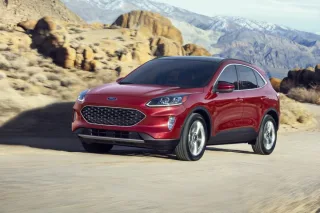
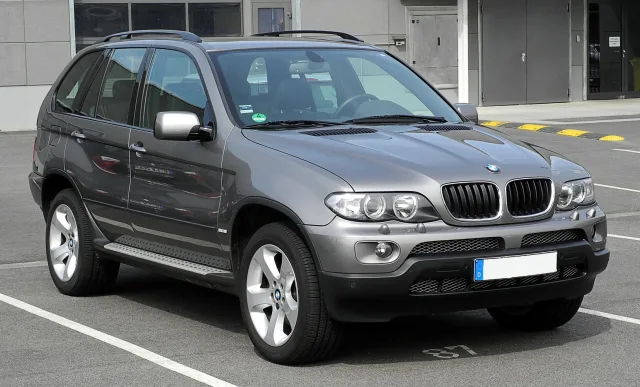
Класс для внедорожников и джипов. Главное отличие – крупные габариты, отличная проходимость. Впрочем, несмотря на то что основное предназначение таких машин - бездорожье и езда за пределами городов, многие приобретают их для того, чтобы подчеркнуть свой статус.
Известные представители:
- BMW X5;
- Mercedes-Benz Gelandewagen;
- Kia Sportage.
Другие классификации
Разумеется, Европейская классификация не является единственной, хоть и крайне популярна. Кроме неё, достаточно известны американская система, существующая с 1985 года. Её особенностью, является разделение машин по полезному объему салона. Также известна классификация, принятая в Великобритании.
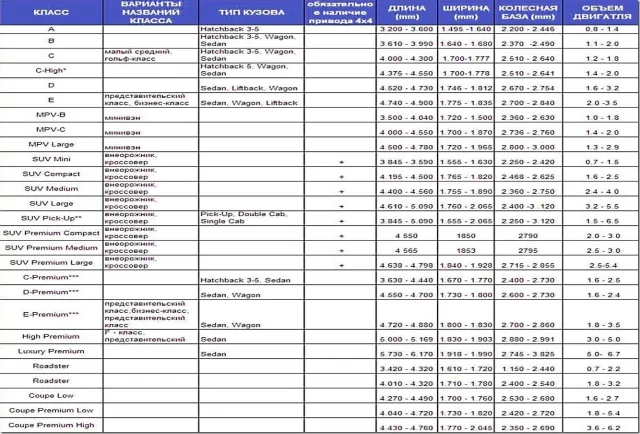
Ниже приведена таблица с параметрами классов автомобилей.