АвтоПортал уже неоднократно рассказывал про тонкости газобаллонного оборудования для машин. Однако, судя по количеству писем и комментариев, остается внушительное число скептиков. В этом материале мы попытались затронуть все самые «острые» моменты, которые волнуют владельцев машин. Ведь всё больше украинцев устанавливают ГБО на свои авто.
Не для всех авто ГБО одинаково «полезно»?
Миф о том, что газ приводит к поломкам авто, берет начало еще со времен СССР. Тогда многие водители промышляли хищением топлива из служебных машин. Когда партия приказала перевести часть транспорта на газ (в целях экономии и повышения экологичности), у рядовых граждан пропал дополнительный источник доходов. Бензин слить не проблема, а вот с газом такое не пройдет. В схемы хищений нередко были включены руководители автохозяйств (вспоминаем легендарную фразу: «и для этого я позволил изуродовать собственный сарай»). Поэтому как они, так и водители объединил свои силы для дискредитации технологии газификации автотранспорта. Водители писали фиктивные рапорты об участившихся поломках, завгары передавали их по инстанции и т.д. Результат - ГБО портит двигатель внутреннего сгорания.
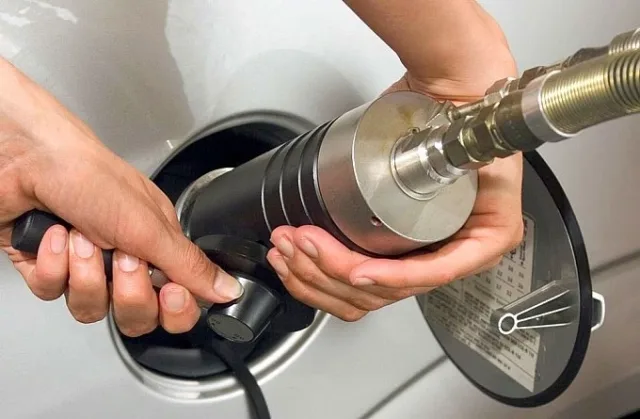
Если же изучить статистику и опыт других стран, можно сделать для себя совсем иные, неожиданные выводы. Например, не все знают (и хотят в это верить), что при использовании газа в узлах и агрегатах наблюдается меньший износ, а в камерах сгорания отсутствует нагар.
Очень часто, от псевдоспециалистов, мы слышим, что для некоторых видов моторов ГБО не подходит. В частности, газ буквально противопоказан для оппозитных моторов Subaru. Но мы можем поведать реальную историю из жизни, в которую попал наш коллега, пребывая в Голландии. Он наведался в автосалон Субару в Амстердаме, где между ним и продавцом состоялась любопытная беседа:
- Скажите, а я мог бы приобрести Форестер с газовым оборудованием?
- Конечно, он перед вами. Вообще все автомобили, которые вы видите, газифицицированы.
- Как? И эта спортивная Импреза тоже?
- Да, конечно. Кому она нужна без ГБО. Без ГБО на ней ездить очень дорого.
- А это не повлияет работу двигателя?
- Повлияет, его пробег будет больше в полтора-два раза. Все зависит от вашей манеры езды.
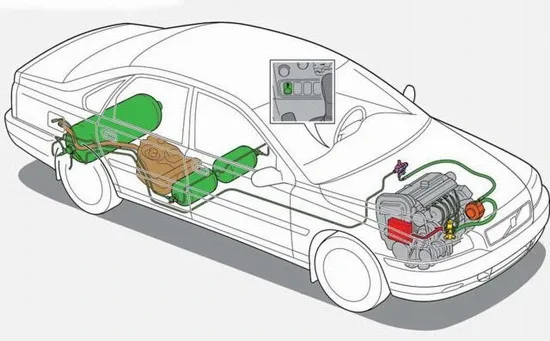
Каждый скептик может перепроверить эту информацию о газификации Субару (и не только) в Голландии. Почему у нас с ГБО встречаются проблемы, о которых не знает остальной мир? Все очень просто. Газ имеет более высокое октановое число. Соответственно, двигатель должен работать с другими регулировками угла опережения зажигания. Вы можете не переживать за сохранность любого мотора, в том числе и Субару, если установите ГБО на сертифицированной станции производителя этого оборудования. Другое дело если это будет сделано в «гаражной» конторе. Поставить могут и правильно, а вот регулировку - нет. Тогда результат может быть печальный. Чаще всего, длительная работа с неправильным углом зажигания приводит к прогоранию выпускного клапана в одном или даже нескольких цилиндрах.

Поколения ГБО. Их количество и отличия
Первое и второе поколение, это системы, предназначенные для старых карбюраторных и моноинжекторных моторов. Расход газа у них примерно на 20% больше по сравнению с бензином. Рассматривать их сегодня уже не актуально, так как карбюраторные моторы сняты с производства почти всеми производителями. Первое поколение от второго отличается возможностью работать с моторами оснащенными катализатором.
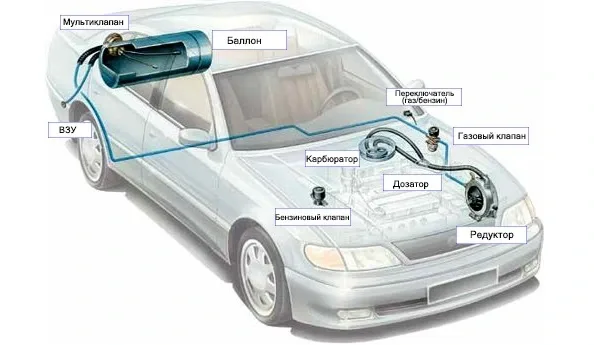
Третье поколение, может работать с карбюраторными и моноинжекторными моторами. Система подает газ во впускной коллектор очень близко к впускному клапану каждого из цилиндров. Между штуцерами, которые устанавливаются во впускном коллекторе и редуктором, который занимается подачей избыточного давления, расположен шаговый дозатор механического типа, который распределяет правильные порции газа впускному коллектору.
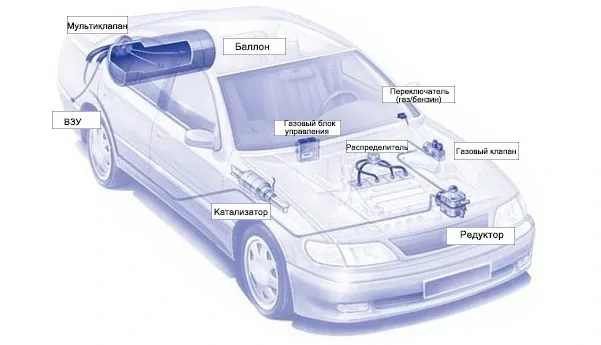
Недостаток этого поколения выражается в том, что ГБО не использует электронный блок управления двигателем и, соответственно, алгоритмы, по которым вычисляется момент впрыска и количество необходимого топлива. То есть, все расчеты производятся по заданным производителем ГБО алгоритмам. А они могут значительно отличатся от заводских требований и приводить к неправильной работе мотора.
Четвертое поколение, имеет электромагнитные газовые форсунки, которые обеспечивают впрыск газа в каждый цилиндр (то есть, по аналогии с бензиновой системой). Дозирование и определение фазы впрыска производит штатный автомобильный контроллер.
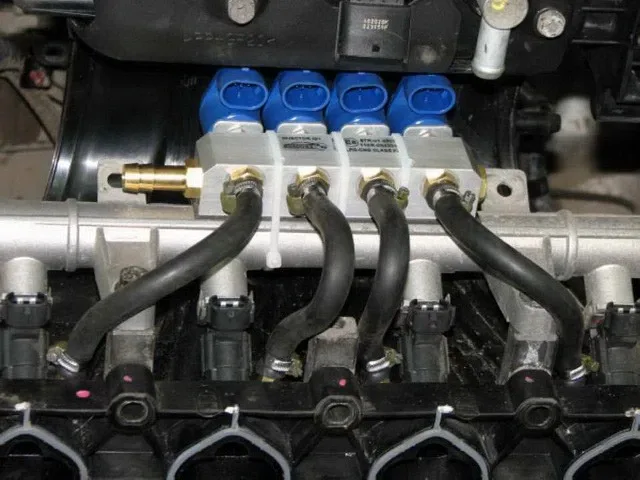
Преимуществ у системы ГБО четвертого поколения несколько. Например, автоматический переход двигателя с газового на бензиновое топливо. При правильной настройке ГБО, водитель практически не замечает перехода с газа на бензин и обратно. Разница в расходе газа (по сравнению с бензином) не превышает 10-20%.
Сегодня это самое популярное и выгодное оборудование для бензиновых моторов с распределенным впрыском топлива.
Пятое поколение, это система «Жидкого фазированного распределённого впрыска».
Отличие от ГБО четвертого поколения в том, что 5 поколение впрыскивает в цилиндры газ в жидком состоянии. Для этого в баллоне имеется газонасос, обеспечивающий прохождение газа в жидкой фазе из баллона (по рампам газовых форсунок) и излишков назад в баллон.
Топливные карты и ЭБУ двигателя применяются штатные. Могут вноситься лишь незначительные изменения для адаптации газовой системы к бензиновой топливной карте. В пятом поколении используются дополнительные форсунки и рампа.
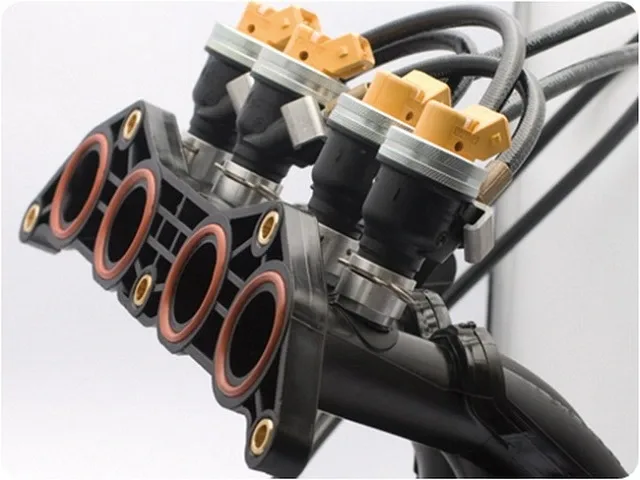
Бытует мнение, что в случае с пятым поколением, есть возможность запускать двигатель на газе, да и расход идентичен растратам бензина. Но это не совсем так, считают в компании AUTOGAS CENTER:
«Системе нужно время для прокачки газа и удаления воздуха из системы, это около 30-40 секунд (в зависимости от того, как долго стояла машина). Но все равно это время намного меньше, чем прогрев двигателя в 4-м поколении, и оно не зависит от температуры воздуха (зима-лето). Расход - +10-20%, по сравнению с ездой на бензине», - развеивает мифы специалист Павел.

Шестое поколение. Да, оно тоже уже существует! В этом случае топливные рампы, форсунки и штатный бензиновый контроллер автомобиля остаются родными без каких-либо переделок.
Недостаток фактически один - чувствительность к чистоте газа. Стоимость также можно отнести к недостаткам, однако, как известно после запуска в массовое производство цена может значительно снизится. Отметим, установка 6-го поколения возможна только на двигатели с прямым впрыском топлива.
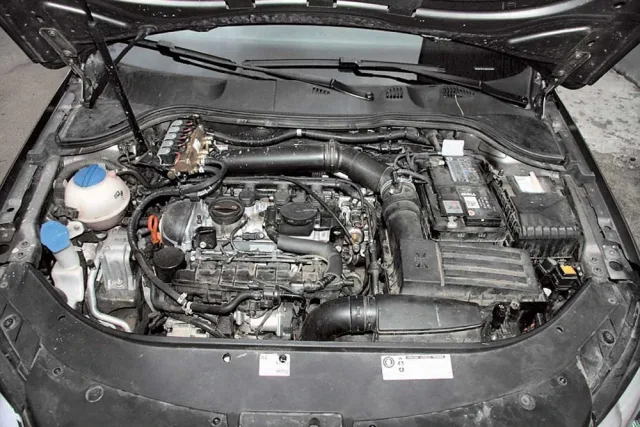
Сегодня предложения по установке ГБО 5-го и 6-го поколения в Украине уже есть, хотя их маловато. И это логично - качественный газ у нас тоже попробуй отыскать...
Всегда ли переплата оправдана?
Наиболее распространенные сегодня системы четвертого поколения. По ним легче всего отследить среднюю стоимость оборудования и установки.
Заметим, что разница в цене (зависимо от производителя) колеблется в пределах 5-10%. Основная разница может набежать за счет стоимости установки и настройки. Но! Именно от установки и настройки будет зависеть, насколько качественно и долго будет работать ваш двигатель...
Цена стоимости оборудования напрямую зависит от количества цилиндров в двигателе. Так как на каждый цилиндр ставится отдельная форсунка. Вполне логично, что за четырехцилиндровый мотор цена будет одна, а за восьмицилиндровый - другая. Кроме того, играют роль и возможности форсунок. Чем больше объем цилиндра, тем больше должно быть проходное сечение форсунки. Будет выше и цена.
Часто можно услышать, а выгодно ли ездить на газе? Ответ однозначный, выгодно. Но вот насколько, это уже второй вопрос. Ответить на него можно самостоятельно. Для этого нужно знать стоимость установки ГБО, стоимость бензина и газа. Не помешает калькулятор.
Для примера рассчитаем окупаемость ГБО для двух разных автомобилей. Первый имеет четырехцилиндровый двигатель объемом 1,6 л, а второй 4,8 л и 8 цилиндров. Средний расход бензина в первом 10 л/100 км, во втором 20 л/100 км. Стоимость установки 8 500 грн и 16 000 грн соответственно. Стоимость бензина берем 16,3 грн., а газа - 8,9 грн. Будем учитывать, что потребление газа может быть примерно на 10% больше, чем бензина.
На 100 км пробега автомобиль с двигателем 1,6 потратит 10 л бензина или 163 грн, газа 11 л или 97,9 грн., то есть разница составляет 65,1 грн. Это та самая сумма, которую вы экономите. Но нужно еще вернуть деньги за установку. Делим 8500 грн. на 65,1 грн. и умножаем на 100 км. При таких ценах и при таком расходе топлива за 1 3000 км установка окупится. Дальнейший пробег будет вам экономить 65 грн. каждую сотню километров.
По той же схеме пересчитываем автомобиль с мотором 4,8 л и получаем разницу в стоимости пробега 130,2 грн., а окупаемость ГБО - за 12288 км.
Насколько много вы ездите напрямую влияет на срок окупаемости в месяцах, днях, годах.
Что делать, если повышен расход или неравномерная работа мотора на газе?
Определить, насколько хороши установщики ГБО, «на глазок» не получится. В идеале у них должен быть сертификат, показывающий уровень их профессиональности и умение установки данного оборудования. Причем стоит внимательно изучить, кому он выдавался. Вам могут предъявить сертификат другой компании, выдав его за свой.
Неплохо, если сервис рекомендован кем-либо из ваших знакомых или друзей. Если они не имеют проблем с ГБО, установленным конкретным сервисом, то и вы, скорее всего, будете удовлетворены его услугами.
Место установки ГБО
Любые газовые баллоны имеют солидный запас прочности. Во всяком случае, если их сравнивать с бензобаком, то этот запас более, чем десятикратный. Без проблем можно установить баллон и под днищем автомобиля вместо запаски. Для перестраховщиков достаточно установить дополнительную защиту, по примеру тех, что ставят под двигатель. Этого будет более чем достаточно для спокойствия за рулем. Вероятность повреждения баллона и возгорания автомобиля с газом очень невелика, но при условии, что система исправна, и все предохранительные клапаны в рабочем состоянии. Поэтому и надо следить за системой, проходить плановое техобслуживание.
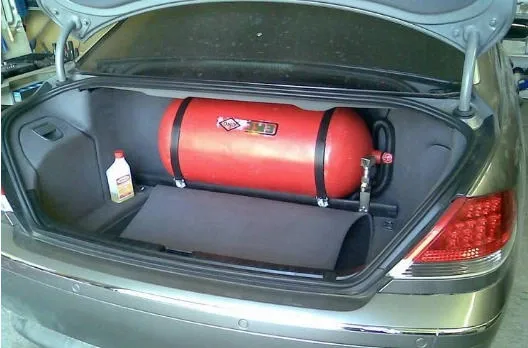
Одной из самых распространенных ошибок является заправка баллона без технического запаса свободного пространства в холодное время года. После прогрева происходит повышение давления до критических величин, разгерметизация баллона и последующий взрыв. Поэтому никогда не заправляйте баллон полностью. Кроме того, все баллоны имеют граничный срок службы. По его окончанию они должны обязательно пройти переосвидетельствование. Система газопроводов в машине должна регулярно проходить ТО на предмет выявления утечек и проведения профилактики.
Если рассмотреть зафиксированные случаи взрывов, то практически все они произошли по причине несоблюдения правил безопасности.
В следующий раз мы расскажем, можно (и нужно ли) ставить ГБО на малолитражные двигатели, как оборудовать домашние газовые заправки, и какова реальная потеря мощности при установке ГБО.