Как для тех, кто уже переобулся, так и для тех, кто затянул (поздновато уже) магазин шин и дисков подготовил статью о хранении, эксплуатации и выборе зимних шин.
Хранение летних шин
Купив зимние шины, нужно не забыть и о летних – чтобы сохранить их в целости и сохранности до следующего сезона:
1) Тщательно помойте и насухо протрите резину. По возможности, обработайте консерватором-аэрозолем, замедляющий процесс «старения» резины.
2) Поместите каждую шину в пакет или чехол.
3) Для хранения резины выбирайте сухое темное место. Желательно, чтобы в месте хранения температура воздуха не опускалась ниже 0С.
4) Шины без дисков храните в вертикальном положении (не складывайте друг на друга!).
5) Шины с дисками укладывайте «колодцем» (горизонтально) или в подвешенном положении, но не вертикально. Рекомендуется на 50% сдуть шины.
Тесты зимних шин 2014/2015
На сей раз предлагаем вашему вниманию результаты испытаний экспертов всемирно известного испытательного полигона Test World. В свежем рейтинге зимних шин присутствуют новые модели зимних покрышек размера 205/55 R16.
Фрикционные покрышки
1-2 места: 8,2 балла. Goodyear UltraGrip Ice 2
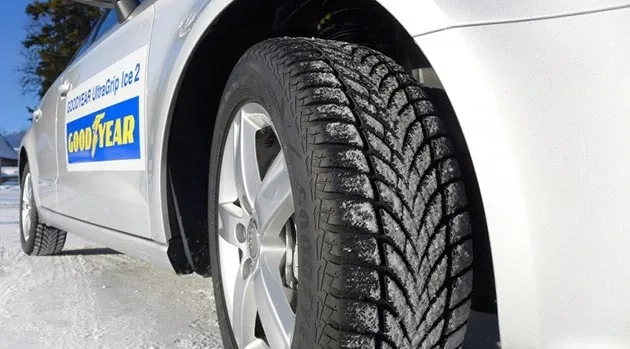
Хороша на снегу, льду и мокром асфальте. Низкий уровень шума
1-2 места: 8,2 балла. Nokian Hakkapeliitta R2
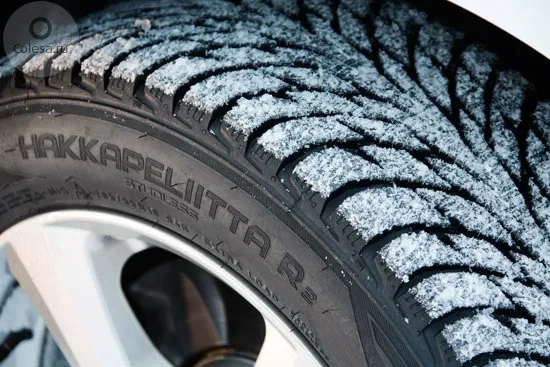
Лучшее сцепление на снегу и льду – даже лучше, чем у некоторых шипованных шин! Из минусов - слабовата на мокром асфальте
3-4 места: 7,8 балла. Continental ContiVikingContact 6
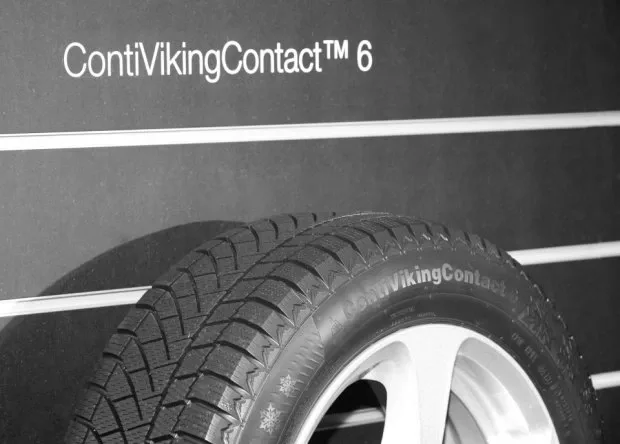
Неплохие показатели на сухом покрытии и на снегу, посредственные - на мокром асфальте.
3-4 места: 7,8 балла. Michelin X-ice Xi3
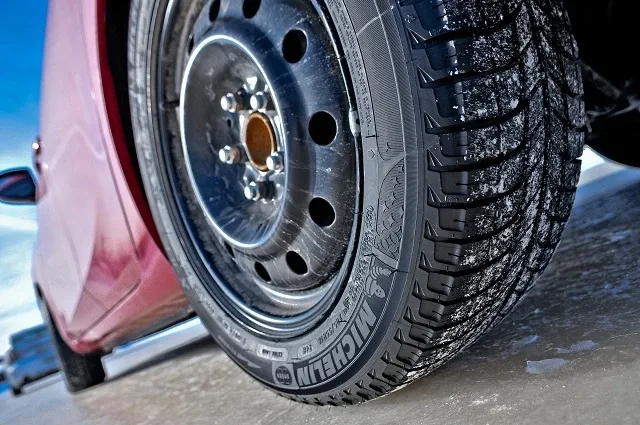
Хороши на снегу и льду, но не самые лучшие на асфальте и уступают лидерам рейтинга по сопротивлению качению.
5 место: 7,7 балла. Maxxis SP02 ArcticTrekker
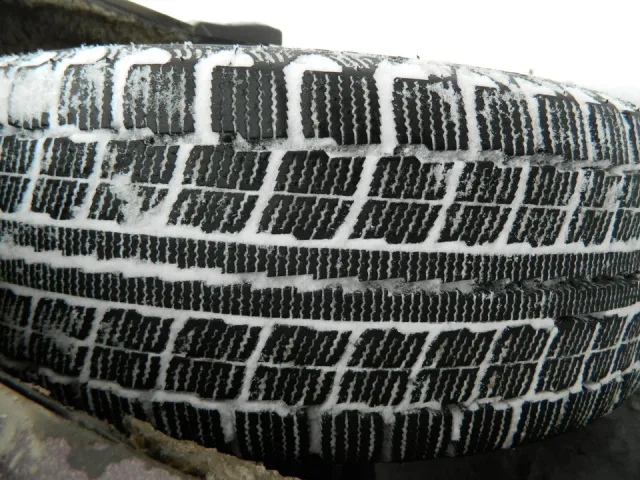
Китайские шины Maxxis приятно удивили тест-пилотов на снегу и мокрой дороге. Как для своей цены, очень неплохие покрышки.
6 место: 7,3 балла. Bridgestone Blizzak WS70
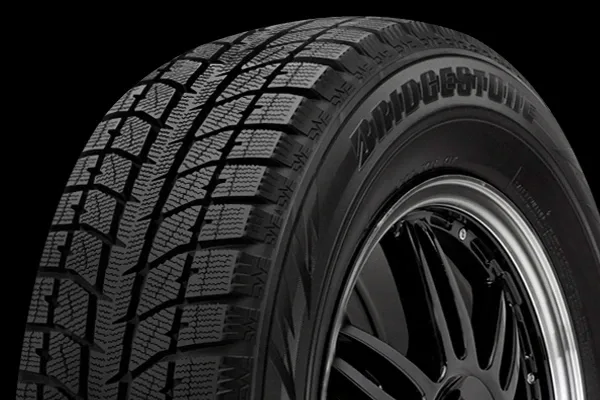
Неплохое поведение и торможение на снегу и льду, но по сравнению с конкурентами – на среднем уровне. Слабые на сухом асфальте – есть склонность к заносам.
7-8 места: 7,2 балла. Pirelli Winter IceControl
Отличное поведение на снегу, посредственные показатели на льду.
7-8 места: 7,2 балла. Sailun Ice Blazer WSL2
Одни из лучших показателей на снегу, средние – на льду. Не самые лучшие шины и на асфальте – как на сухом, так и на мокром.
9 место: 6,8 балла. Dunlop SP Ice Sport
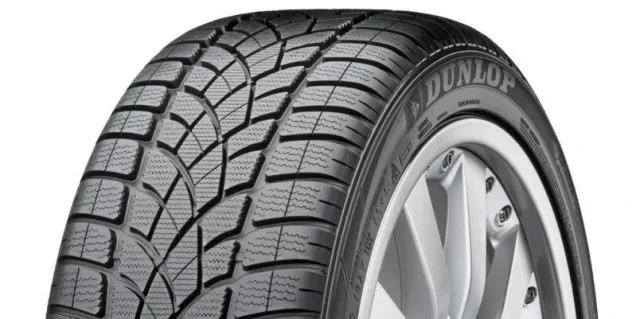
Откровенно слабые на льду. Хороши на мокром асфальте. Шумные
10 место: 6,7 балла. Vredestein Nord-Trac 2
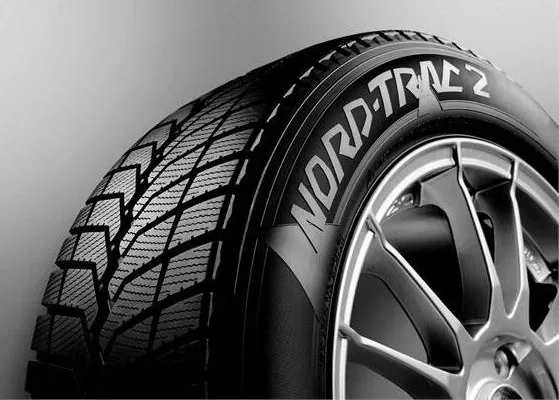
Хороши на мокром асфальте, но слабы при разгоне на льду. Не лучшая курсовая устойчивость.
Шипованные шины
1 место: 8,8 балла. Nokian Hakkapeliitta 8
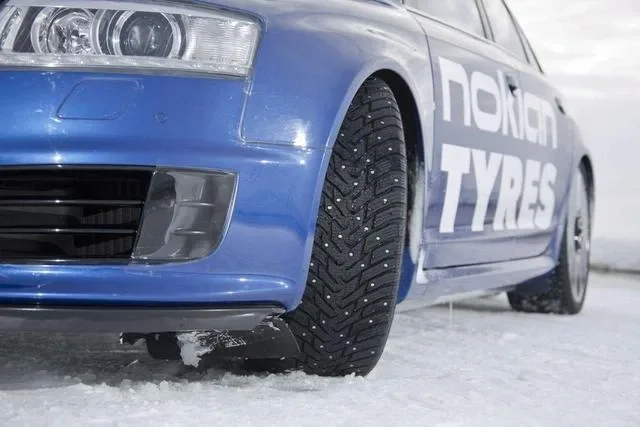
Лучшие шипованные шины по всем параметрам. Из слабостей - торможение на мокрой дороге и курсовая устойчивость.
2-3 места: 8,6 балла. Continental ContiIceContact
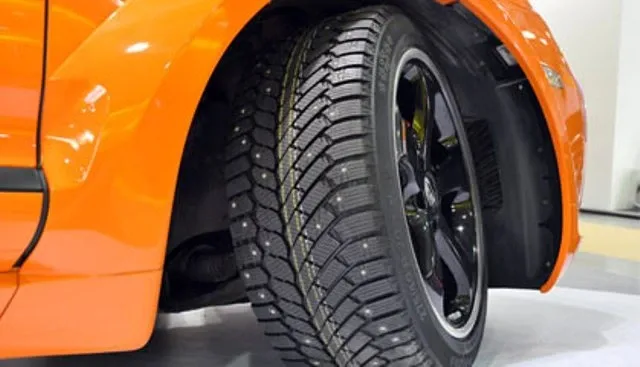
Отличные показатель на льду. Слабоваты на снегу. Шумнее лидера рейтинга.
2-3 места: 8,6 балла. Pirelli Ice Zero
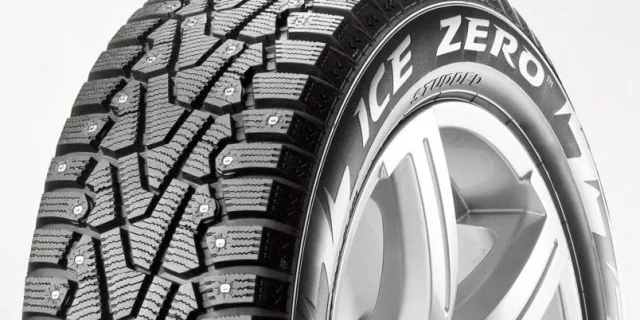
Хорошая устойчивость. Не лучшее торможение на мокром асфальте. Шумные.
4 место: 8,4 балла. Goodyear UltraGrip Ice Arctic
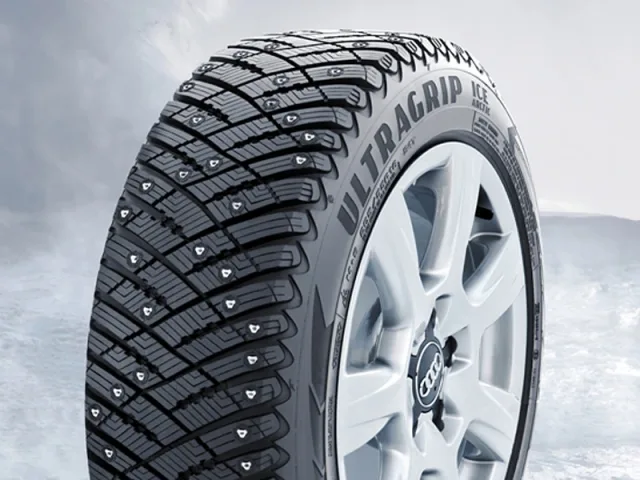
Без явных недостатков, но и без явных преимуществ в определенных дисциплинах.
5 место: 8,3 балла. Gislaved Nord*Frost 100
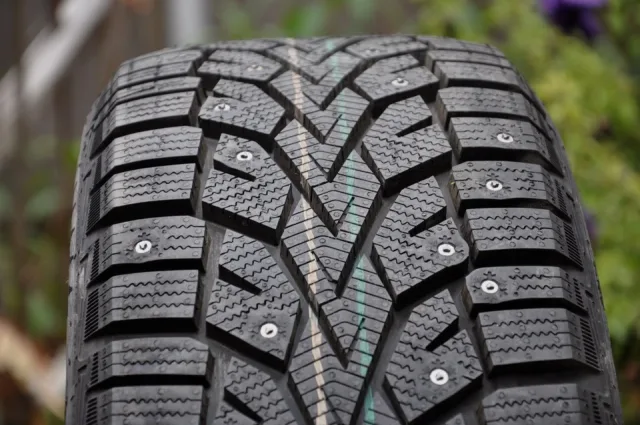
Хороши на снегу и мокром асфальте. Из минусов - довольно длинный тормозной путь на сухом асфальте и высокое сопротивление качению.
6 место: 8,1 балла. Hankook Winter i*Pike RS W419
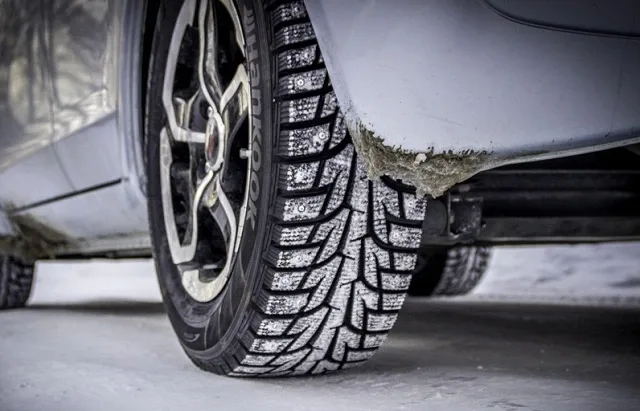
Довольно неплохие на снегу и мокром асфальте, средние – на льду.
7 место: 8,0 балла. Dunlop Ice Touch
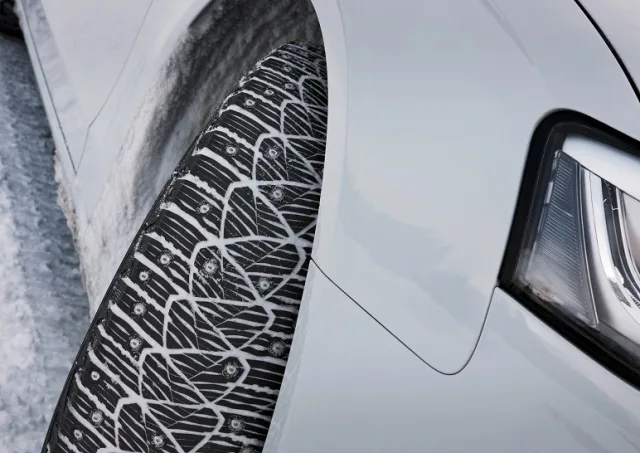
Не самые лучшие на льду и сухом покрытии, но одни из лучших на мокром асфальте.
8 место: 7,9 балла. Michelin X-Ice North 3
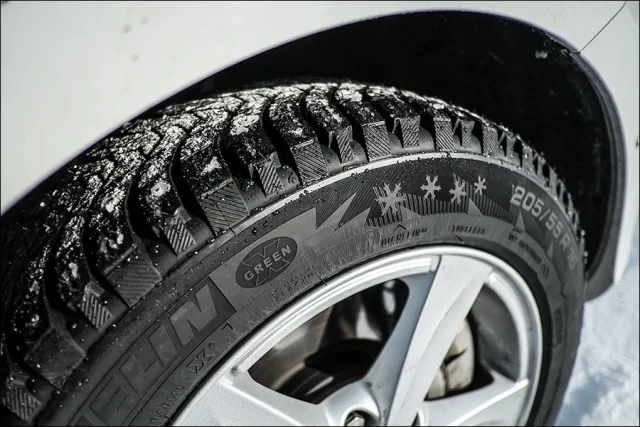
Хороши на сухом и мокром асфальте, тихие. Посредственные результаты на снегу и на льду.
9 место: 7,7 балла. Bridgestone Blizzak Spike-01
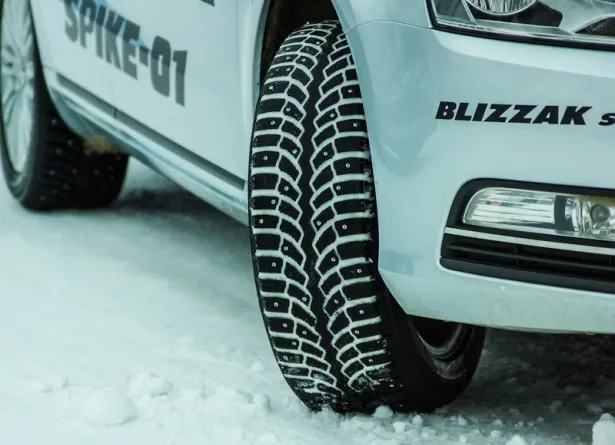
Высокоэффективны на снегу, довольно неплохие на сухом асфальте. В остальном – «середнячок».
10 место: 7,5 балла. Vredestein Arctrac
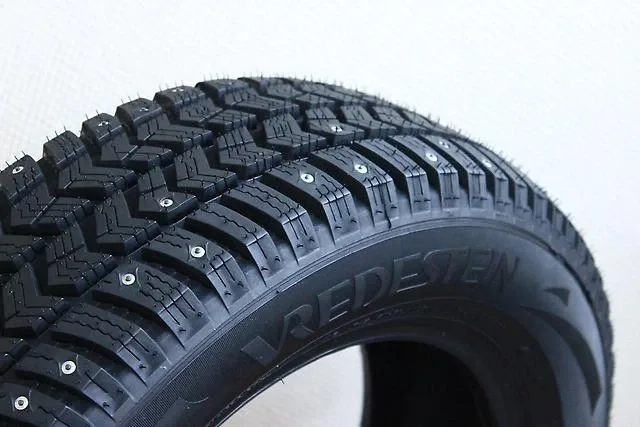
Хороши на льду. По остальным параметрам - «удовлетворительно».
Эксплуатация зимних шин
Учитывайте результаты тестов зимних шин. Иногда дорогие покрышки могут быть ненамного лучше более доступных по цене. Чтобы покрышки дольше прослужили и были эффективны в условиях зимы необходимо:
1) Проверять давление в шинах каждые три недели. Зимой уровень давления должен быть на 0,2 бара выше, чем летом.
2) Для равномерного износа шин проводить их ротацию (переставлять с передней оси на заднюю и наоборот) один раз за сезон.
3) Устанавливать менее изношенные шины на ведущую ось автомобиля – для надежного поперечного сцепления.
4) Приобрести новые шины, если остаточная глубина протектора достигла менее 4 мм и/или срок эксплуатации шин достиг 6-ти лет.
5) Обеспечивать правильное сезонное хранение шин.
Надеемся, эта информация поможет вам продлить срок эксплуатации зимних шин и будет актуальной при выборе зимних шин, если вы их еще не купили…