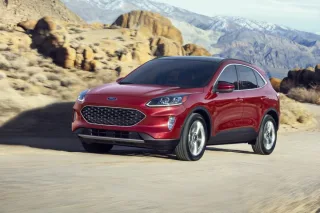
Для начала стоит разобраться, какие бывают люки и частично открывающиеся крыши в автомобилях. Оказывается, их существует гораздо больше разновидностей, чем можно подумать.
Достоинства и недостатки разных типов люков и крыш
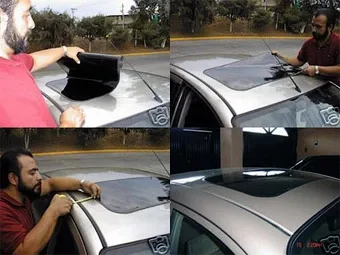
Подъемный люк. Это самый распространенный вариант для установки своими силами. У таких люков задняя часть стекла приподнимается при помощи рычага, поворотной рукоятки или кнопки.
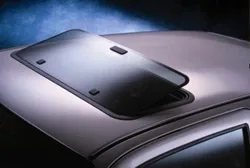
|
Плюсы
Минусы
|
На новых машинах подъемные люки встретишь нечасто. В основном они попадаются на бюджетных авто или поддержанных, список которых есть в каталоге б/у автомобилей.
Интегрированный сдвижной люк. Такой люк обычно ставится прямо на конвейере. Он уезжает в пространство между крышей и потолочной обивкой. Привод бывает механическим (поворотная ручка) или электрическим.
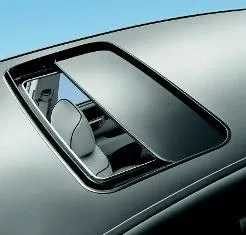
|
Плюсы
Минусы
|
Интегрированные люки довольно популярны на современных авто. По сути, почти все новинки — от BYD F3 до Audi A5 — могут ими оснащаться.
Сдвижной люк. У таких конструкций задняя кромка стекла сначала поднимается, а затем стекло уезжает назад по внешней стороне крыши. Привод — механический (поворотная ручка) или электрический.
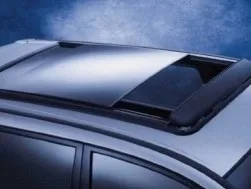
|
Плюсы
Минусы
|
Сдвижные люки встречаются довольно редко. Чаще всего их монтируют самостоятельно. В середине 2000-х этот тип был доступен на Audi A3 и BMW 3-й серии в кузове универсал, и то лишь в максимальных комплектациях и за отдельную плату.
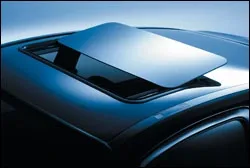
Подъемно-сдвижной люк. Похож на сдвижной, но стекло после подъема задней кромки движется по направляющим назад под углом к поверхности крыши. Привод — механический (поворотная ручка) или электрический.
|
Плюсы
Минусы
|
Самый известный пример автомобиля с таким люком — Hyundai Coupe предпоследнего поколения. Сейчас похожая схема используется в новой Hyundai Sonata.
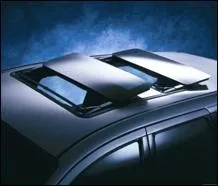
«Двойной» сдвижной люк. Конструкция состоит из двух стекол, расположенных друг за другом. Переднее обычно сдвигается, а заднее — стационарное. Хотя встречаются варианты, где оба стекла подвижные.
|
Плюсы
Минусы
|
Двойной люк — большая редкость для новых авто, где теперь чаще используется панорамный. А вот раньше такой вариант предлагался на Mercedes E-класса (W211) и Subaru Outback. Из современных машин можно вспомнить UAZ Patriot, у которого два люка открываются вручную.
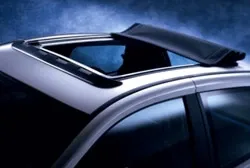
Складной люк. По сути, это каркас, обтянутый непромокаемым материалом. При открывании он сдвигается назад и собирается складками у заднего края проема.
|
Плюсы
Минусы
|
Матерчатые люки практически исчезли. Разве что на некоторых суперкарах есть что-то похожее, хотя и с оговорками — на Bugatti или Lamborghini панели скорее снимаются, а не складываются.
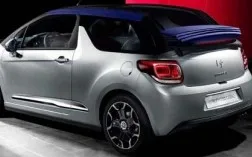
Складная крыша. Конструкция похожа на складной люк, но позволяет превратить автомобиль в «почти кабриолет».
|
Плюсы
Минусы
|
Такие крыши чаще всего встречаются на стильных компактных моделях вроде Fiat 500 или Citroen DS3. Из тех, что уже сняты с производства, стоит вспомнить Citroen C3 Pluriel.
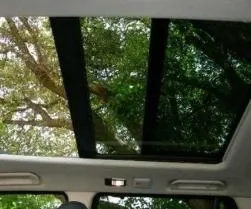
Панорамный люк. Он создает ощущение нахождения под открытым небом (если шторка открыта). В зависимости от модели и комплектации может приподниматься или полностью сдвигаться.
|
Плюсы
Минусы
|
Сейчас все чаще появляются новые авто с панорамными люками. Преимущественно это машины дороже $25 000. Чаще всего — кроссоверы, премиальные седаны и минивэны. Также стоит вспомнить предыдущую Honda CR-V, у которой задняя панорамная крыша состояла из двух частей, раздвигавшихся в стороны, но режима проветривания у нее не было.
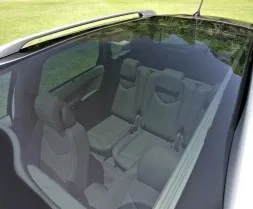
Панорамная крыша. Дает то же ощущение открытого неба, что и панорамный люк. Вот только открыть ее нельзя никак.
|
Плюсы
Минусы
|
Панорамные крыши часто встречаются на хетчбеках, микровэнах и небольших кроссоверах. Особенно это популярно у европейских марок.
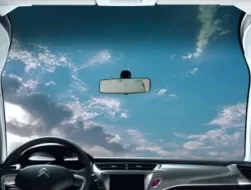
Панорамное стекло. Чаще всего такое стекло можно увидеть на автомобилях Opel (Meriva, Astra J) и Citroen (С3, С4 Picasso). У Citroen эта опция называется Zenith.
|
Плюсы
Минусы
|
О скрытых недостатках
Пожалуй, каждый водитель знает, что любой люк может начать течь. Вода всегда найдет лазейку. Но у «дыр» в крыше есть и другие минусы, о которых мало кто задумывается.
Плохие дороги. Сколько бы автопроизводители ни утверждали, что их люки и панорамные крыши не влияют на жесткость кузова, на наших дорогах эти заверения не работают.
Особенно это заметно, когда люк открыт. При езде по нашим ямам, которые вполне сойдут за бездорожье, механизм изнашивается быстрее, со временем может нарушиться герметичность (начнет подтекать вода) и появятся посторонние шумы. Возможно, именно поэтому машины с панорамными крышами так поздно добрались до Украины — в США и Европе они продавались уже давно, а у наших официальных дилеров появились всего 7-8 лет назад.
Пыль и грязь. В Украине дороги не только плохие, но и грязные. Да и с уборкой мусора — листьев, песка и прочего — в стране проблемы. Для люков это плохо.

Со временем мусор буквально забивается в труднодоступные места конструкции, что может привести к тем же последствиям или даже к поломке электрического привода, если он есть. Усугубляет ситуацию то, что вытащить листья или песок может быть сложно и дорого.
Зима. В сильные морозы люки начинают поскрипывать и издавать раздражающие звуки. Впрочем, после дождя шумы тоже не исключены.
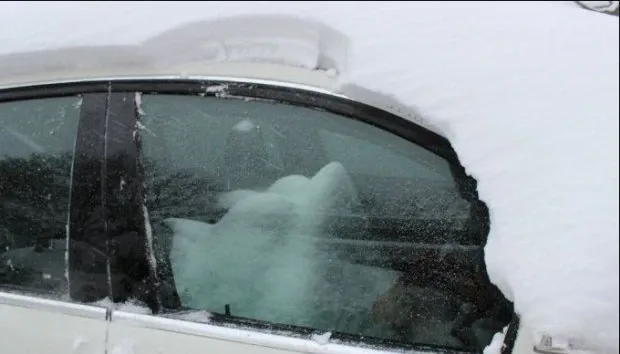
Для тех, кто ценит тишину в салоне и не терпит «сверчков», это важный момент.
Ремонтопригодность. Если говорить о панорамных люках и крышах, которые сами по себе дорогие, владелец может столкнуться с серьезными расходами при замене, если на машину сверху упал камень или, например, прошел сильный град.
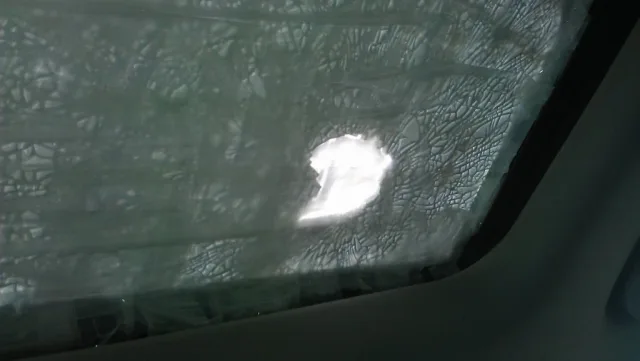
Замена люка или крыши обойдется дороже, чем «вытягивание» металла.
Бесполезность панорамной крыши. Рекламные проспекты рисуют нам восторг от неба над головой и захватывающие виды на горы при езде по серпантинам. Забудьте. Так не выйдет.

Причина проста. Почти на всех автомобилях (кроме дорогих) стеклянная крыша нагревается. Не сильно, но достаточно, чтобы в жару голова водителя или пассажира «кипела». В итоге крыша закрывается защитной тканью, и машина превращается в авто без «панорамки». Зимой? Вряд ли получится любоваться Карпатами, ведь снег засыплет крышу. Да и холодком тянуть будет. Осенью — листья... Вывод: плюсы панорамной крыши сводятся к возможности подъехать к светофору так, чтобы видеть сигнал снизу, и к наблюдению за звездами теплым летним вечером.
ДТП. Вряд ли каждый читатель может позволить себе Mercedes-Benz, почти все модели которого оснащены системой Pre-Safe. При аварии она автоматически закрывает люк. А если такой системы нет, а люк открыт? А если это панорамный люк на всю крышу? А если задние пассажиры не пристегнуты, что в нашей стране скорее норма, чем исключение?
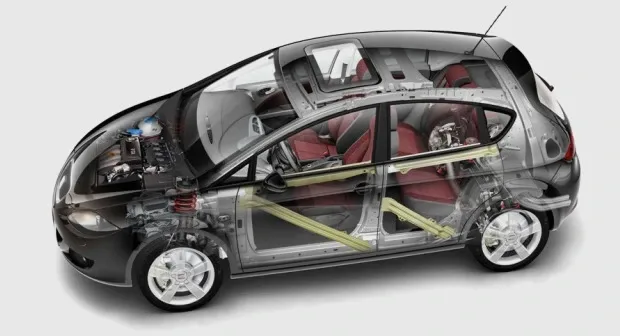
Таких «а если» можно придумать много, но в любом случае не стоит забывать о худшей безопасности машин с «дырами» в потолке.
Забывчивость. Казалось бы, мелочь, но нет. Некоторые водители иногда забывают закрыть или хотя бы прикрыть люк.
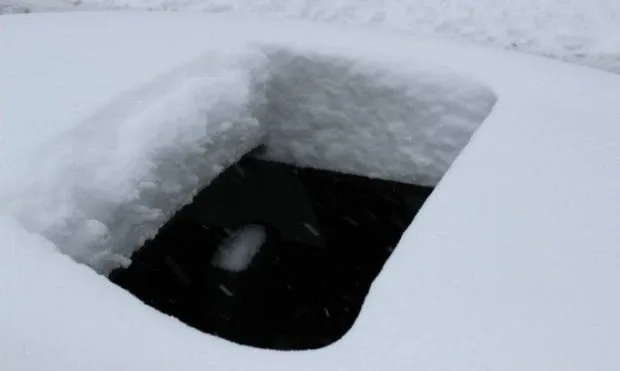
И, конечно, по закону подлости, именно в этот день пойдет дождь или снег. Чем это грозит, объяснять не нужно.
Если достоинств больше
Каждый водитель решает сам, что ему важнее — панорамный люк или ароматизатор воздуха, хром-пакет или антикрыло. Это личное дело, ведь недостатки и достоинства в какой-то степени субъективны. Если вы все же решите купить авто с «дырой» в крыше, помните основные рекомендации:
- Не ездите с открытым люком по бездорожью. Это создает дополнительную нагрузку на механизм и в итоге приведет к появлению шумов или поломке узла.
- Очищайте механизм от мусора. Это продлит срок службы и предотвратит протечки и/или заедание
- Чтобы уплотнители оставались эластичными, смазывайте их глицерином раз в 3-4 месяца
- Время от времени ухаживайте за механизмом открывания/закрывания люка. Подойдут смазки, силикон и другие смазочные материалы.
- Люк желательно как можно чаще держать открытым (исключение — бездорожье). Это избавляет стекло и резиновое уплотнение от избыточной деформации
Если говорить о стоимости установки люка после покупки авто, это удовольствие может стоить от 100-150 долларов (за самый простой люк, с работой) до 1000 долларов за врезку панорамного люка. Если заказывать люк или панорамную крышу как опцию, цены начинаются от 250-300 долларов и доходят до нескольких тысяч, в зависимости от модели и производителя. Например, доплата за панорамный люк для Audi Q5 составляет почти 20 тысяч гривен (в США — $1 500), тогда как новые Nissan X-Trail или Honda CR-V предлагаются с панорамным люком без доплаты, но только в определенных комплектациях, с которыми можно ознакомиться в каталоге новых авто.
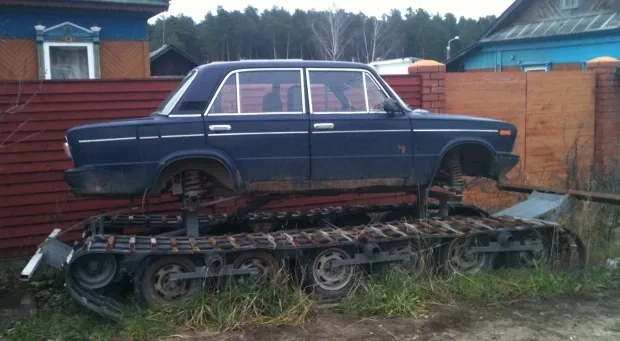
P.S. Самая безопасная и беспроблемная "дыра" в крыше: