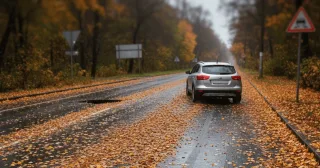
«Безопасность должна быть на первом месте, особенно когда в салоне автомобиля находятся дети. Как правило, подержанные машины не оснащены системой ABS. Также большинство устаревших моделей не оснащены системой курсовой устойчивости автомобиля (ESP). Поэтому качественные шины для подержанных автомобилей даже более важны, чем для новых, укомплектованных электронными системами. По мере износа шины уменьшается глубина канавок протектора, ухудшается сцепление с дорожным покрытием. Соответственно, увеличивается вероятность аквапланирования», – отмечает Матти Морри, директор департамента технической поддержки компании Nokian Tyres.
Затвердевание резиновой смеси
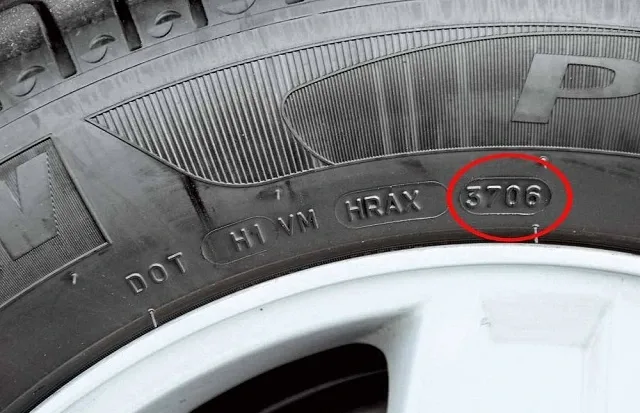
Покупатели как новых, так и подержанных автомобилей всегда в комплекте получают зимние шины. Важно, чтобы размеры, указанные на боковине зимней шины, соответствуют размерам оригинальных летних шин. Важно также обращать внимание на срок годности шины. С годами резиновая смесь затвердевает, что ухудшает свойства сцепления на обледенелом и скользком дорожном покрытии. У каждой шины на боковине есть четырехзначный код, в котором первые две цифры обозначают неделю выпуска, а последние – год. Так, код 3012 указывает, что шина была выпущена на 30-й неделе 2012 года. Эксперты рекомендуют использовать покрышки не старше 6 лет. Но если автомобиль эксплуатируется редко, этот срок может быть продлен и до 10 лет.
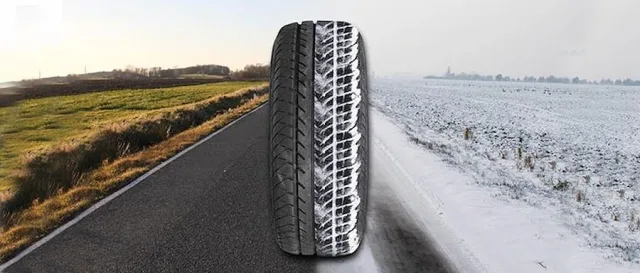
«В зимних шинах премиум-класса используются специальные резиновые смеси, которые сохраняют свои свойства в широком диапазоне температур. Это позволяет обеспечивать одинаково надежное сцепление на скользком, заснеженном и мокром дорожном покрытии», – резюмирует М. Морри.
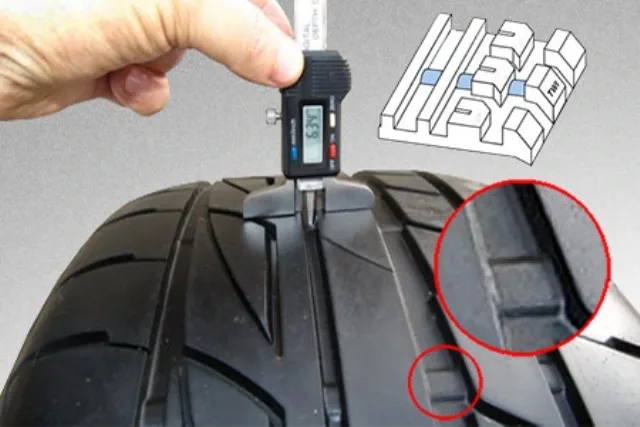
Проверить пригодность шин необходимо до начала зимнего сезона. Остаточная глубина протектора должна быть не менее 4 мм. Перед использованием шипованных шин убедитесь, что все шипы есть в наличии и надежно закреплены.
Правильное давление в шинах
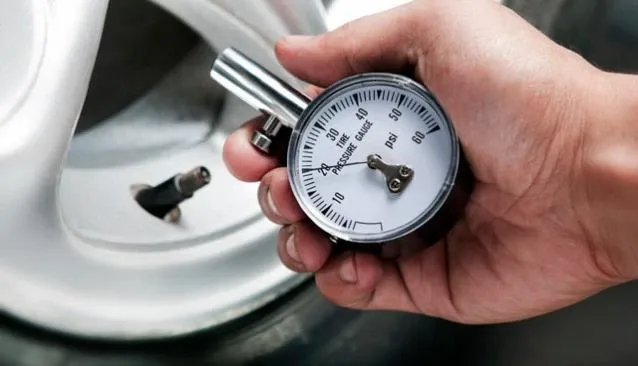
В зимнее время необходимо регулярно проверять давление в шинах. «Это самое важное, на что следует обращать внимание. Уровень давления в шинах рекомендуется проверять раз в 3 недели», – советует М. Морри.
В холодную погоду давление в шинах падает. Зимой уровень давления должен быть на 0,2 бара выше, чем летом. Правильное давление в шинах обеспечивает наиболее оптимальное сцепление с дорогой и управляемость автомобилем.
Следует помнить, что в переднеприводных автомобилях нагрузка на передние колеса несколько интенсивнее, чем на задние. Поэтому шины на передних колесах изнашиваются быстрее. Специалисты рекомендуют периодически переставлять шины с передней оси на заднюю. Это позволит обеспечить равномерный износ протектора шин, а значит, увеличить безопасность и комфорт вождения.
Для большей безопасности на дорогах устанавливайте лучшую пару шин на ведущую ось автомобиля. Тем самым вы улучшите управляемость автомобиля в экстремальных условиях.
Рекомендации по уходу за зимними шинами
- В целях безопасного управления на дорогах даже для подержанного автомобиля покупайте высококачественные зимние шины, протестированные в условиях суровой северной зимы.
- Проверяйте размер, дату изготовления, глубину канавки протектора и состояние шипов на шинах.
- При остаточной глубине канавки протектора менее 4 мм или интенсивной эксплуатации шины более 6 лет необходимо приобрести новые зимние шины.
- Проверяйте давление в шинах каждые 3 недели. При этом зимой уровень давления должен быть на 0,2 бара выше, чем летом.
- Проводите ротацию шин, переставляйте их местами с передней оси на заднюю и наоборот, как минимум, один раз за сезон. Это обеспечит равномерный износ шин.
- Не забывайте о сезонном хранении шин. Хранить шины следует в прохладном, темном, хорошо проветриваемом помещении, где исключен контакт с химическими веществами.
- Всегда устанавливайте менее изношенные шины на ведущую ось автомобиля. Это позволит обеспечить надежное поперечное сцепление с дорожным покрытием в экстремальных условиях.
Каким испытаниям подвергают зимние шины перед запуском в производство, расскажет наш видео-репортаж из Финляндии: