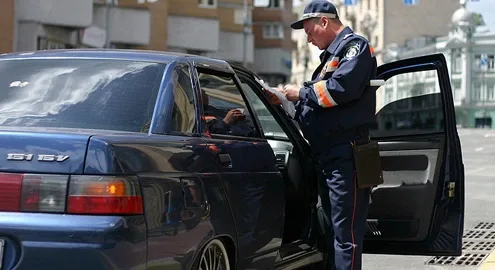
Предполагается, что данные изменения коснутся в первую очередь системы наказаний за нарушения.
Лимит нарушений – 150 баллов
Всего для участников дорожного движения сделают три вида наказания: предупреждения, штрафные баллы и штрафы. Предупреждения будут распространяться лишь на пешеходов. Для водителей же предусмотрено два последних вида. Каждому автолюбителю в год будет начисляться по 150 баллов – так называемый лимит на нарушения. В зависимости от нарушения МВД предлагаетcя отнимать от 20 до 50 баллов (см. инфографику ниже).
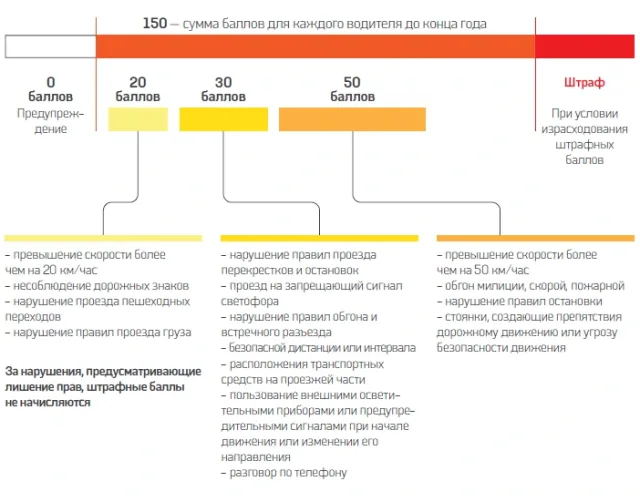
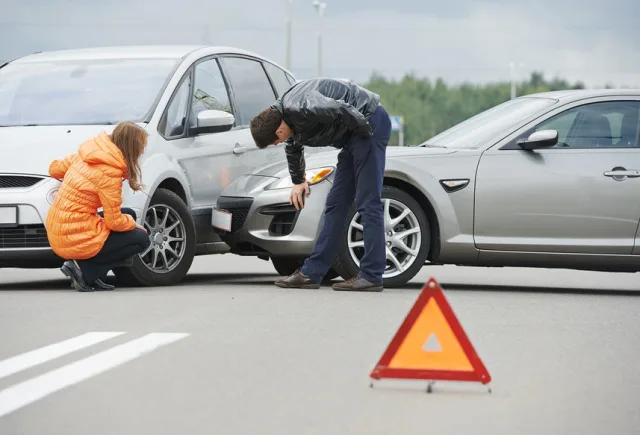
Если же все имеющиеся баллы израсходуются меньше чем за год, тогда будет выписываться штраф. Правда, данная система не распространяется на случай ДТП - его виновнику придется сразу заплатить штраф в размере сорока необлагаемых минимумов. Тоже самое касается и вождения в нетрезвом виде, скрытия с места аварии и других нарушений, за которое предусмотрено лишение прав или уголовная ответственность.
Сами же штрафы останутся неизменными. Разве что исчезнет так называемая «вилка», по которой сотрудники ГАИ сами определяют размер штрафа. Так, если на сегодняшний день за неправильный обгон предусмотрен штраф от 425 до 510 грн, то после принятия новой системы – только минимум, то есть 425 грн.
Как будут штрафовать
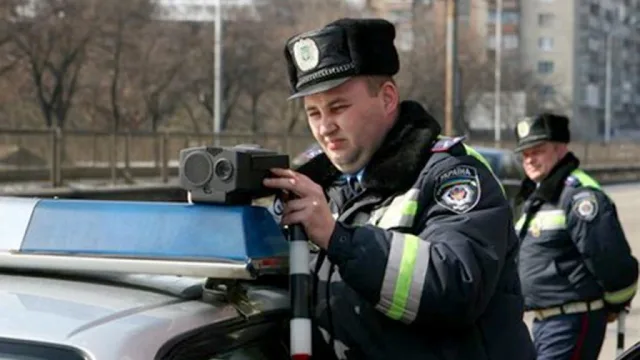
Если нарушение зафиксировала камера наблюдения – штрафные баллы накладываются на владельца авто, в другой ситуации (имеется ввиду остановка патрульным инспектором) - непосредственно на водителя. В первом случае - присылается соответствующий протокол по месту жительства, во втором – полицейский печатает или отправляет водителю (смс, письмо по электронной почте) протокол-квитанцию с помощью планшетного компьютера, у которого будет доступ ко всей информации о водителе, включая его «штрафную историю». Если водителю уже полагается штраф, он может его оплатить у патрульного через терминал или в течение 15 дней через банк. Оспорить штраф можно у должностного лица полиции, которое «стоит выше», чем сотрудник, выписавший протокол. На все про все – 10 суток. Позже – только через прокуратуру.
По мнению экспертов, данная система заработает не сразу, а если и так – то с "пробуксовками". К примеру, проект электронного реестра автовладельцев до сих пор не окончен. Посему идея об отправке через сеть сообщений и писем о снятии баллов и штрафах не реализуемая, хотя и выглядит привлекательно, считают аналитики.