Volkswagen Polo: prices and specifications
11 generations Country of origin: Germany

Volkswagen Polo: history and model range overview
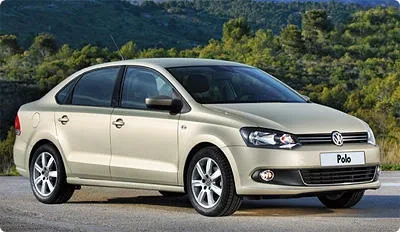
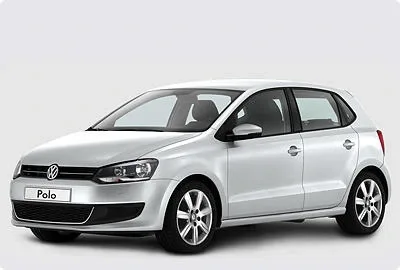
The Volkswagen Polo model dates back to 1975, when it appeared as a more affordable version of the Audi 50. The car's name, like the Golf, is associated with a sport – polo. The first generation was offered in two body styles: a two-door sedan and a three-door hatchback. European buyers highly appreciated the practicality and economy of the Polo, and by the second generation, launched in 1980, it had surpassed the Audi 50 in sales. Moreover, the "second" Polo was already a fully independent Volkswagen development, both in engineering and design. Today, the model is produced in three body styles: three- and five-door hatchbacks, as well as a sedan, which is manufactured at the brand's Russian plant for Eastern European countries.
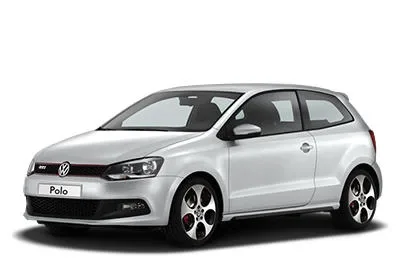
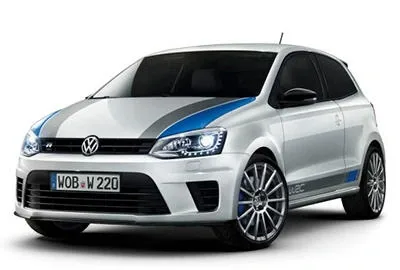
The fifth, current generation Polo was introduced in 2009 at the Geneva Motor Show. In 2010, the "off-road" version CrossPolo appeared. In the same year, Polo was nominated for the first time in its history for the titles "European Car of the Year" and "World Car of the Year" and won both nominations. The car is equipped with six petrol engines with displacements of 1.2, 1.4, and 1.6 liters, as well as three diesel engines with displacements of 1.2 and 1.6 liters. For the Russian version of the Polo Sedan, only petrol engines are available. They are paired with a five- or six-speed manual transmission, as well as a seven-speed robotized gearbox with dual clutch. The Russian Polo Sedan also offers a six-speed automatic transmission with manual shift capability.
The car is built on the upgraded Volkswagen Group PQ25 platform. It features MacPherson strut front suspension and trailing arms at the rear (for the Polo Sedan – a torsion beam). Drive is front-wheel.
History
The first Volkswagen Polo rolled off the assembly line in 1975. Initially, it was called the Audi 50, meaning it appeared as a result of badge engineering. In the Volkswagen model lineup, the Polo became the smallest model and remained so until almost 1998.
The first generation, VW Polo I (Mark 1, type 86), was produced from 1975 to 1981. In 1979, the model was updated: the bumper, radiator grille, headlights were replaced, and changes were made to the dashboard. There were two body styles: a three-door hatchback and a two-door sedan (VW Derby). The car was equipped with petrol engines with displacements of 895, 1083, and 1272 cc.
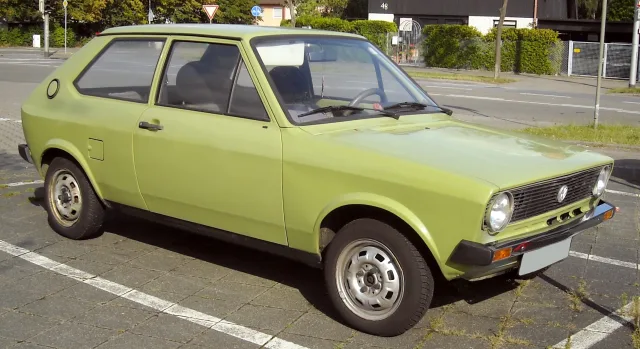
In 1981, the second generation was introduced – Polo Mark II (type 86C). The body structure was changed, and a version with an almost vertical rear pillar appeared, which some called a station wagon. The second generation was produced from 1981 to 1990, not only in Germany but also in Spain, at the SEAT plant. By 1983, one million cars of this model had been produced, and by 1986, two million. The engine lineup was supplemented with three units: petrol 1.0 L, supercharged 1.3 G40, and diesel 1.3 L.
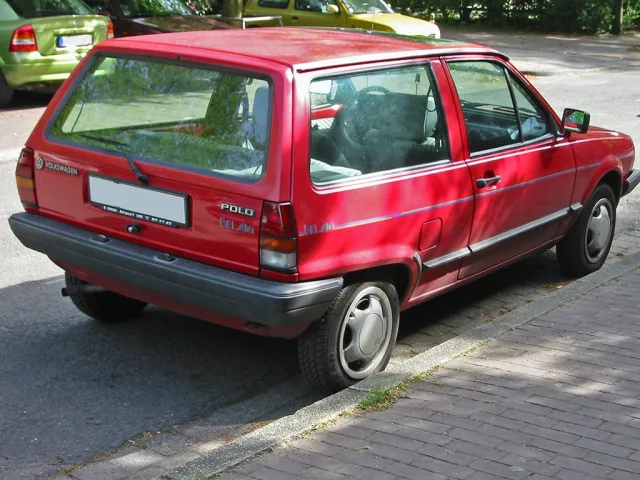
Before the release of the third generation, a facelift was carried out, which affected not only the exterior but also the technical part: the chassis, suspension, and brakes were reworked. New environmental standards led to the appearance of an engine with a single-point injection.
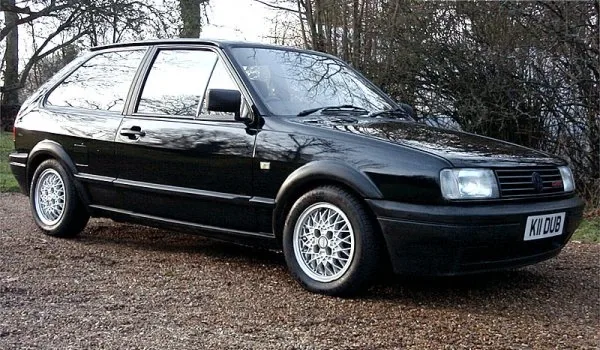
The third generation, Mark III (type 6N), appeared in 1994 and received a new platform, dashboard, and engines. It was unified with the Seat Ibiza and also shared a platform with the third Golf, although there were no common body panels. From 1994, five-door hatchbacks began to be produced. The interior resembled a reskinned Seat Cordoba. In addition to petrol engines from 1.0 to 1.6 (power from 44 to 100 hp), a 1.9-liter diesel with 64 hp appeared. From 1996, the Polo was produced as a sedan under the name Polo Classic, and a year later, a station wagon appeared.
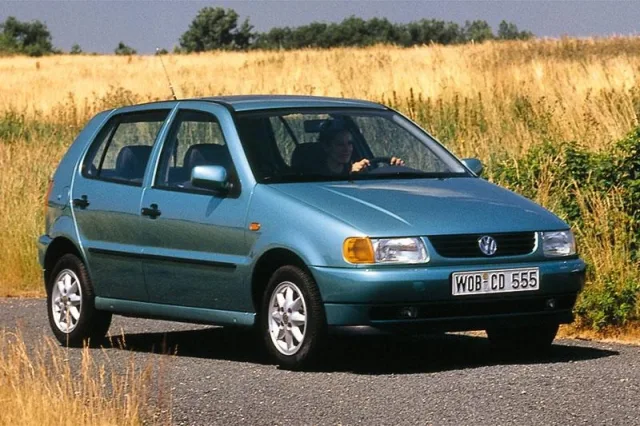
In 1999, a model update was announced, which mostly affected the interior, technical characteristics, and environmental friendliness, rather than the exterior. The body became fully galvanized, some panels were changed, and power steering, ABS, and airbags became standard options. A new three-cylinder 1.4 TDI engine appeared, as well as a 125-hp 16-valve engine for the Polo GTI version.
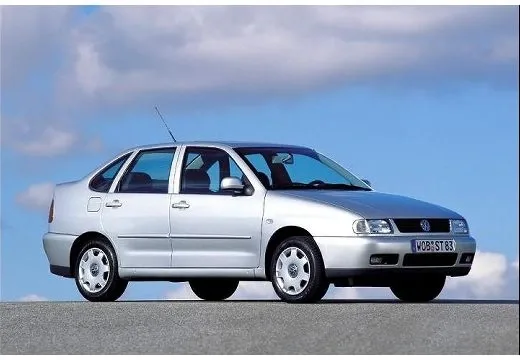
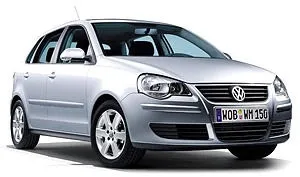
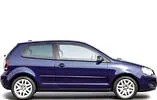
The fourth generation, Polo Mark IV (type 9N), received a radically changed exterior, recognizable by its four round headlights. Compared to its predecessor, everything in the car was new: from the platform (shared base with the third Ibiza and first generations of Skoda Fabia) to the exterior. However, the global changes did not add to the Polo's popularity. Some experts called this generation a failure. Ratings showed that the Polo significantly lost to competitors: Ford Fiesta, Opel Corsa, Renault Clio, and Peugeot 206. The 2005 facelift did not yield positive results. The high-clearance version Cross Polo that appeared at the same time also did not become popular, likely due to its high price.
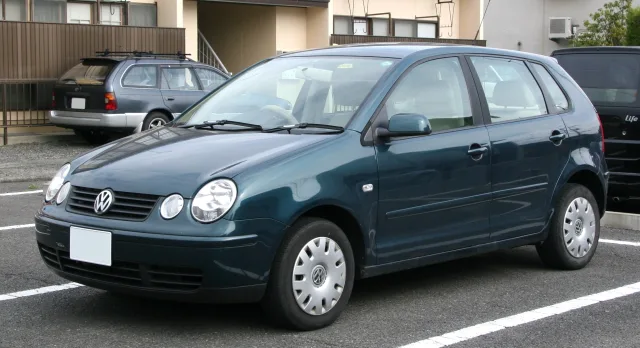
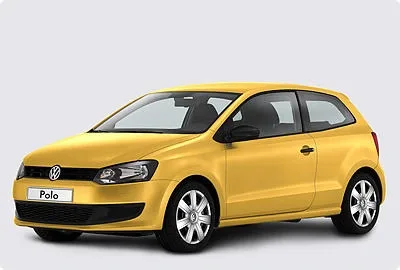
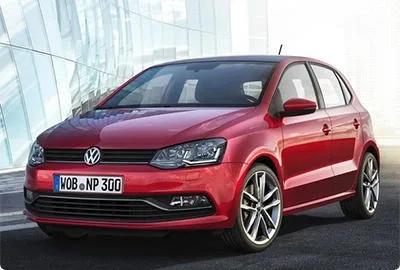
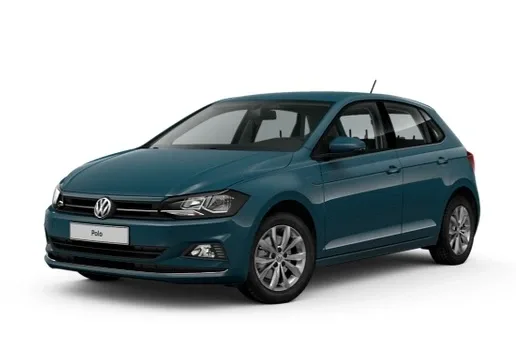
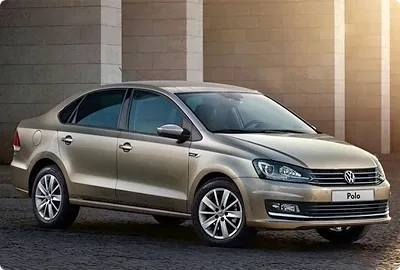
Polo V (type 6R) was introduced in 2009. Already in 2010, it received the title "European Car of the Year 2010". In the same year, the specially developed Volkswagen Polo Sedan for the Eastern European market appeared, created taking into account operating conditions in Russia. This sedan is produced only at the Volkswagen Group Rus plant in the Kaluga region.
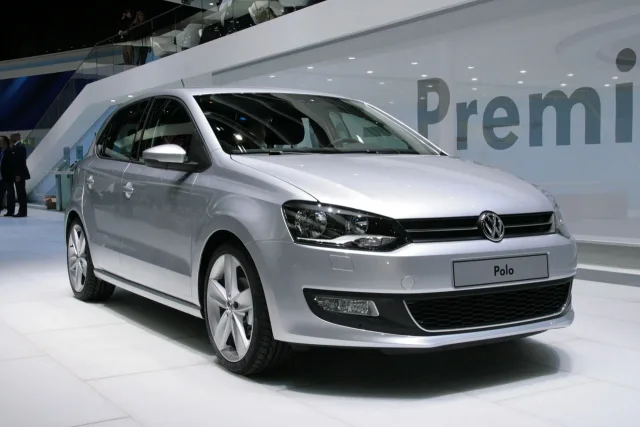
Exterior
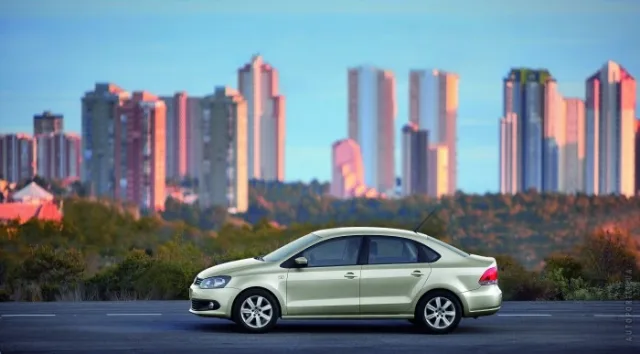
Despite the fact that the Polo's design was developed by Flavio Manzoni, the car's appearance remained quite simple and restrained. Many owners value it precisely for the absence of excessive flashiness, while emphasizing absolute harmony in every line and connection. The high quality and precision of all parts and panels are particularly noted. All body parts have equal gaps. It is worth noting that the modern Polo is equal in size to the third-generation Golf, meaning it has come close to the next class. The sedan body looks larger due to the trunk, which adds visual and actual length.
Interior
The Polo's interior remains strict, functional, and maximally ergonomic. The front seats are quite comfortable, although tall people may find the backrest a bit narrow due to exaggerated lateral support. The range of seat adjustments is pleasing: they can move in all directions with a solid margin. Combined with the ability to adjust the steering column not only for height but also for reach, complaints about comfort disappear. The rear bench is made with typical German quality. It is comfortable to sit on, and there is enough legroom even for tall passengers. Three people in the back will be a bit cramped, so for maximum comfort, it is better to limit to two passengers.
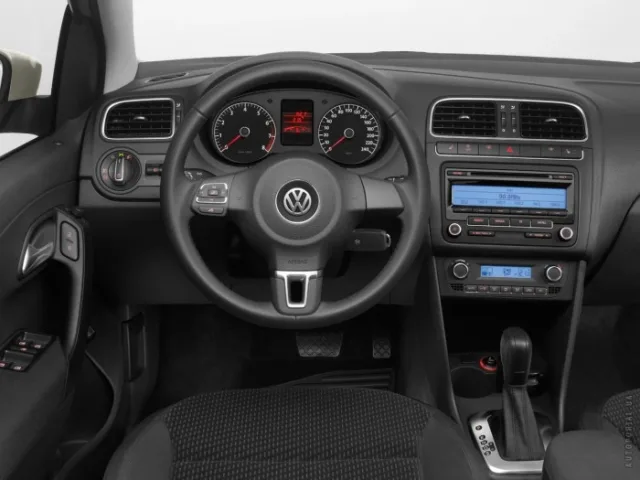
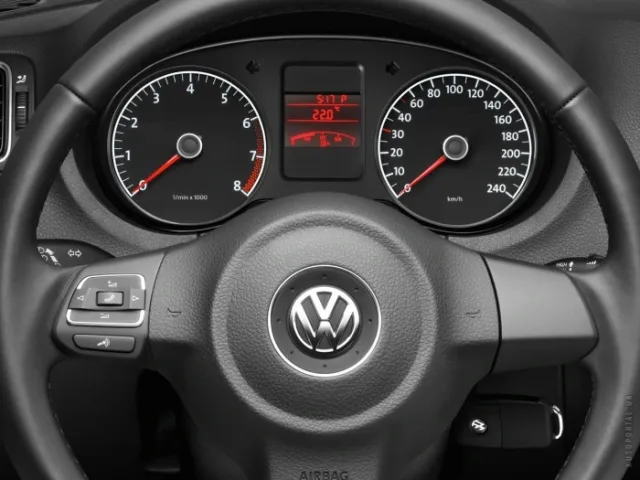
Storage spaces for small items in the Polo are also decent. The wide front door pockets can hold a water bottle. It can also be placed in the holder on the rear row. Cup holders for coffee or tea cups are located in the depth of the center console. Nearby there is a compartment for CD cases or other medium-sized items. The glove box is spacious (fits an A4 folder) and has a cooling function that can be turned off. In the niche under the multimedia system, there is space for a phone, and to prevent scratches, the walls are lined with rubberized material. The dashboard plastic is pleasant to the touch and looks good, but it is hard. The instrument panel is built on the principle of "only the essentials": two wells for the tachometer and speedometer, and between them a liquid crystal display for the onboard computer.
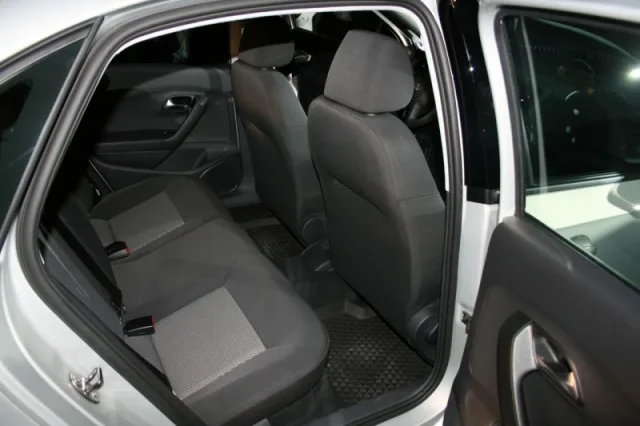
The trunk volume differs between the hatchback and sedan in favor of the latter. With the rear seats folded, the hatchback has 280 liters, while the sedan has 460 liters.
Engine and transmission
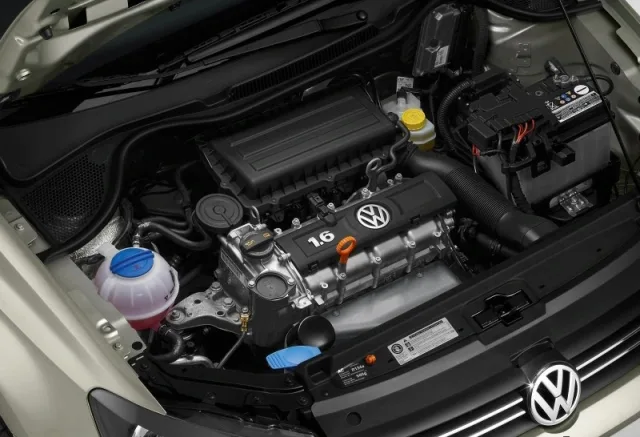
The widest choice of engines and gearboxes is offered for three- and five-door hatchbacks. They can be equipped with petrol engines 1.2 L (70 hp), 1.2 L TSI (105 hp), 1.4 L (85 hp), and diesel 1.2 L. A manual gearbox is paired with any of these engines. A robotized gearbox with dual clutch (DSG) is available only for versions with 1.4 L and 1.2 L TSI engines. The Volkswagen Polo Sedan is offered only with one petrol engine – 1.6 L (105 hp), and two gearboxes to choose from: manual and automatic.
Safety
In the basic configuration, the car has two airbags and an anti-lock braking system. The Euro NCAP crash test of the Volkswagen Polo hatchback showed excellent results: 15 points out of 16 possible in a frontal impact and 8 out of 8 in a side impact. This is one of the best indicators in its class.
Features
The Polo's handling is at a benchmark level. The car is obedient, body roll in corners is minimal. Feedback allows the driver to feel the position of the wheels and their grip limits. Driving on poor roads hardly affects handling, and bumps are not felt painfully. The suspension may seem a bit stiff, but there are no complaints about its energy intensity and long travel. On roads with ruts, the rear beam does not affect the car's behavior as much as on cars with similar suspension – there is no obvious pulling into the rut. Most owners note good overall noise insulation of the cabin and engine. The engine is not heard much, and only at high revs. Road noise is also not dominant. At high speeds, the driver and passengers can talk without raising their voices. All of the above applies equally to both the hatchback and the sedan.
Popularity in Ukraine
The Volkswagen Polo is in the TOP-5 best-selling new cars according to the autoportal.ua website rating. Moreover, Ukrainian buyers overwhelmingly prefer the Polo Sedan. It is the four-door version that made the model one of the leaders in its class.
Our verdict
Various trim levels of the Volkswagen Polo allow you to choose the most suitable option depending on your budget. Despite the country of production of the Polo Sedan, there are no particular complaints about the build quality of Russian cars. The warranty is 2 years without mileage limitation. The Volkswagen Assistance technical support service operates throughout Ukraine.