Advertising
Volkswagen Golf: prices and specifications
25 generations Country of origin: Germany

Volkswagen Golf – debuted in 1974, the model entered the top three most popular cars in the world. The model's circulation exceeded 25 million units. Golf became the founder of the C-class, later unofficially named after it. The model is named after the Gulf Stream ocean current. All generations of the model consistently made it to the top three of the "Car of the Year" competition and won it twice – Golf III in 1992 and Golf VII in 2013.
Trims and technical specifications of Volkswagen Golf
Volkswagen Golf is equipped with gasoline (from 1.2 to 2.0 L) and diesel (from 1.6 to 2.0 L) engines. They are paired with a five- or six-speed manual or six- or seven-speed DSG robotic transmission with two clutches. The car's drive is front or all-wheel. You can learn more about the technical specifications and trims of Volkswagen Caddy by clicking on the version of this model that interests you below.
Where to buy a new Volkswagen Golf at a favorable price?
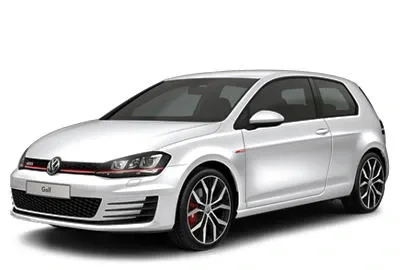
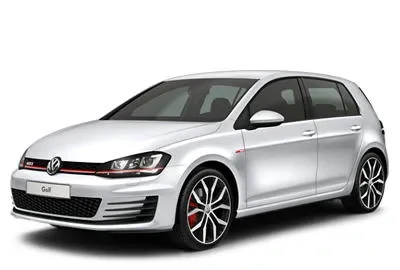
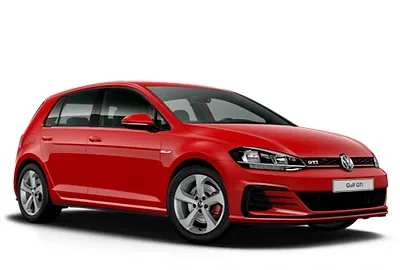
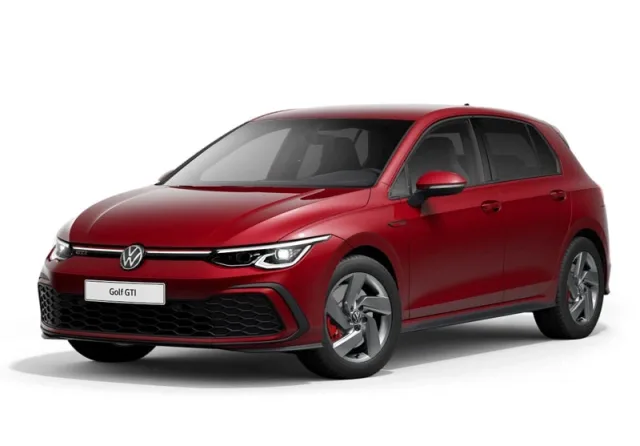
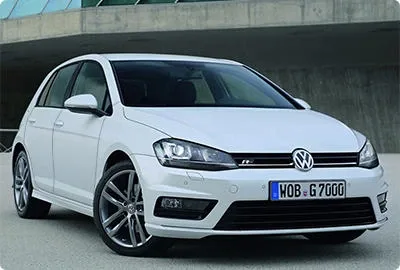
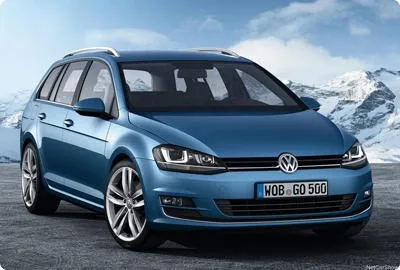
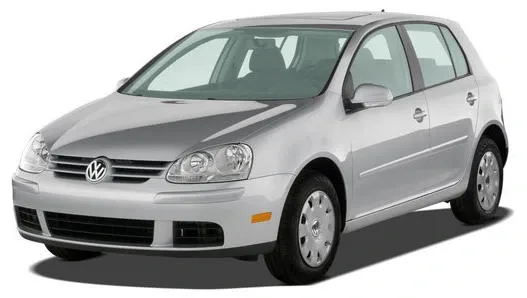
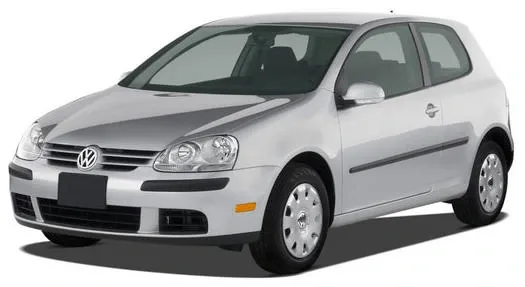
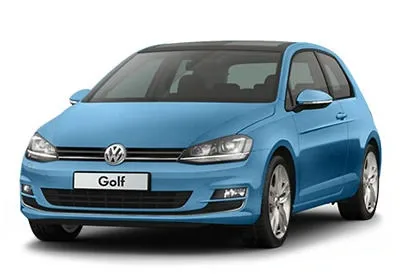
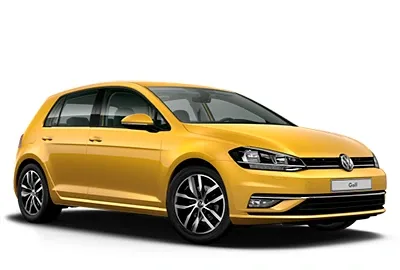
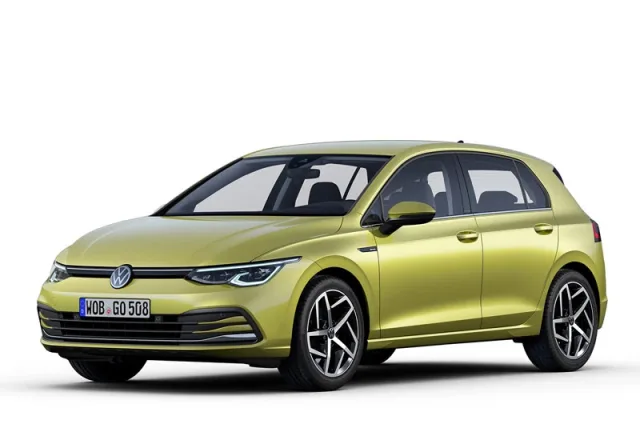
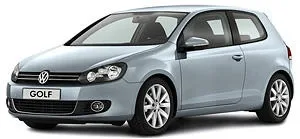
The price of a Volkswagen Golf in Ukraine starts from approximately 570,000 UAH. In our market, you can buy a new Volkswagen Golf only in a five-door hatchback body. You can see current prices under the images of this model's versions, and learn more about the Volkswagen Golf by going to the page of a specific version.
Reviews of Volkswagen Golf
The Volkswagen Golf model is valued for its high build quality, durable suspension, and precise handling. In addition, owners like the model's good liquidity on the secondary market. Among the disadvantages, problems with DSG robotic transmissions and TSI gasoline turbo engines are often noted. You can read real reviews of the Volkswagen Golf or leave your own review just below on this page.
History
The history of the VW Golf begins in 1974. The car was named after the Gulf Stream ocean current. In the USA and Canada, it was called Rabbit, and in Latin America, it was called Caribe.
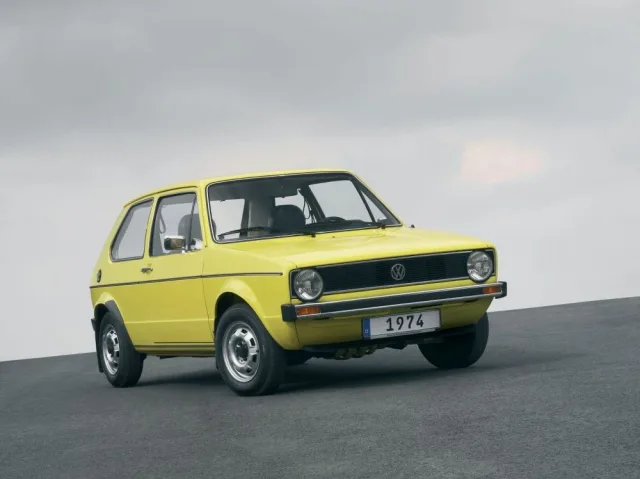
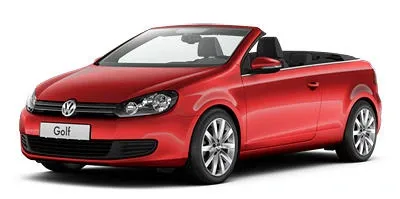
The design of the Golf was worked on by the famous Italian designer Giorgetto Giugiaro. Initially, the Golf 1 was offered as a hatchback and had 3- and 5-door modifications. The convertible appeared in 1980 and was produced until 1993, replaced by the Golf 3 convertible.
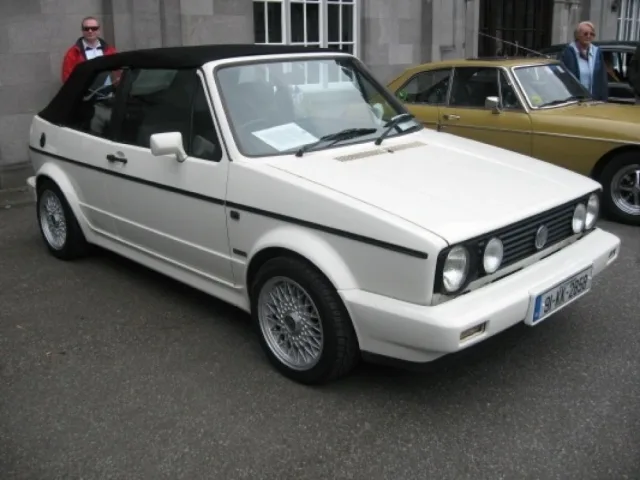
VW Golf became the founder of an entire car class - the "golf class".
The car was offered with gasoline engines from 1.1 to 1.5 L with power from 50 to 70 hp. Transmissions offered were both a 4-speed manual and a 3-speed automatic.
In 1976, the "hot" version GTI was presented to the public, which was equipped with a 1.6-liter eight-valve engine with a K-Jetronic injection system, producing 110 hp. It allowed the car to accelerate to 100 km/h in 9 seconds and reach a top speed of 183 km/h. At that time, these were very good indicators that allowed the Golf to compete with many sports cars.
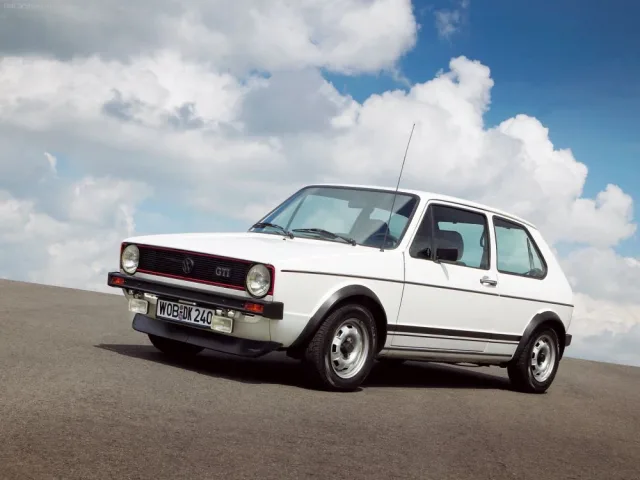
The main differences of the GTI from the standard version were widened wheel arches, a wide lower "lip", and a red trim on the radiator grille.
In the same year, a diesel modification of the Golf with a 1.5 L engine producing 50 hp was introduced.
In 1981, the model underwent a facelift: bumpers and rear lights changed, the dashboard in the interior changed, and the engine lineup expanded (the GTI version received a 1.8-liter engine with 112 hp).
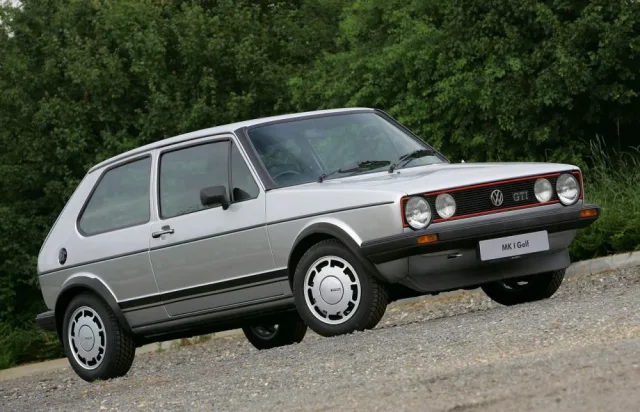
Production of the Golf 1 ended in 1983, replaced by the second-generation Golf.
The Golf 2 retained the angular features of its predecessor, but despite this, aerodynamics improved. The drag coefficient was 0.34 compared to 0.42.
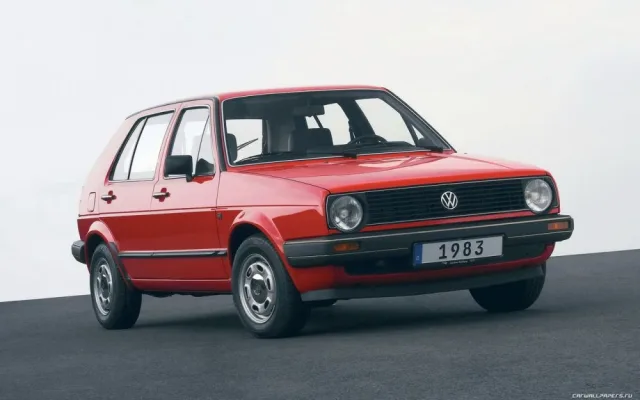
The car became larger, which affected interior space as well as the luggage compartment.
The Golf 2 was offered with gasoline and diesel engines ranging from 1.1 to 1.8 L with power from 50 to 90 hp.
1984 – the Golf 2 GTI version was introduced with a 1.8 L engine producing 112 hp, which essentially carried over from the first Golf. A year later, the legendary GTI 16V version appeared with a 1.8 L 139 hp engine, which accelerated the car to 100 km/h in 8.5 seconds and reached a top speed of 208 km/h.
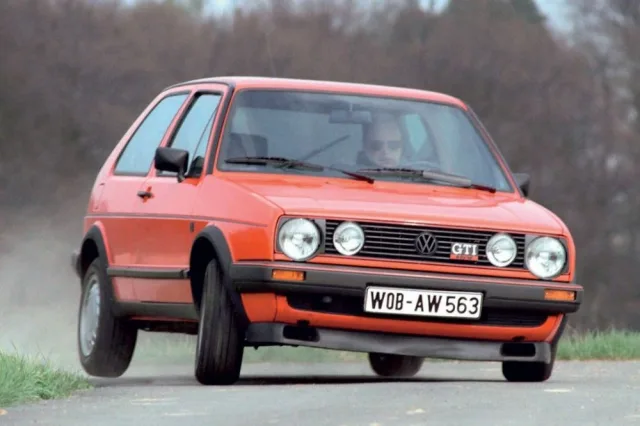
In 1986, the all-wheel drive Golf Syncro was introduced.
1988 – the Volkswagen Golf II underwent a facelift: the position of exterior mirrors and some body elements changed, the engine lineup expanded, and there were also changes in the car's interior.
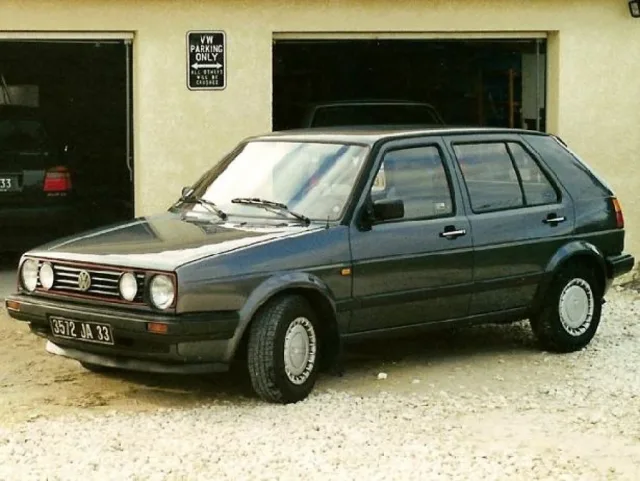
1989 – two new modifications were introduced – Golf Country and Golf Rally.
The Country was a Golf Syncro mounted on a frame, resulting in a full-fledged SUV with high ground clearance and all-wheel drive. But due to the high price, this modification of the Golf did not gain popularity.
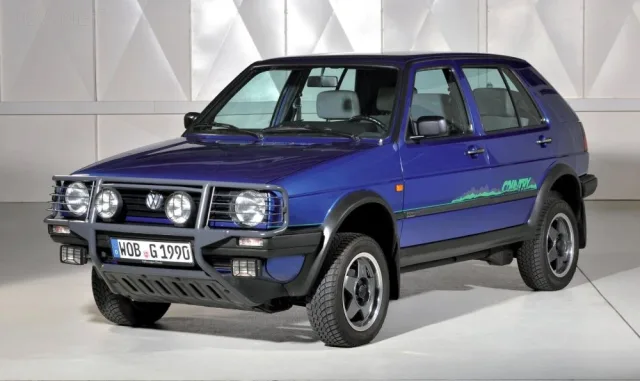
The Golf Rally was made in the rally spirit of those times. The car looked very different from the regular Golf. It was equipped with an all-wheel drive transmission and a 1.8-liter supercharged engine producing 160 hp. Only 5,000 such cars were produced.
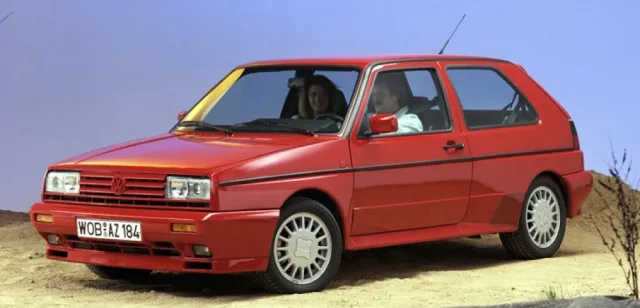
There was also a limited version from the VW Motorsport division called the Golf 2 Limited, which was equipped with a 1.8 L 16V engine with a G60 supercharger producing 210 hp.
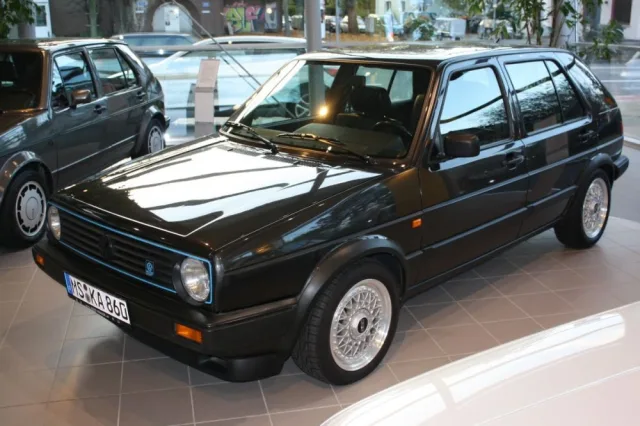
In the same 1989, the Golf received new bumpers and plastic body kit.
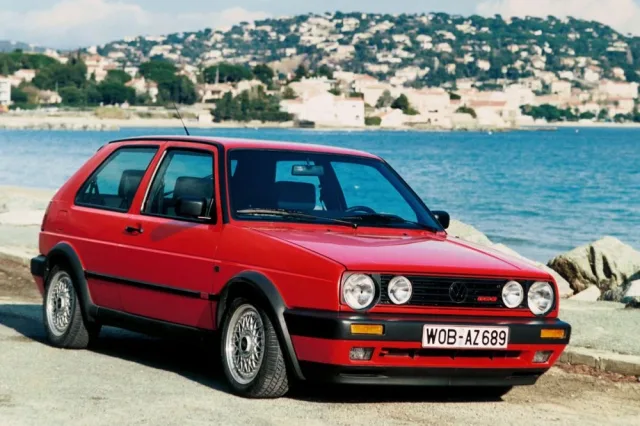
During the production period, 6.3 million Golf 2 cars rolled off the Volkswagen assembly line.
In 1991, the third generation Volkswagen Golf debuted at the Geneva Motor Show. The car was produced with four body types: 3- and 5-door hatchback, station wagon (Variant), and convertible.
Externally, the Golf III looks more modern than its predecessor; the body became more streamlined and larger in size.
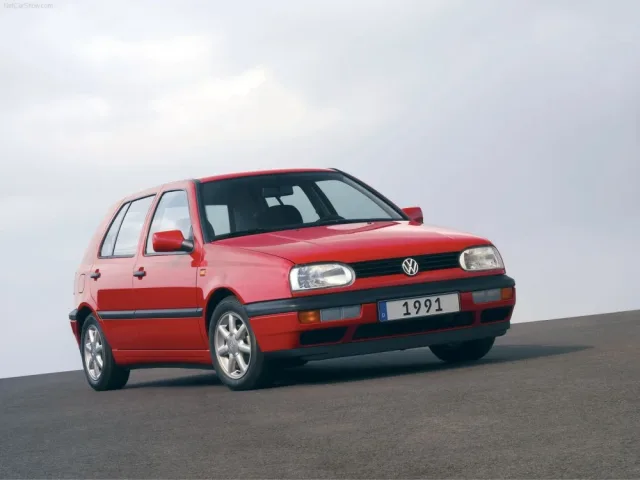
Initially, the engine lineup included gasoline engines from 1.4 to 2.8 L with power from 60 to 174 hp, as well as diesel engines with a displacement of 1.9 L and power from 64 to 75 hp.
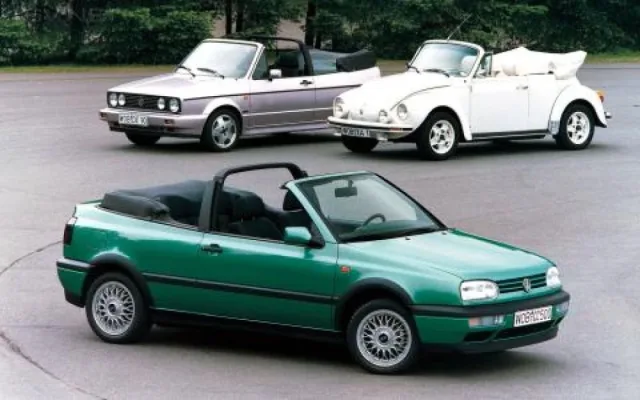
It is worth noting that for the first time, a 6-cylinder engine was installed in a car of this class. Volkswagen engineers managed to place such an engine in a rather small engine bay due to the unique arrangement of cylinders in a checkerboard pattern. The cylinder angle is only 15 degrees, hence the name VR (V-shaped inline).
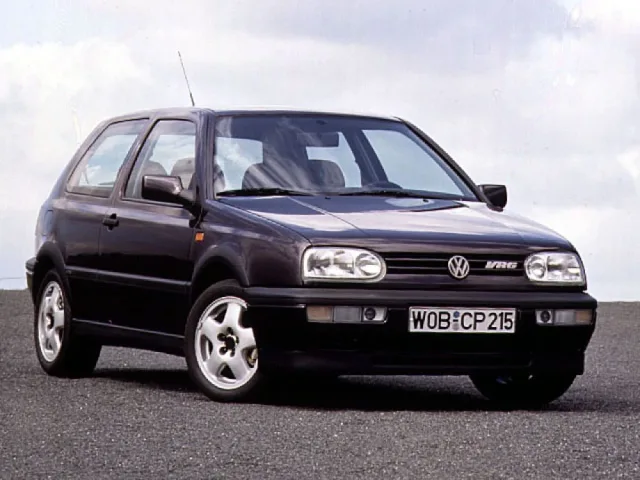
1993: the all-wheel drive version Golf 3 Syncro appears, and the engine lineup is supplemented by the 1.9 TDi engine with 90 hp. In the same year, the A59 prototype was shown.
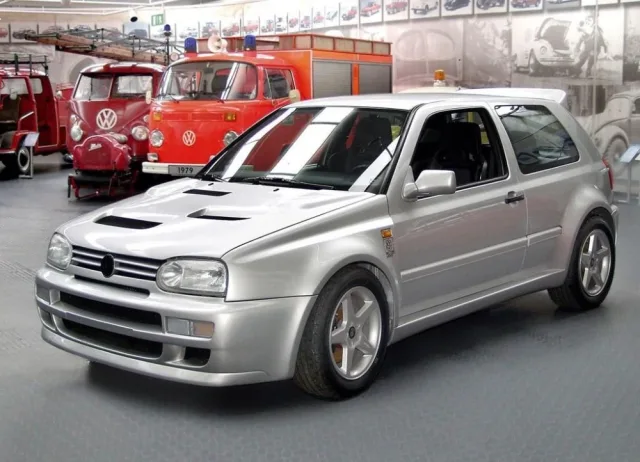
Initially, the car was developed for participation in the World Rally Championship, but alas. The car was equipped with a turbocharged 2 L engine producing 275 hp, which could accelerate to 270 km/h. It was also equipped with all-wheel drive and a computer system for distributing torque to four wheels, which increased and decreased torque on each wheel individually, depending on conditions. The price of such a car was 80,000 marks, which was too expensive at that time. The produced cars went to private collections.
1994: the hot all-wheel drive version Golf 3 VR6 Syncro with a 2.9 L engine producing 190 hp was introduced.
1995: a minor facelift of the model was carried out; some body parts and interior elements were changed.
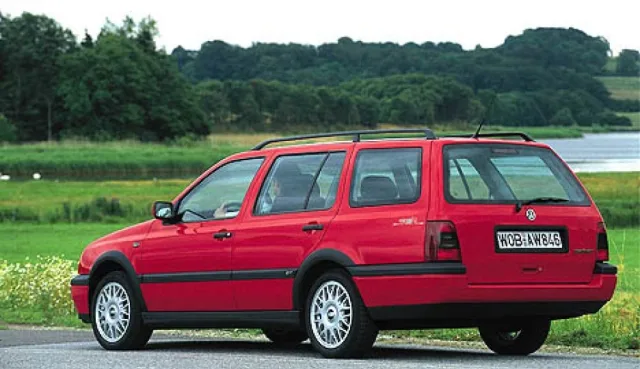
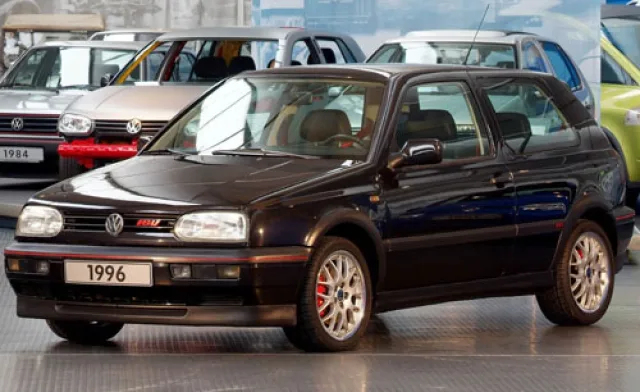
1996: in honor of the 20th anniversary of the Golf GTI, an anniversary version called the Golf 3 GTi 20 Jahre was released. Only three engines were available: two gasoline 2.0 L 115 hp and 150 hp in the 16V modification, and one diesel 1.9 TDi 110 hp.
In 1997, the fourth generation Golf was introduced. The car inherited the features of the Golf 3 but became more modern and presentable, although outwardly it was not flashy.
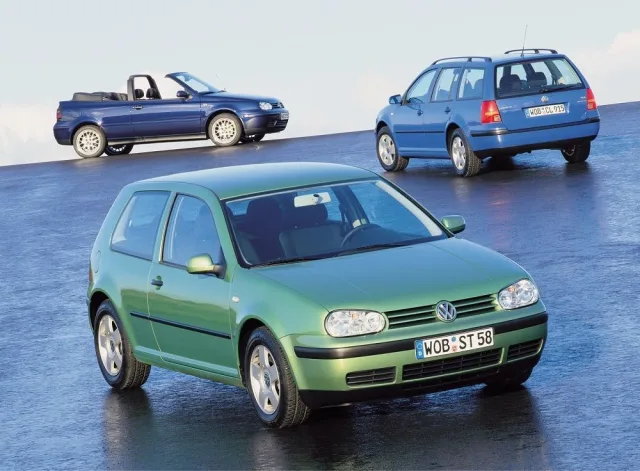
The convertible version of the fourth generation was practically no different from its predecessor; rather, it was a deep facelift of the Golf 3 Cabrio.
The Golf 4 is the first Golf to receive a fully galvanized body. Warranty against through corrosion is 12 years.
The car became richer; the build quality and list of available equipment positioned the Golf 4 not as a budget people's car, but as a premium class.
But due to this, the price increased, both for the car itself and for service.
The engine lineup was very rich, comprising almost 20 engines, including gasoline engines from 1.4 to 3.2 L with power from 75 to 241 hp, and diesel engines with a displacement of 1.9 L and power from 68 to 150 hp.
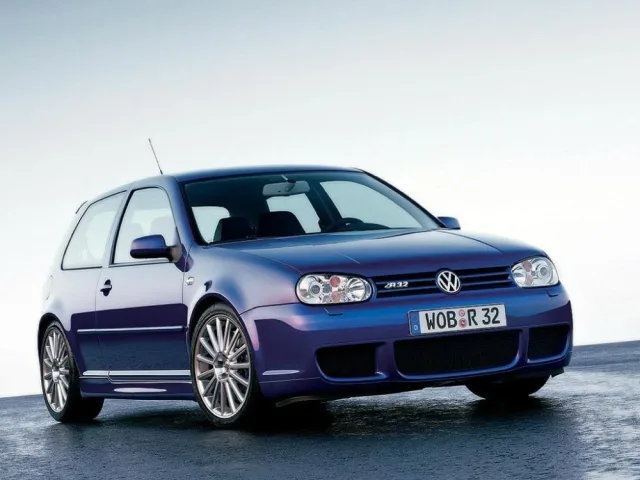
In 2002, the hottest version Golf R32 was introduced, which had a 3.2-liter engine producing 241 hp (240 hp for the American market), paired with an all-wheel drive transmission, allowing the car to accelerate to 100 km/h in just 6.6 seconds. Externally, the car differed from the regular Golf by its headlights, dual exhaust system, front and rear bumpers, and side sill trims.
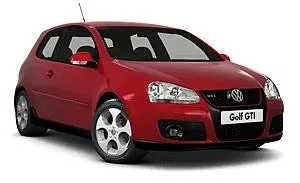
In 2003, the fifth generation Volkswagen Golf was introduced in Frankfurt. The Golf 5 received a unique body design, unlike previous generations, as well as independent front and rear suspension, which had a very positive effect on the car's handling.
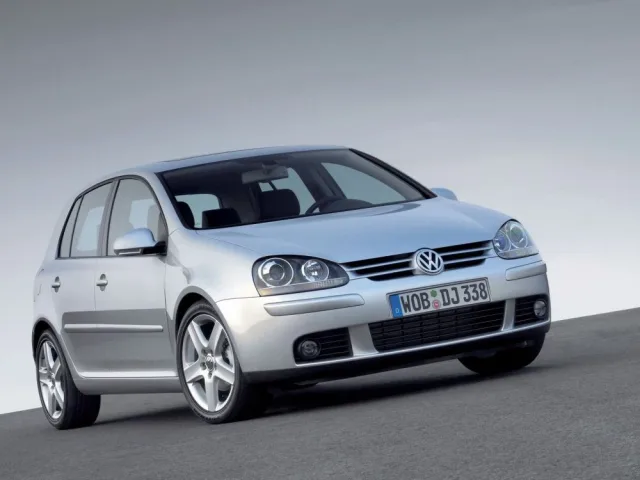
The Golf V grew in size both externally and internally. The interior became much more spacious compared to the fourth generation. And there were many more options, and the quality of finishing was much higher.
The GTi version was very much to the taste of speed enthusiasts thanks to excellent handling and a dynamic 2.0-liter turbocharged engine with FSI injection system, which produced 200 hp.
Also, many liked the innovative (at that time) robotic DSG gearbox, which allowed acceleration and fuel consumption similar to a manual transmission car.
The R32 version, like its predecessor, was equipped with all-wheel drive and the same 3.2-liter engine (its power was increased to 250 hp due to the injection system).
The Golf 5 was equipped with gasoline engines ranging from 1.4 L to 3.2 L with power from 75 to 250 hp, as well as diesel engines ranging from 1.9 to 2.9 L with power from 75 to 170 hp.
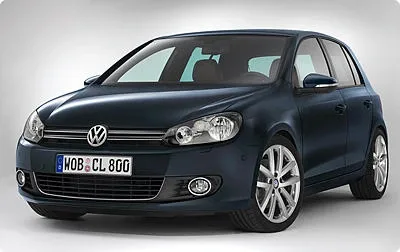
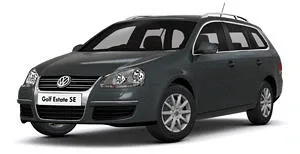
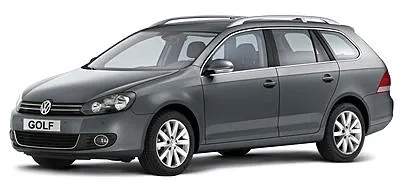
The sixth generation Volkswagen Golf saw the light in 2009. Externally, the Golf 6 did not change much compared to the previous generation. One could even say that the car underwent a serious facelift, which added expressiveness and sportiness. The same applies to the interior. At first glance, it seems there are almost no changes.
The Golf 6 was equipped with gasoline engines with FSi injection system (all except the "old" 1.6 L 102 hp). The weakest was a 1.4-liter engine with 80 hp, its turbocharged version produced 122 and 160 hp, respectively.
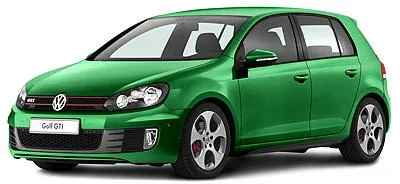
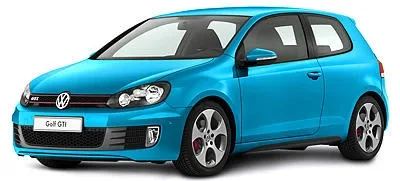
The GTi version received the same 2.0-liter engine as the Golf 5, with power increased to 210 hp.
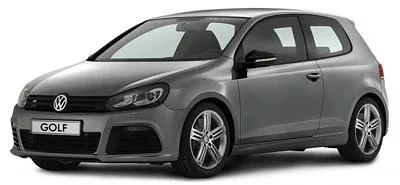
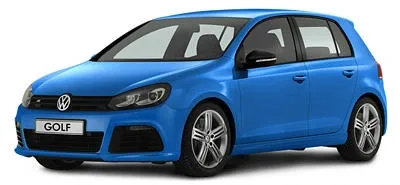
The hottest version of the Golf was planned with a traditional 6-cylinder engine, with displacement increased to 3.6 liters. But due to the large weight of the engine, which negatively affected handling, Volkswagen engineers replaced it with a modified 2-liter engine known from the GTi version. The unit's power was brought to 270 hp, which, paired with all-wheel drive, allowed the car to accelerate to 100 km/h in less than 6 seconds.
The diesel engine lineup included five units with displacement from 1.6 to 2.0 L and power from 90 to 170 hp in the GTD version.
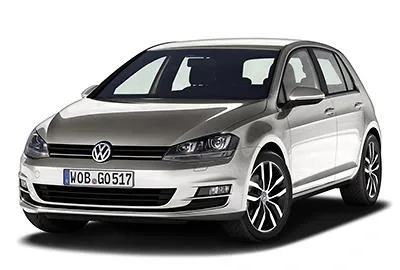
The seventh generation Volkswagen Golf was introduced in Paris in 2012.
Exterior
Upon first acquaintance with the Golf 7, not everyone will see such a clear difference in appearance from the Golf 6 as in the case of the 5th and 4th generations. But, despite the similarity, the car does not have a single identical body part with its predecessor.
The car began to look more aggressive and gained a touch of sportiness.
The body increased in size: length grew by 56 mm, width by 13 mm, height decreased by 28 mm. The wheelbase increased by 59 mm, which had a very good effect on interior space.
It is worth noting that thanks to the use of the new modular MQB platform, it was possible to significantly reduce the weight of the car.
Interior
In the Golf 7 interior, the first thing that catches the eye (compared to the previous generation) is the center console turned towards the driver and a large 8-inch touchscreen.
The interior is strict, with a hint of sport, expressed in the form of wells on the instrument panel and a three-spoke steering wheel with a flattened lower part.
The ergonomics of the interior are excellent, the best in its class. Everything is where it should be. The same applies to the quality of materials and fit of parts. Everything is top-notch. True, there are some strange nuances, such as the rear door cards. Unlike the front door cards, they are made of hard plastic. Economy?!
The parking brake in the car is electric, which may not be to everyone's liking.
The Golf 7 interior is spacious; a person of any build can sit comfortably behind the wheel. There is no lack of space either in the front or rear seats. The same applies to headroom.
The seating position is comfortable, visibility is good. It is worth noting the excellent sound insulation; road and wind noise are practically inaudible.
Engine and transmission
The buyer is offered a choice of both gasoline and diesel engines.
Gasoline engines start with 1.2 L turbocharged engines producing 85 and 105 hp. Next come 1.4 L turbo fours with 122 and 140 hp, respectively.
The GTi version received a 2.0-liter turbo engine with 220 hp.
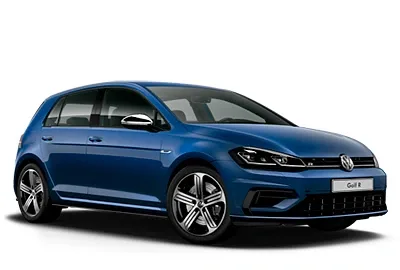
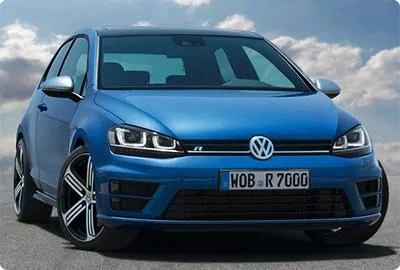
The hottest version R20 is equipped with the same 2.0-liter engine, but its power is increased to 300 hp. Paired with an automatic DSG transmission, this engine allows the all-wheel drive hatchback to accelerate to 100 km/h in 4.9 seconds (with a manual transmission – in 5.3 seconds).
The diesel lineup is represented by three engines: one 1.6 L with 105 hp and two 2.0 L with 110 and 150 hp.
Safety
The VW Golf 7 already comes standard with nine airbags; for an additional cost, there can be 11. The car is also equipped with a full set of electronic assistants, such as: distance control function, lane departure warning system, parking assistance system, low-speed braking function, and others.
The Golf 7 passed a crash test according to Euro NCAP technology, where it received the highest score. Adult passenger protection was 94%, child protection in a special seat was 89%, pedestrian protection in a collision was 65%, and active safety was 71%.
Features
Thanks to the use of the latest modular MQB platform, Volkswagen engineers managed to achieve a compromise between handling and ride smoothness. The Golf 7 responds perfectly to the steering wheel; the car's balance and road grip are excellent.
Starting from the fifth generation Golf, the car uses independent front and rear suspension. This also applies to the Golf 7, but for modifications with low-power engines, a semi-independent torsion beam is used in the rear suspension instead of the usual multi-link. All this is done to make the base model as cheap as possible.
Popularity in Ukraine
In the sales ranking, the Volkswagen Golf 7 is in the top 40. Among golf-class cars, it is considered one of the most popular.
Its buyers are mainly brand enthusiasts and former Volkswagen Golf owners. Also, these are people who want to get a convenient and high-quality car for everyday use.
Our verdict
The Golf 7 is an excellent car that is comfortable to drive both in the city and on country roads. It combines features such as reliability, build quality, handling, and dynamics.
Over 30 years of production, the Golf has ceased to be a "people's car" but has not ceased to be loved. Nothing can be done about the price; you have to pay for pleasure.
Volkswagen Golf generations
Owner reviews →