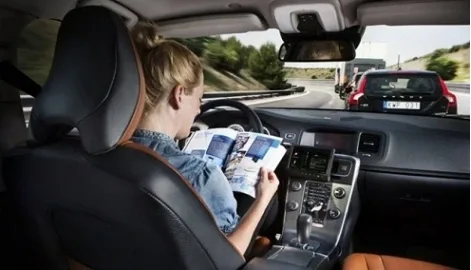
There are currently no corresponding traffic rules. But thanks to the UN approval, an important step has been taken towards creating a legal framework. Now restrictions on new modes of transport will actually be lifted.
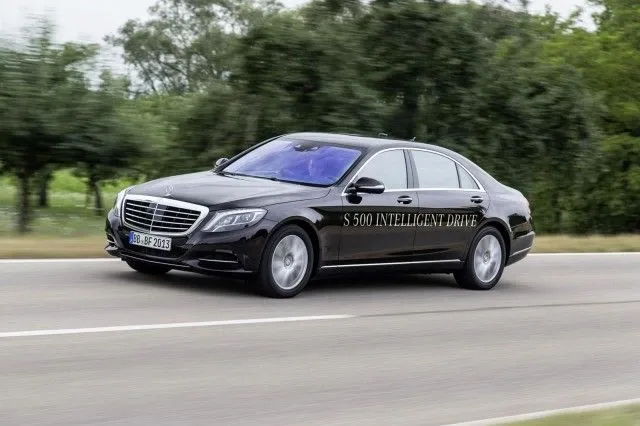
There are many examples of successful work on creating automatic systems, for example, Mercedes has already tested a fully automated S-Class on a real section of the route from Mannheim to Pforzheim. The test can be called successful; the car passed various obstacles based on readings from cameras, sensors, and radars.
Previously, there was Article 8 of the 1968 Road Convention, which contradicted the capabilities of the new technology: according to this article, the driver had to constantly control their vehicle.
Now the UN regulation states that automatic control systems for vehicles are permissible, but on the condition that the driver can take control and stop them at any moment. Germany, France, Italy, Austria, and Belgium supported the innovation.
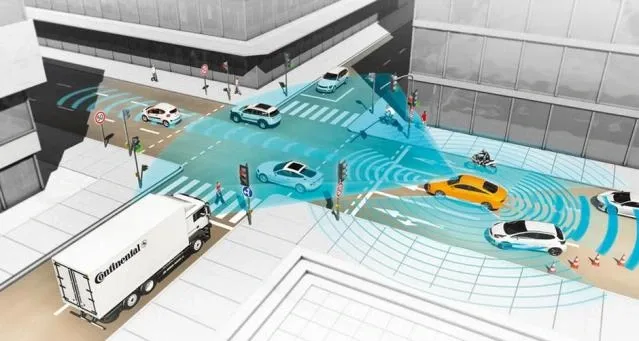
Nevertheless, fully automated transport will not become a reality in the near future. Experts expect that mass production will begin no earlier than 2020. But even then, the driver will still have to keep their hands on the steering wheel.
Most likely, the technology will be implemented in stages. The first to appear will be devices for moving in traffic jams, then automatic overtaking systems. Currently, we can already observe one such device on expensive cars, the parking assistant.