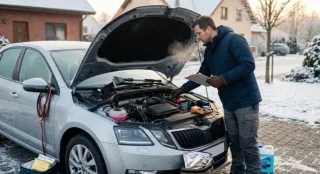
With the onset of autumn cold, a car engine takes longer to reach operating temperature. However, if the engine remains cold even after a long drive, the cause may be cooling system malfunctions.
Why the engine takes long to warm up in autumn: 5 main reasons
Cooling system malfunctions can lead to excessive engine cooling, incorrect temperature readings, or disrupted coolant circulation.
1. Faulty thermostat. If the valve is stuck in the open position, coolant constantly circulates through the radiator. Because of this, the engine warms up more slowly, and the temperature may not reach the operating level.
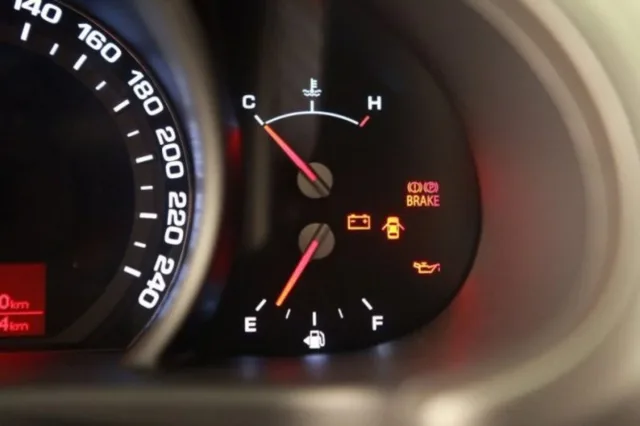
2. Temperature sensor. A faulty coolant sensor may transmit incorrect readings to the instrument panel or to the electronic control unit. In this case, the engine sometimes warms up normally, although the indicator shows a low temperature.
3. Low coolant level. An insufficient amount of coolant disrupts heat exchange. The cause may be leaks through hoses, the radiator, or system connections.
4. Air in the system. Air pockets can form after replacing the coolant or due to leaks. They prevent normal fluid circulation and cause uneven heating.
5. Improper fan operation. If the radiator fan runs unnecessarily on a cold engine, it can increase cooling. It is worth checking the fan control and temperature sensors.
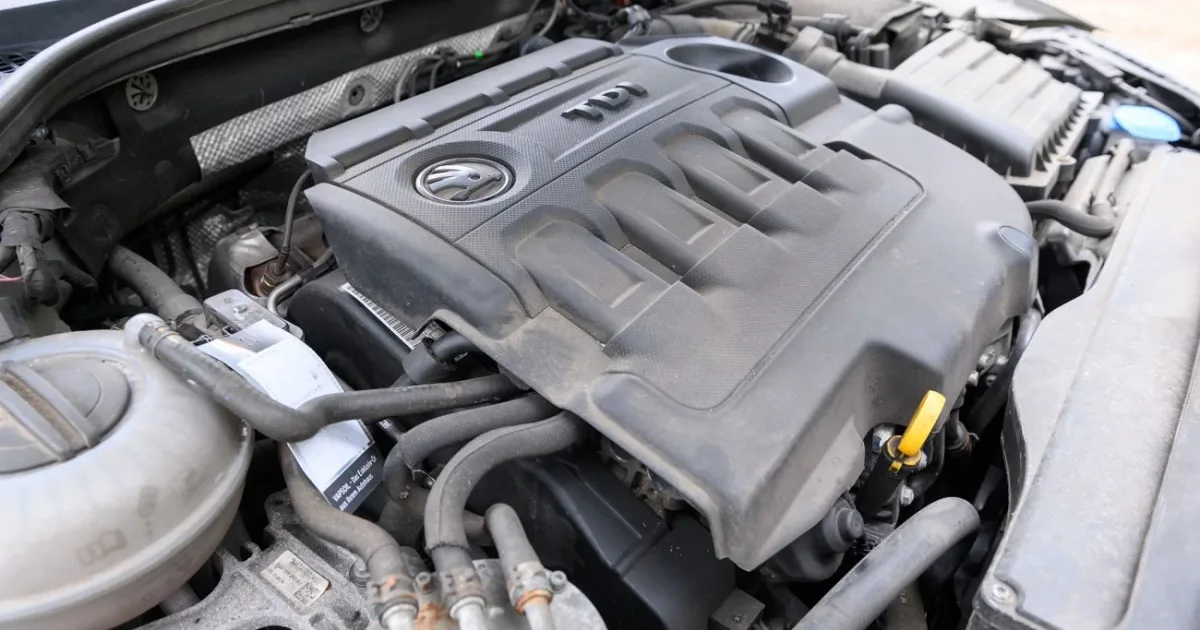
Slow engine warm-up: what the driver should check
“If the engine does not reach operating temperature even after a long drive, first of all you should check the thermostat and the reliability of the temperature sensor readings,” explains the author of the material, Oleksii Astapov.
You can start diagnostics by checking the coolant level on a cold engine. Next, you should check the actual temperature via OBD diagnostics, the operation of the thermostat and the fan.
Prolonged operation of an insufficiently warmed-up engine can increase fuel consumption, worsen cabin heating, and accelerate wear of parts.