A drop in temperature puts additional strain on a car battery: chemical processes in the battery slow down, and cold engine oil makes it harder to start the engine. There are several signals that can warn of a problem in advance.
Signs of a weak battery before cold weather
Battery problems often become noticeable even before the battery finally loses the ability to start the engine.
1. The starter turns the engine slowly
If the starter works noticeably slower than usual and starting takes longer, this may indicate a drop in battery capacity. During cold weather, the problem gets worse.
2. Headlights and dashboard dim
A decrease in lighting brightness, flickering instruments, or the radio rebooting during starting indicate a significant voltage drop.
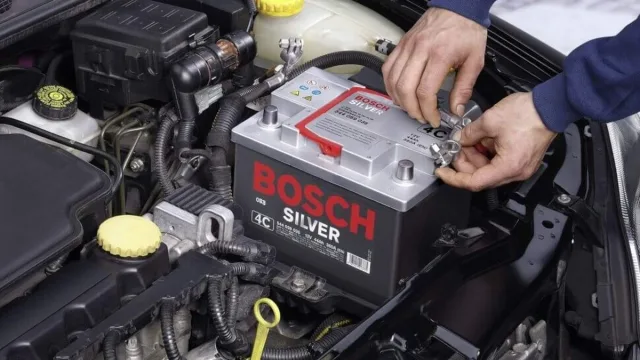
3. Deposits have appeared on the terminals
White or green deposits on the terminals worsen the electrical contact. Because of this, the battery charges worse from the alternator and cannot fully deliver current to the starter.
4. The battery case is deformed
Bulging of the battery walls may be a consequence of internal damage or freezing of the electrolyte in a discharged battery. Such a battery must be replaced.
5. The indicator signals discharge
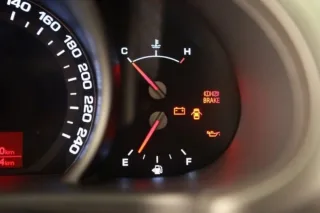
A black or white color of the built-in hydrometer instead of green may indicate charging problems. Another signal is the regular appearance of the battery indicator on the dashboard.
Checking the battery before the first frosts
“The starter turns the engine slowly and with difficulty,” notes the author of the material, Oleksii Astapov, among the main signs of a weakened battery.
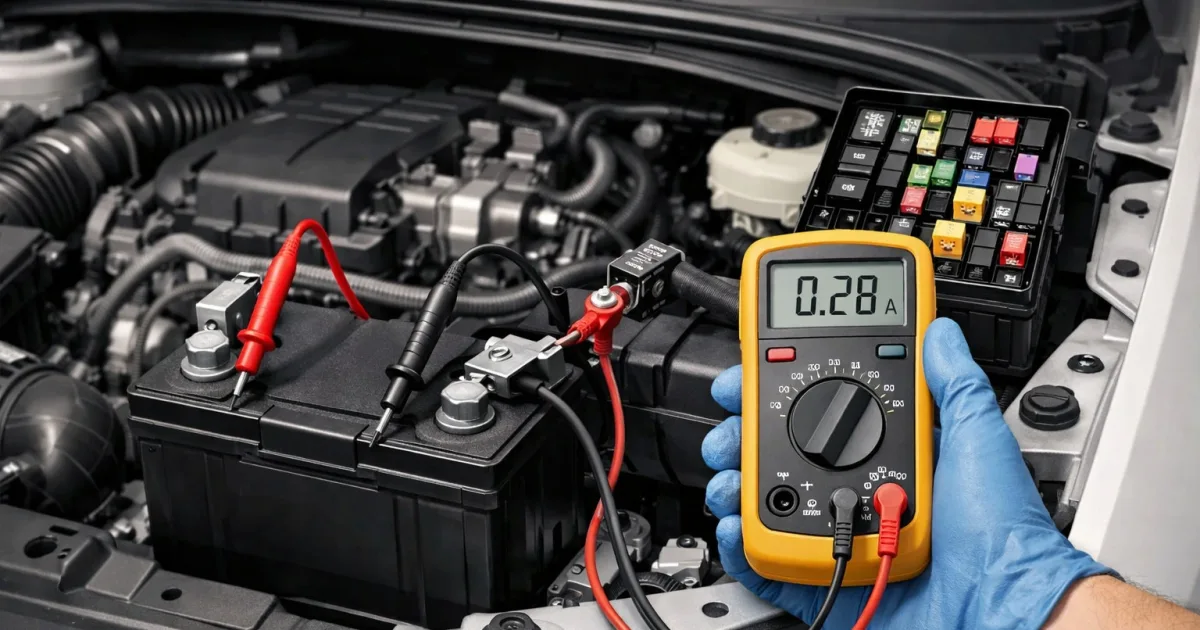
According to the source, if at least one of the listed symptoms appears, the battery should be checked with a multimeter. For a charged battery at rest, the material gives a guideline of no lower than 12.6 V. If necessary, the battery should be charged with a stationary device or replaced.