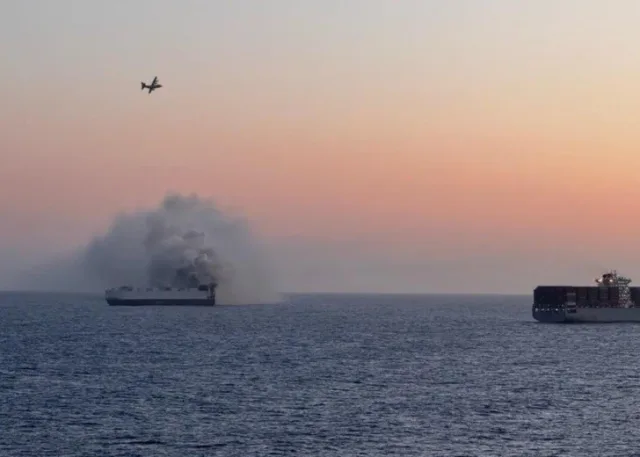
The incident occurred back in early June: the ship caught fire at night when a blaze broke out on the deck where electric cars were stored. As preliminarily established, the fire's epicenter was in the storage area of battery packs — they remain one of the biggest challenges for maritime logistics due to the threat of sudden ignition.
The crew tried to extinguish the flames on their own, but after unsuccessful attempts, people had to abandon the ship. Morning Midas was left burning in the open ocean. Three weeks later, on June 23, the vessel completely sank near the Aleutian Islands — this happened in international waters.
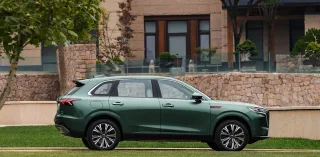
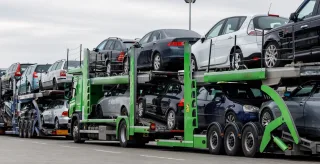
There were approximately 800 electric cars on board. According to available information, these could have been vehicles from Chinese manufacturers Chery and Great Wall, as well as Buick Envision crossovers assembled in China. All this transport was heading to Mexico, where it was planned to be sold.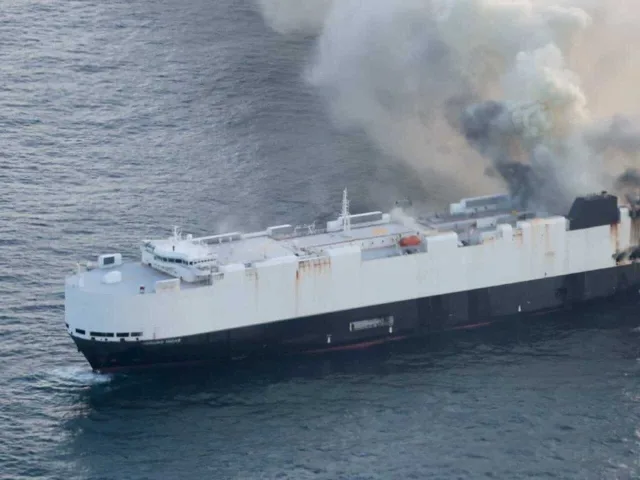
The ship's operator, Zodiac Maritime, reported that two rescue tugs equipped with environmental monitoring equipment have already arrived at the scene. A specialized vessel ready to eliminate possible pollution has also been dispatched there. So far, no fuel or hazardous substance leakage has been recorded, but the environmental threat remains relevant.
This event is another vivid example of the difficulties encountered during the maritime transportation of electric vehicles. Fire in lithium-ion batteries is extremely difficult to control, and extinguishing it remains a serious technical problem.
The losses incurred by automakers and logistics companies amount to tens of millions of dollars. However, no less important is the aspect of environmental safety and the need to review the rules for transporting modern electronics.