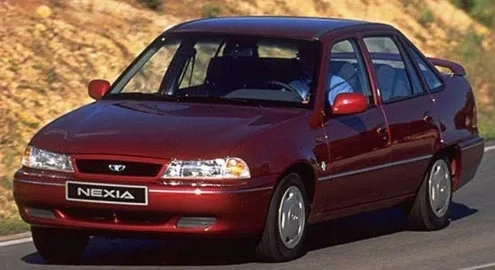
A big plus is unification with such mass models as Lanos and Lacetti. All of them were brought to life by Opel, and therefore the main ailments and problems of popular budget cars are identical.
Nevertheless, the car has its own bouquet of troubles, and it is not so difficult to identify a problematic example.
The feasibility of buying and whether it is worth buying a Daewoo Nexia will fully depend on the results of our initial inspection.
Body, paint, accidents
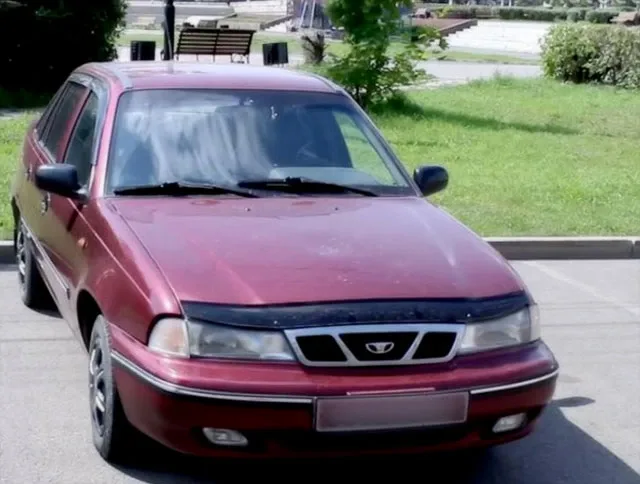
A huge plus of the Daewoo Nexia is that for 2 thousand dollars we get a quite alive, working car with a mileage of 140-180 thousand. It is during this period that the first owners try to sell the sedan bought at the dealership.
Before buying, first of all we pay attention to the odometer and to visual signals of mileage/condition mismatch.
Inspecting the interior
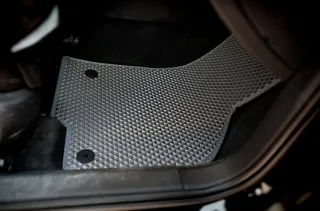
Pedal pads, buttons on the front panel, the original floor mat, and even the condition of the interior ceiling.
Only this, upon careful inspection, will tell us more than the odometer (which the seller can easily roll back).
For example, absolutely new buttons and steering column switches, seat covers, a perfect ashtray and cigarette lighter will already indicate that the seller was clearly preparing the car for sale, possibly trying to hide the real mileage.
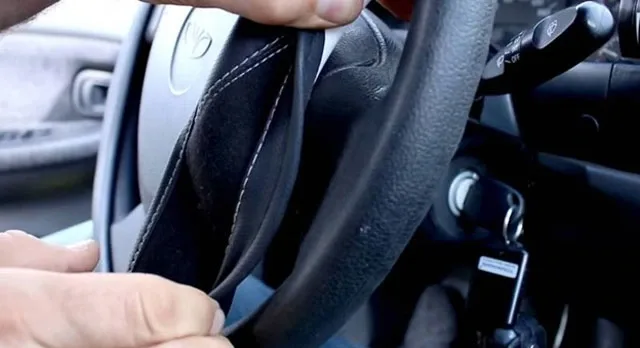
At a mileage of about 150-170 thousand, obvious wear on the pedal pads, scuffs on the steering wheel, and traces of use on the door cards are normal.
Time takes its toll on the textile upholstery of the door cards as well; they may fade in the sun. If the car worked in a taxi, which is not news for the Nexia in Ukraine, the rear seat cushion, door locks and hinges of the rear doors will be worn, the seals will be cracked, and there will be scuffs on the thresholds. However, here everything depends on the neatness of the previous owner.

Looking at the glass and why it matters
Any damage to the windshield has its own cause. If we see a crack growing from an obvious chip, that is normal.
However, if the crack starts under the sealing rubber, there may be problems with the body geometry, and this needs to be checked more thoroughly. Each glass, including the side ones, will tell about the year of manufacture of the car.
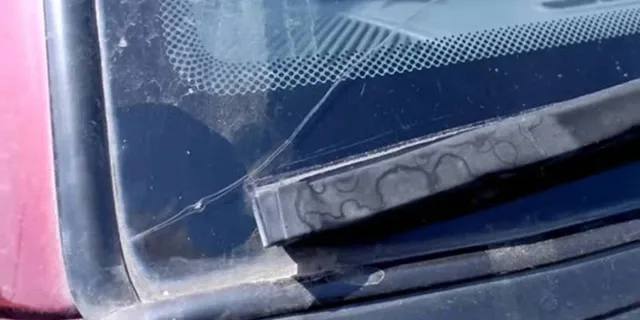
If the seller does not hide the car's involvement in an accident with glass replacement, all of them should have the same production date.
We must understand that glass replacement is not as important as a hidden problem in the body, which may only appear over time or after a complete disassembly of the car.
Gaps and corrosion
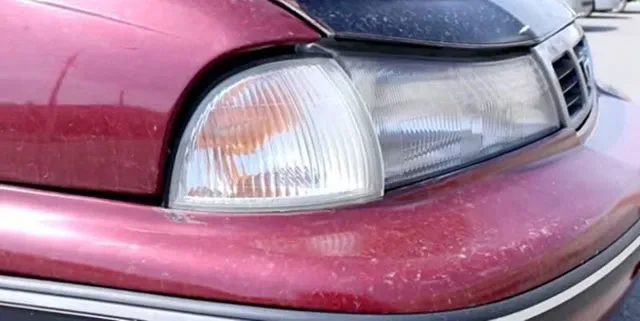
The quality of assembly at the Uz-Daewoo plant differs even from Korean assembly. Therefore, initially the gaps between the fenders, doors, hood, and trunk may vary within 0.5-2 mm, but no more.
Any uneven gap around the perimeter of a door, hood, or trunk indicates that the car was either straightened or had body panels or bumpers replaced.
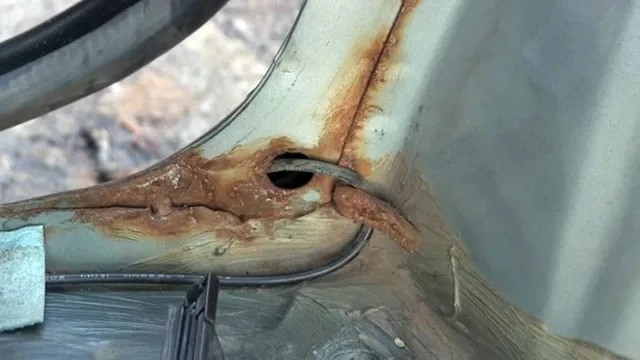
The Daewoo Nexia has its own secrets. For example, if you move aside the interior carpet in the area of the central pillar, you can see that the stamped floor lags behind the load-bearing body frame.
The same story can be in the area of the rear wheel arches. This is not fatal, but it indicates a high mileage of the car, and it is treated in the worst case by welding, in the best case by laying plastic sealant and anti-corrosion treatment.
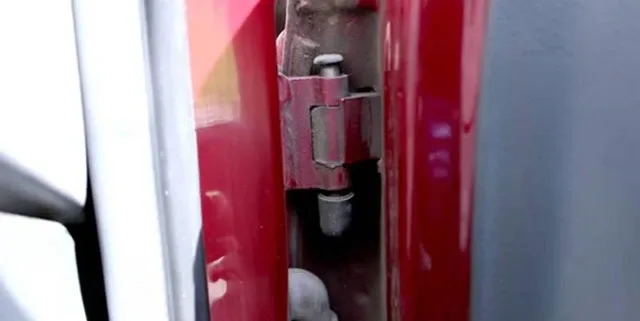
And also — the door hinges should ideally be painted with the original paint and have no traces of replacement.
This is a clear sign that the car's mileage is far over 200 thousand, it was used in taxi mode, or it was involved in an accident.
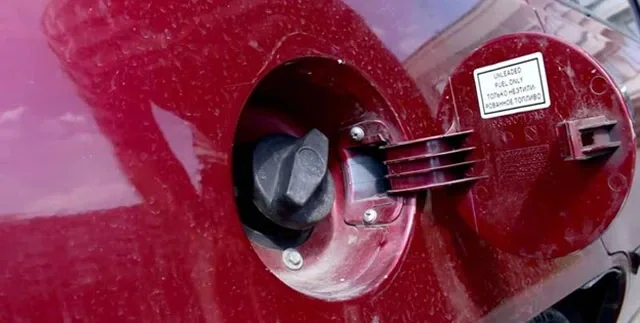
We pay the same attention to the hinge of the fuel filler flap and the neck itself. The fact is that the flap is removed only in one case — to select paint when eliminating the consequences of an accident.
It is also important to check the condition of the seam between the fender and the inner edge of the fuel filler flap; as a rule, the seam diverges even with minor impacts to the rear.
Problems with engines and suspension
Both engines that are present on the secondary market in Ukraine run quite well, are quite predictable, moderately voracious, and repairable.
These are the 1.5-liter 8-valve engine, which was also installed on Lanos, and the more modern 16-valve 1.6-liter engine, known to many from the Chevrolet Lacetti. Despite the difference in design, the engines have similar problems:
1. 250 g of oil per thousand kilometers is normal for the 1.6-liter engine. The more expensive the oil we buy, the more often we change it, the lower the consumption will be, and the higher the resource.
2. 1.5-liter engines sweat mercilessly. This is treated by installing a valve cover from Lanos, replacing the cover gasket, and using a good high-temperature sealant.
3. A malfunction of the controller and the Check Engine light, unfortunately, is the norm for the ECU of 1.6-liter engines. In 90% of cases, the reason is that the controller does not see the crankshaft position sensor. As a result, we have error P1336. It is treated by reflashing or replacing the controller.
4. Increased RPM after warming up on the 16-valve engine is associated either with the throttle position sensor or with the insulation of the wire in the harness.
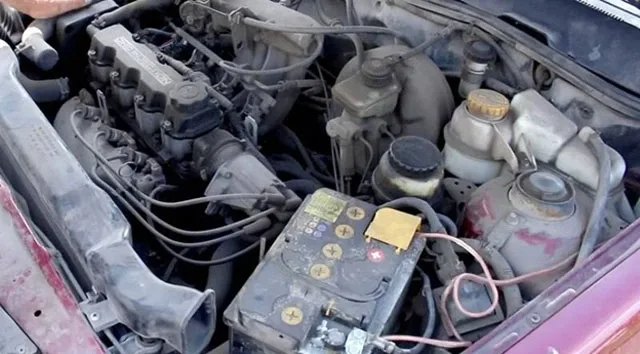
No special news from the global platform of Nexia, Lanos, and Lacetti should be expected.
And yet, for the Daewoo Nexia, a couple of suspension problems are reserved. In particular, when buying, you should pay attention to the rear springs.
The original ones can last about 40 thousand, after which they are replaced with springs from Vectra, Lanos, or Daewoo Espero. Otherwise, the spring will simply burst on the lower coils.
With good care, quality components, and regular maintenance, the Daewoo Nexia will not require a major overhaul until 300 thousand km of mileage and will fully justify the money invested in it.