Converting a car to run on gas so that it is delivered to the cylinders like gasoline is a long-standing goal of alternative fuel enthusiasts. Let's look at what engineering solutions have made this idea a reality.
If fuel enters the combustion chamber in the liquid phase, bypassing the gaseous state, the engine operates almost on the gasoline principle. This required a special pump. In fifth-generation equipment, it became the main element of the system. Its function is to pump propane and maintain the necessary pressure in the pipeline. If the pressure drops, the liquefied propane-butane mixture instantly evaporates. Moreover, stability is needed in both the supply and return lines.
A small pump created by Dutch engineers handles this task.
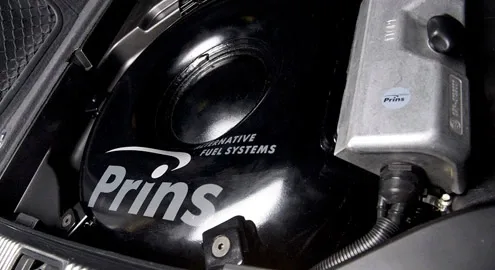
However, the pump was not the only thing needed—other injectors were also required, as their response speed is now comparable to gasoline injectors. Prins solved this problem too. The Dutch have long-standing ties with gas: even the word "gas" itself comes from the Dutch language. The new equipment also required special electronic control. You can learn more about the full kit at the link http://vipgaz.com.ua/ustanovka-gbo-5-pokoleniya. Let's continue our discussion about the difficulties of implementing new technologies and start with electronics.
Difficulties of installing the "fifth generation" in Ukraine
Without proprietary software, it is impossible to convert a car to such LPG. Old models, rare engine types, and cars for local markets are left out. The reason is that the manufacturer of gas equipment develops firmware and settings for a specific car. It is clear that Prins primarily creates algorithms for mass models that have a long production life ahead.
This is not bias, but a simple calculation. The more cars produced, the higher the demand for fifth-generation LPG for them.
The second problem is the quality of fuel at domestic gas stations. Foreign impurities at low temperatures disable sensitive equipment. Moreover, finding the fault is not easy. Some contaminants in propane harden in the cold, clogging lines, filters, and valves. But in a warm service center, where the temperature is above zero, the symptoms of malfunction disappear on their own.
And finally, another drawback is the cost. It is about three times higher than that of fourth-generation LPG. But it's not just about the complexity of the equipment. The market situation also plays a significant role.
Prins is the only manufacturer whose fifth-generation systems work reliably and do not let you down.
Attempts by Italian manufacturers to create reliable technology and compete in this segment have not yet succeeded. Therefore, the Dutch remain leaders, and there are no prerequisites for changing this situation.