
Energy for the electric motor is generated through an electrochemical reaction between bioethanol and air. The Japanese claim that they are developing the world's first car operating on a similar scheme.
The prototype, built on the basis of the e-NV200 electric van, is currently undergoing testing in Brazil on public roads. The power plant of the experimental car has been named e-Bio Fuel Cell. It uses a special converter that extracts hydrogen from bioethanol, which, in turn, is used to generate electricity.
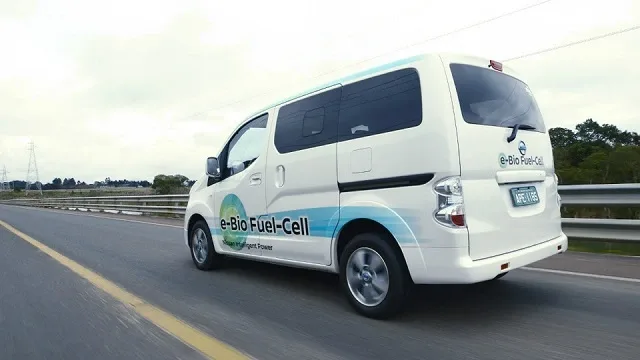
Energy is stored in a battery pack with a capacity of 24 kilowatt-hours. The Japanese stated that a 30-liter fuel tank filled with 100-percent ethanol is enough for more than 600 kilometers of travel.
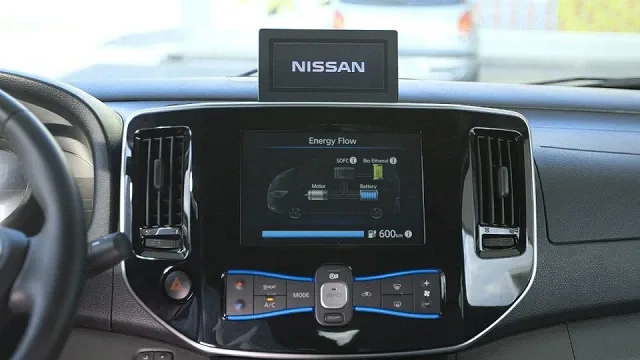
Distinctive features of the car with solid oxide fuel cells are "silent operation of the units and brisk acceleration".
Bioethanol is obtained from sugarcane, soybeans, or corn, which are widely cultivated in South America. Nissan noted that the small amount of carbon dioxide (CO2) generated during the conversion of hydrogen from bioethanol will be absorbed by the very plants that serve as raw material for the fuel.
Nissan will continue the development and improvement of solid oxide fuel cell power plants. The Japanese assume that the technology will find widespread use in the automotive industry by 2020.