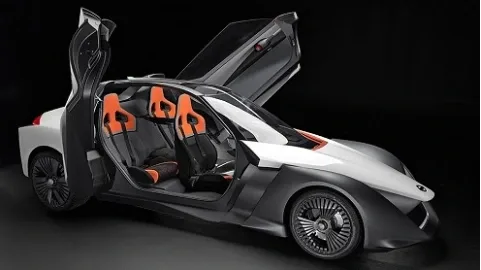
From the first version, which appeared in 2013 at the Tokyo Motor Show, the new model differs in a more "restrained" design, technical content, and the presence of a special drift mode. Its debut took place in Rio de Janeiro on the eve of the Olympic Games. The manufacturer called the new model a fully functional "advanced prototype." It was developed by Nissan in collaboration with the Williams Formula-1 team division — Williams Advanced Engineering, which provided the power unit.
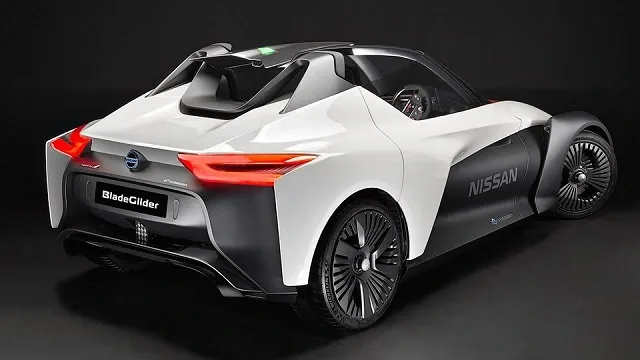
The new model is equipped with two electric motors of 130 kilowatts each, which drive the rear wheels. The motors are powered by a set of 220-kilowatt lithium-ion batteries. The car's weight does not exceed 1300 kilograms. The Nissan BladeGlider will reach 100 km/h in less than five seconds. The maximum speed is 190 kilometers per hour.
The power unit has several operating modes, including a special setting for drifting and a variant in which the best handling is achieved. The car lacks traditional rear-view mirrors. Instead, rear-view cameras are used, with images displayed on monitors located to the left and right of the steering wheel.
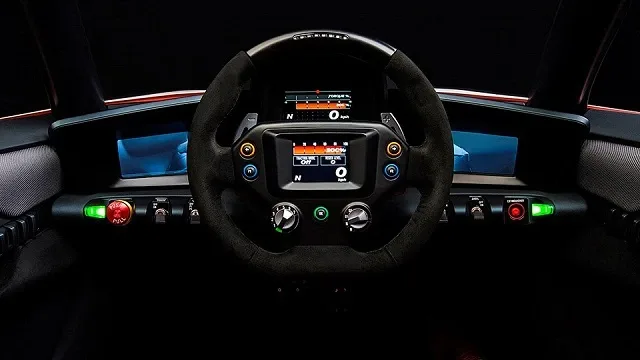
The prospects for serial production of such a car are not yet clear. According to the head of the Renault-Nissan alliance, Carlos Ghosn, the BladeGlider is "an electric car for those who truly love cars." It shows what an electric sports car of the near future could be.
Initially, Nissan planned to launch the triangular car into production as early as 2016. However, the company later abandoned these plans.