Experts attribute this activity to the fact that the federal tax credit, which allows saving more than one thousand dollars when buying an electric car, is coming to an end. According to the updated conditions, it is enough for the buyer to sign a legally binding contract and make a down payment before September 30 — even if the car itself is delivered later. The US Internal Revenue Service (IRS) has already officially announced these changes, which essentially pushes people to place orders right now.
The most noticeable increase in demand was for the Model Y, which was already the most popular Tesla model. As the company notes, in many local markets, warehouse stocks of this model are almost depleted, so Tesla is considering revising prices. Raj Jeganathan, Vice President of IT, AI, and Service Operations, confirmed on social network X that such discussions are currently underway. Adjusting the price would help balance supply and demand, especially if the number of orders continues to grow.
Previously, Tesla has repeatedly and successfully changed prices on its models — in particular, the Model S, Model X, and Cybertruck. At that time, the company also offered a so-called "premium package," which included free access to Full Self-Driving features, unlimited use of the Supercharging network, four years of improved service maintenance, and a lifetime subscription to premium connectivity. Regarding the Model Y, experts note: even a slight price increase could push buyers to place orders faster, as many want to lock in the current price. At the same time, a significant price jump could somewhat temper the enthusiasm of some customers.
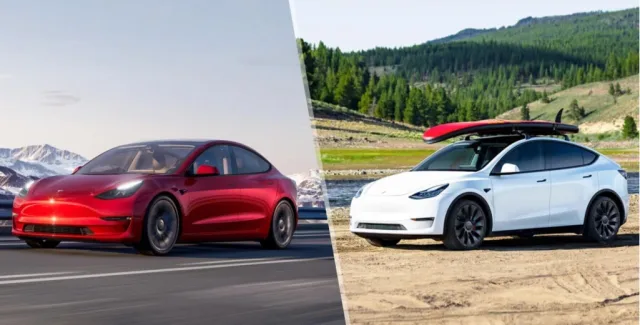
Analysts believe that the current hype could bring Tesla one of its best quarters in recent years. The high interest applies not only to the Model Y but also to the updated Model 3, which after a recent facelift received better aerodynamics, a redesigned interior, and more modern comfort and safety systems.
This period could become important for the American electric vehicle market, showing that demand for Tesla remains at a consistently high level, and tax incentives can significantly influence buyer choices.