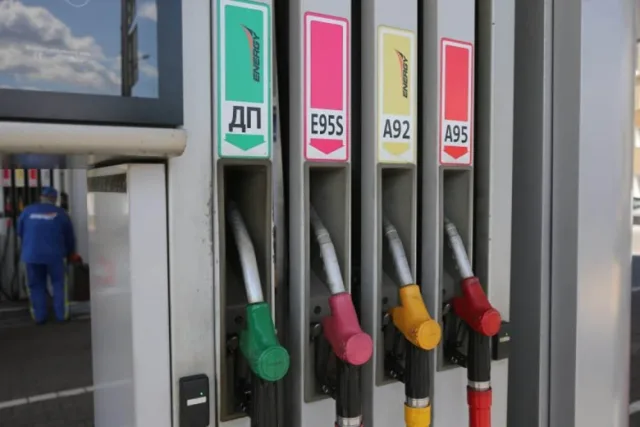
The main reasons are rising global oil prices and new strikes on the Kremenchuk oil refinery. The latest event at this enterprise, important for the country, has complicated logistics. Now fuel is brought from abroad, which affects both the cost and the speed of supply.
Most fuel market experts agree that the country's leading companies conclude deals directly, without intermediaries. However, they set a markup of about 14–15 hryvnias on each liter, which determines the final figure at gas stations. As a result, gasoline now costs 64 UAH/l, diesel — 62 UAH/l, and more expensive brands can reach 68 UAH/l.
Despite the difficult geopolitical situation, the fuel market in Ukraine remains relatively confident. For comparison: quite recently, wholesale prices for diesel fuel were at the level of 50 UAH/l, and now they have dropped to 49 UAH. True, experts believe that this figure is also overestimated by about 2 hryvnias. Such changes are a reaction to events both within the state and on the world stage.
It is also worth noting that in Ukraine prices do not fall as quickly as they rise. This rule applies to all fuel — from gasoline to autogas.
The international situation also remains difficult. US airstrikes on Iran and talk of a possible closure of the Strait of Hormuz, through which about a fifth of the world's oil is transported, have led to a jump in prices to maximum values in five months. This could not but affect the Ukrainian market. At the same time, some experts express doubts that the strait will actually be blocked: for this, Iran would have to conduct a serious military operation, and this is too risky.
According to the most conservative estimates, if the cost of oil stops at $75 per barrel, fuel prices in Ukraine will remain within the mentioned values. But if quotations continue to grow, one should be ready for another price increase.
The conclusion is obvious: fuel in Ukraine is becoming more expensive. So drivers should expect temporary but noticeable financial pressure.