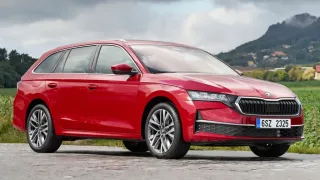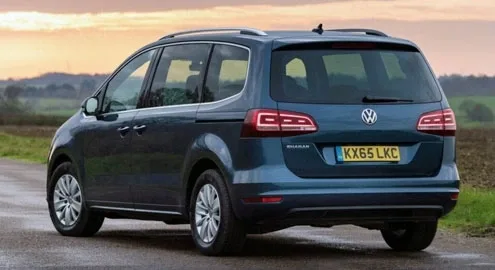
For example, the Volkswagen Sharan's cargo area is actually 325 liters less than the stated figure. And it's not just VW that's guilty of this – a similar picture is observed with other manufacturers.
Volkswagen specifies the Sharan's trunk volume as 955 liters, but ADAC measurements showed that its actual size is 630 liters. The experts also cite another example – the Volvo XC90. For this crossover, the difference between the manufacturer's specifications and real data is more than 240 liters.
As noted by ADAC, automakers mainly overstate trunk volume figures for expensive models, while for budget cars the differences are small: for instance, the Renault Duster's trunk is only four liters less than stated. Moreover, for the smallest cars, urban compacts like the Toyota Aygo, the actual trunk volume is often larger than what manufacturers indicate.
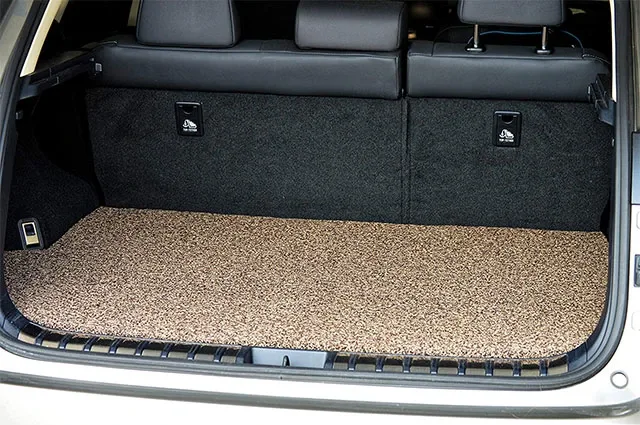
According to the Germans, the large discrepancies between manufacturer data and practical measurements are due to some brands including compartments in the trunk volume that belong to this part of the body but cannot actually be used for their intended purpose – for example, the cutout for the spare wheel in the niche.
In this regard, experts advise using manufacturer data only as a rough guide and always checking the trunk volume in practice, especially when you regularly need to transport bulky items (like a stroller).