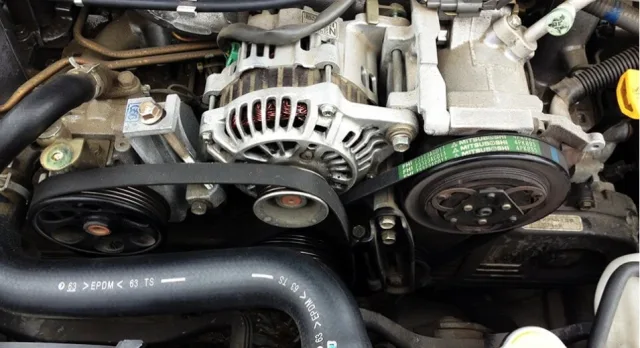
Многие водители сталкиваются с ситуацией, когда даже новый ремень генератора начинает издавать неприятный свист. Казалось бы, проблема должна решиться заменой, но через несколько дней после установки снова появляется шум. Давайте разберёмся, почему свистит ремень генератора после замены, какие причины встречаются чаще всего и что можно сделать для устранения неисправности.
Почему свистит новый ремень генератора
Главный вопрос автовладельцев - почему свистит новый ремень генератора, если он только что установлен. Причин может быть несколько:
Недостаточное натяжение. Новый ремень часто устанавливают без должной регулировки. Слабое натяжение приводит к проскальзыванию по шкивам, и отсюда появляется свист.
Чрезмерное натяжение. Перетянутый ремень тоже может свистеть, а кроме того - ускоренно изнашивает подшипники генератора и роликов.
Низкое качество резины. Если ремень дешёвый или поддельный, материал быстро дубеет или теряет эластичность.
Попадание влаги или грязи. После дождя или мойки автомобиля ремень может временно посвистывать, особенно если установлен новый и ещё не притёрся.
Почему ремень генератора свистит на холодную
Отдельный случай - когда шум появляется только утром или после долгой стоянки. Почему свистит ремень генератора на холодную?
На холоде резина становится жёсткой и хуже сцепляется со шкивом.
Влага, конденсат и мороз усиливают проскальзывание.
Натяжение, которое казалось нормальным при установке, на холодном двигателе ослабевает.
Чаще всего такой свист исчезает через несколько минут прогрева, но это сигнал, что ремень стоит проверить и подтянуть.
Почему свистит ремень генератора на ВАЗ 2110
Владельцы отечественных автомобилей часто замечают характерный шум. Почему свистит ремень генератора на ВАЗ 2110?
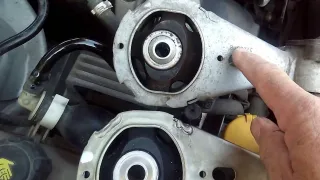
Неправильная регулировка натяжного ролика.
Износ шкивов - особенно на старых машинах.
Использование дешёвых ремней, которые быстро теряют эластичность.
Неисправность подшипника генератора или ролика, из-за чего ремень работает с перекосом.
На ВАЗ 2110 рекомендуется регулярно проверять состояние ремня и его натяжение, так как конструкция довольно чувствительна к перекосам.
Почему свистит ремень генератора после замены
Вернёмся к главной проблеме - почему свистит ремень генератора после замены. Это может происходить из-за:
неправильного натяжения (ослаблен или перетянут);
установки ремня неподходящего размера;
некачественного материала (новый, но уже с дефектом);
грязных или изношенных шкивов;
неисправности подшипников генератора.
Даже новый ремень не будет работать тихо, если не устранены сопутствующие проблемы.
Как устранить свист
Проверьте натяжение ремня - при нажатии он должен прогибаться на 8-12 мм.
Очистите шкивы от грязи и следов масла.
Используйте качественные ремни от проверенных производителей.
Проверьте состояние подшипников генератора и роликов.
Если ремень свистит только «на холодную» и свист быстро проходит - проблема не критична, но всё же стоит провести диагностику.
Итог
Мы разобрали основные ситуации:
Почему свистит новый ремень генератора - чаще всего из-за неправильного натяжения или низкого качества.
Почему свистит ремень генератора на холодную - из-за конденсата, мороза и временного проскальзывания.
Почему свистит ремень генератора на ВАЗ 2110 - из-за изношенных роликов, шкивов и некачественных ремней.
Почему свистит ремень генератора после замены - если не учесть сопутствующие факторы, свист появится даже у нового ремня.
Регулярная проверка и правильная регулировка помогут избавиться от шума и продлить срок службы генератора.
Advertising
Comments
No comments yet. Say the first word.
Write a comment
No sign-up needed - just your name.
Write