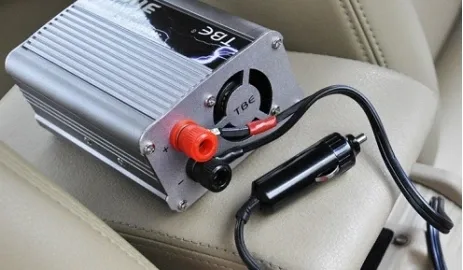
По этой причине сегодня стали дефицитом автономные светильники, генераторы и прочие приспособления, позволяющие с минимальным дискомфортом переждать отключение электроэнергии. В нынешних условиях будет незаменимым еще один девайс – инвертор для автомобиля...
Количество окружающих нас электроприборов не сосчитать, поэтому нам даже трудно представить, как можно без них существовать. Что уж говорить о случаях, когда под рукой нет розетки на 220В, позволяющей зарядить телефон или ноутбук, подключить электродрель или телевизор.
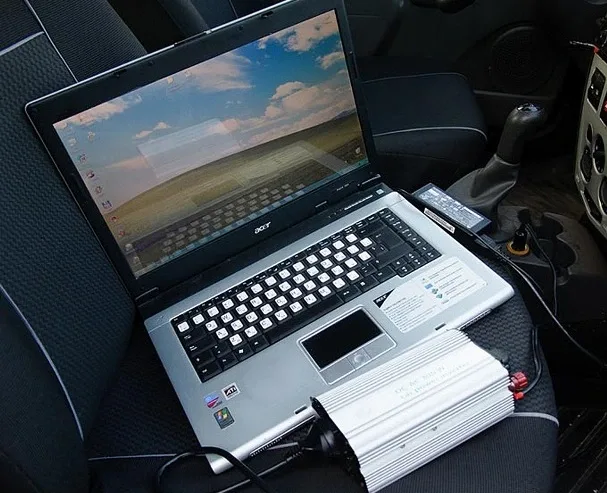
Преобразователь напряжения (он же инвертор) позволяет организовать такую сеть в собственном автомобиле (да и в доме тоже). Это устройство преобразует входное постоянное напряжение (DC) 12В в переменное напряжение (AC) 220В с частотой 50 Герц. Благодаря этому к нему можно подключить самые разнообразные приборы, рассчитанные на работу от бытовой сети.
При выборе инвертора следует учитывать его особенности и мощность.
Все инверторы по типу выходного напряжения можно разделить на две группы:
1.Преобразователи с «чистым» синусом. Имеют на выходе переменное гармоническое напряжение амплитудой 310В, среднеквадратичным (действующим) значением 220В и частотой 50Гц.
Для простоты восприятия мы приведем график:
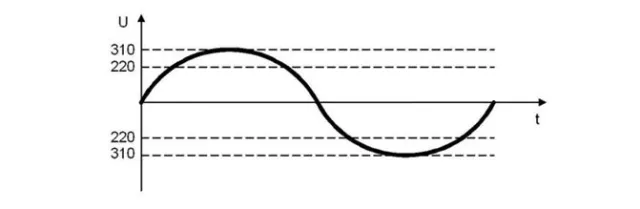
Это наиболее сложные и дорогие инвертеры. Они обладают максимально качественным выходным напряжением, но имеют и недостатки. У них большие габариты и масса, меньший КПД. Но без них не обойтись, если, например, приходится «запитывать» медицинскую аппаратуру, телекоммуникационные приборы и пр.
2. Преобразователи с выходным напряжением упрощённого вида, заменяющего синусоиду (так называемый модифицированный синус). Имеют на выходе переменное прямоугольное напряжение амплитудой 310В, среднеквадратичным (действующим) значением 220В и частотой 50Гц.
Для примера приводим график модифицированного синуса:
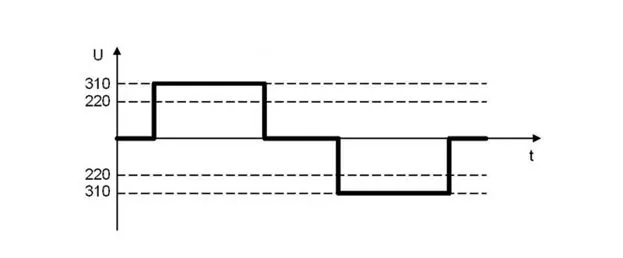
Большинство приборов, используемых в быту и предназначенных для работы от сети 220В 50Гц, без последствий переносят использование переменного напряжения упрощённой формы. Для приборов, имеющих импульсные блоки питания (современные телевизоры, компьютеры, зарядные устройства) такое напряжение является рабочим.

Основной задачей при выборе автомобильного инвертора остается определение необходимой мощности устройства. Предпочтение следует отдавать преобразователю, имеющему большую мощность, чем суммарная мощность всех приборов, которые планируется к нему подключить.
Если купить инвертор меньшей или равной мощности, то устройство может не работать или прийти в негодность. Для блоков зарядки телефонов, небольших ноутбуков и планшетов подойдут маломощные устройства - мощностью до 150-200 Вт. Они недорогие и подсоединяются через разъем прикуривателя.
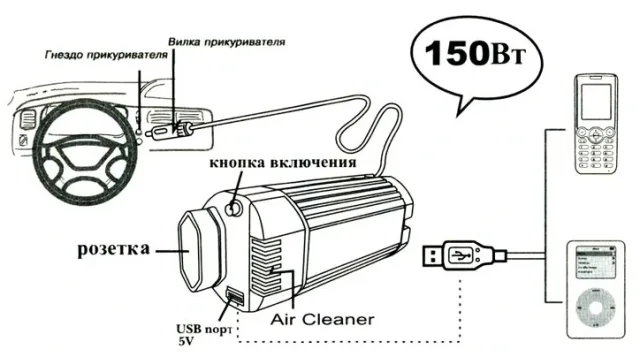
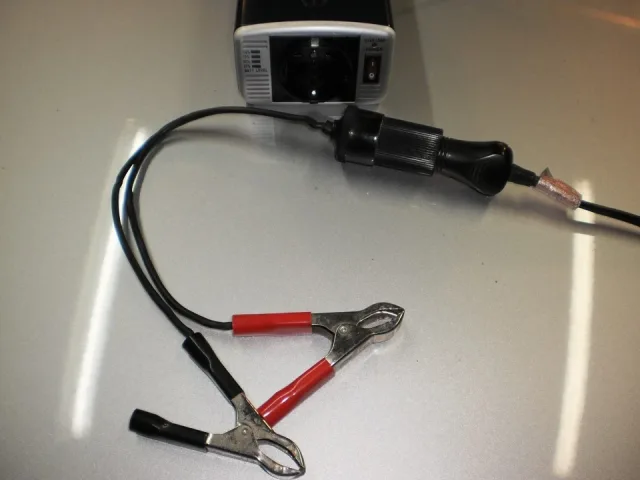
Инверторы, к которым вы собираетесь подсоединять, скажем, стационарный компьютер и электроинструмент (можно и холодильник!) должны быть на 20-30% мощнее устройств и выдерживать кратковременные нагрузки, превышающие номинальные в 2-2,5 раза. О прикуривателе здесь речь уже не идет, подключать их необходимо отдельными мощными проводами, так как потребляемый при их работе ток может составлять десятки ампер.
Но помните! Если вы не планируете подсоединять мощные приборы, слишком мощный инвертор вам также не нужен. Он будет потреблять больше энергии, чем требует маломощный бытовой прибор.
Так, скажем, подключенный к сети автомобиля 1,8-киловатный инвертор будет потреблять на «холостом ходу» до 40Вт.
Кроме того, не стоит забывать и о том, что аккумуляторная батарея не «резиновая». Чем мощнее преобразователь и подключенные к нему приборы, тем быстрее она разряжается. Говоря проще, можно оказаться с разряженным аккумулятором и неработающим двигателем где-нибудь посреди поля или на берегу реки, вдали от цивилизации.
Для приблизительной оценки возможностей приборов и АКБ мы приведем таблицы соответствия. Но все равно перед покупкой рекомендуем обратиться к консультанту, который подберет необходимое вам устройство.
Мощность преобразователяи рекомендуемые емкости АКБ
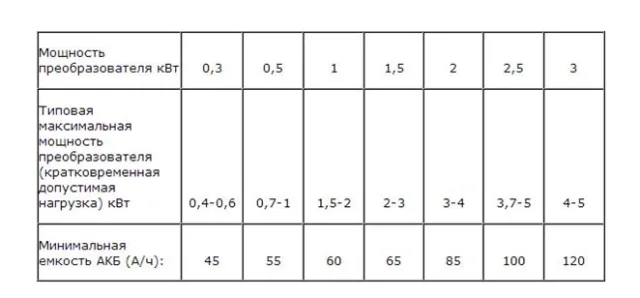
Ориентировочное время работы от аккумуляторов
Благодарим за помощь в подготовке материала:
интернет-магазин «AZVUK»
(067) 440-60-44