К написанию этого материала меня, человека, у которого никогда не было собственного автомобиля и который ни разу не сталкивался с работой ГАИ, подтолкнул телевизионный сюжет о грузинском аналоге этой структуры.
В тот период я как раз оканчивал курсы в киевской автошколе. Меня поразило, насколько просто украинская корреспондентка (для них — иностранка) всего за час, без посещения каких-либо курсов, после прохождения экзаменов получила водительское удостоверение. Сумма, которую она за это отдала, была, по её словам, «смешной». При желании она могла тут же оформить и номерные знаки.
В наших же реалиях весь этот процесс растягивается на гораздо более длительный срок и обходится заметно дороже.
Обучение в автошколе
К занятиям я относился серьёзно: внимательно слушал, задавал вопросы, старался вникнуть во все детали. Но при этом не был уверен, что в отечественном ГАИ у меня всё пройдёт так же гладко, как у той журналистки в Грузии.
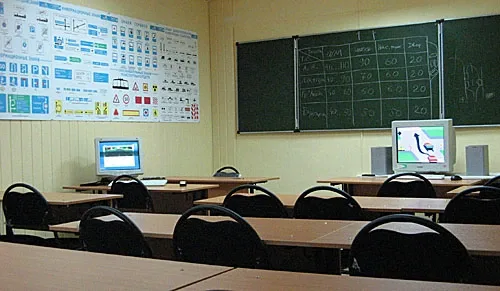
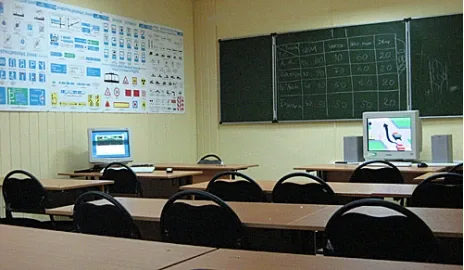
Наша группа была немногочисленной, а преподаватель, на первый взгляд, казался компетентным. Однако уже с первых дней меня смущало, почему слушатели, отдавшие за обучение 2500 грн. (1900 грн. за теорию и 600 грн. за топливо), не особо спешат появляться на лекциях. А самый первый вопрос, прозвучавший после знакомства с преподавателем, был таким: «Как можно оплатить экзамены в ГАИ и какова сейчас такса?» Педагог искусно ушёл от ответа, заявив, что если хорошо заниматься, то никакие дополнительные платежи не понадобятся.
Тем не менее, мысль о том, что успешно сдать экзамены в ГАИ без финансовых вливаний невозможно, не отпускала.
Одолев половину курса, мы приступили к подготовке к экзамену. Преподаватель раздал нам экзаменационные билеты, и мы принялись их решать. На все расспросы о том, будут ли такие же задания в ГАИ, он неизменно отвечал: «Учите правила дорожного движения — и всё будет в порядке!»
Никаких намёков на то, что существует два разных варианта билетов, которые к тому же серьёзно различаются, не было и близко.
Чтобы подстраховаться, я (единственный во всей группе) взял билеты домой на выходные и прорешал их несколько раз. Этот же вариант использовался и на внутреннем экзамене в автошколе, который я сдал без труда.
Не подозревая о подвохе, я продолжал усердно готовиться. Отыскал в интернете сайт с теми же вопросами и оттачивал свои навыки с помощью онлайн-тестов.
Обучение вождению
После каждого урока по вождению инструктор неизменно просил меня расписаться в документах. Поначалу я ставил подпись, не глядя, но однажды обратил внимание на графу, под которой расписывался. Среди прочего там было указано место проведения занятия: автодром. Мы же с инструктором там ни разу не были. «Езда по реальным городским улицам явно полезнее, чем скучное нарезание кругов на площадке», — подумал я и не стал задавать лишних вопросов.
Время шло, обучение подходило к концу, и всё было бы замечательно, если бы во время одной из бесед с инструктором не выяснилось, что практическую часть экзамена в ГАИ мы будем сдавать на автодроме, расположенном возле МРЭО.
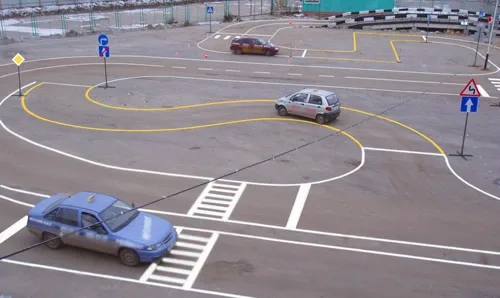
Раз так, мне захотелось собственными глазами увидеть это место и понять, что именно мне предстоит. Тем более что я до сих пор не был ни на одном автодроме, включая площадку при МРЭО.
На мою вполне законную просьбу инструктор, немного замяшись, ответил, что этот вопрос решается только через директора автошколы, что в принципе возможно, но только с его разрешения, и что это будет стоить определённых денег.
В итоге мы всё же заехали на автодром. Упражнения — «заезд в гараж», «эстакада», движение задним ходом — требовали серьёзной отработки, причём исключительно на самой площадке!
Я поспешил поделиться своими опасениями с группой, предложив вместе потребовать у директора необходимые занятия на автодроме. К моему удивлению, мои слова были полностью проигнорированы, а попытки объяснить, что это критически важно для успешной сдачи, не нашли поддержки.
На следующем занятии я рассказал инструктору о реакции одногруппников. Он усмехнулся и пояснил, что ничего удивительного в этом нет: группа уже внесла плату за экзамен.
Тут всё встало на свои места. Оказалось, что, заплатив инструктору или директору автошколы $250, можно сразу выдохнуть и не переживать ни об экзаменах в школе, ни в ГАИ. Можно уложиться и в $200, но не в этом случае, и только через инструктора — у него есть свой канал, не связанный с директором, и он не хочет, чтобы это стало известно.
$200 — неплохая цена за права, подумал я, вспомнив, что уже отдал $300! И не нужно было бы учиться целых 3 месяца. В итоге все мои одногруппники заплатили за свои права по $550.
А я решил сдавать «честно», то есть полагаясь только на собственные силы.
При встрече с директором на внутреннем экзамене я попытался выяснить, как можно попасть на автодром для тренировок. Ответ был категоричным: нельзя, и всё тут! Мол, есть занятия на улице с инструктором, там и практикуйтесь.
Пришлось оплачивать дополнительные уроки, а также самостоятельно ездить на платный автодром.
Сдача теоретического экзамена в ГАИ
На теоретическом экзамене в ГАИ обнаружилось, что билеты и вопросы в них — совсем не те, что мы разбирали в школе. Оформление билетов, иллюстрации и формулировки заданий не имели ничего общего с тем, чему нас учили. И я, разумеется, провалился, «засыпавшись» на последнем, 20-м, вопросе.
Придя в себя после такого шока, я начал разбираться, что произошло. Выяснилось, что существует несколько вариантов экзаменационных билетов ГАИ! Есть так называемая Киевская версия, состоящая из 100 билетов, и Харьковская — из 90.
Отыскав в интернете Киевскую версию, я сразу узнал в ней ту, по которой принимают экзамен в столичном ГАИ. Но как же она отличается от Харьковской, по которой мы занимались! Она гораздо сложнее. Разница в 10 билетов — это 200 дополнительных вопросов. Но кто бы мне об этом сказал заранее?!
Я слышал о существовании разных версий и даже читал об этом в интернете, но не придал этому значения, поскольку доверился людям, которые, как предполагается, лучше знают, ЧТО и КАК нужно преподавать, и учат нас именно тому, что необходимо.
Никто в школе даже не обмолвился о том, что между этими редакциями есть существенная разница, и она не ограничивается простым перемешиванием вопросов. Мне, после довольно качественной подготовки по Харьковской версии, пришлось серьёзно попотеть, чтобы разобраться во всех тонкостях Киевского варианта.
Директор школы на мои претензии по поводу недостаточного информирования учеников о подготовке к экзаменам лукаво улыбнулся и посоветовал внимательно учить правила, а не зубрить билеты, — тогда, мол, никаких проблем не будет.
Такая безапелляционность и откровенная ложь, прикрытая железной логикой, меня просто обезоружили. Я понял: что-то доказывать бесполезно. Передо мной — отлаженная схема: дать ученикам автошколы минимум знаний, запугать их, чтобы неготовый абитуриент заплатил взятку за успешную сдачу экзамена в ГАИ, а также «завалить» тех, кто всё же решится сдавать самостоятельно.
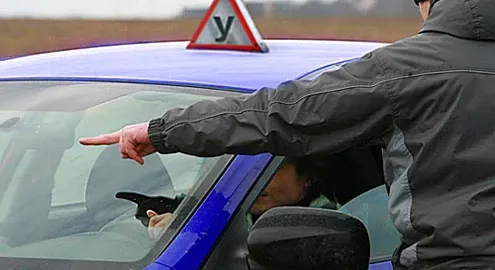
Ложь заключалась ещё и в том, что вопросы в билетах не всегда касаются только правил дорожного движения. В них включены и другие разделы, без знания которых экзамен не сдать:
1. Основы автотранспортного права, где описаны права и обязанности участников движения, возможные действия милиции и инспекторов ГАИ и многое другое.
2. Так называемая ОБДД (основы безопасности дорожного движения), где разбирается практическая часть вождения, его особенности в различных погодных условиях, а также на автомобилях с разной грузоподъёмностью и типом привода.
3. Основы оказания первой медицинской помощи при ДТП.
Ничего из этого на занятиях в автошколе МЫ НЕ ПРОХОДИЛИ! Только в самом конце курса (и лишь после настойчивых требований) нам выдали ужасного качества ксерокопию по основам безопасности дорожного движения. Но в ней, как потом выяснилось, всё равно было не всё, что нужно.
Основы первой медицинской помощи мы вообще изучали самостоятельно по материалам из интернета. Более того, даже зная ПДД назубок, можно легко ошибиться в ответах. Вопросы составлены не только для проверки знания правил, но и на внимательность и понимание. Есть множество нюансов и ловушек, о которых обязана была рассказать автошкола.
В результате многочасовых самостоятельных занятий повторный теоретический экзамен в ГАИ я сдал за 10 минут.
До получения прав остаётся сдача практического экзамена или $125 — на выбор. Я выбрал сдачу экзамена.
Сдача практического экзамена в ГАИ
Инструктор не хотел давать мне машину на экзамен, а «своей» у меня не было, поэтому мне пришлось брать у него дополнительные уроки, чтобы он «поверил» в мои силы. Это обошлось мне в 480 грн. и ещё 4 занятия. Уроки проходили всё так же в городе и дали мне мало нового и полезного для сдачи экзамена на автодроме.
Мысль об автодроме не давала покоя. Решив, что площадка при МРЭО для меня недоступна, я начал искать автодром и машину у друзей и родственников, чтобы хоть как-то освоить те упражнения, которые будут на экзамене.
Это оказалось самым правильным и полезным решением. Но, опять же, оно стоило денег: три занятия по два часа на платном автодроме — 240 грн., плюс подарок родственникам, предоставившим машину для тренировок и сдачи экзамена — 260 грн. (бутылка хорошего коньяка).
Каково же было моё удивление, когда после получения заветных прав я неожиданно узнал, что на автодроме МРЭО можно спокойно тренироваться! Любой желающий (тем более автошкола), заплатив 10 грн. за круг, может там ездить. Многие так и делают: машины других автошкол с учениками и инструкторами «наматывают круги» и оттачивают мастерство перед экзаменом. И мне совершенно непонятно, почему другие автошколы МОГУТ это делать, а НАША — нет?!
Автодром при МРЭО на Туполева:
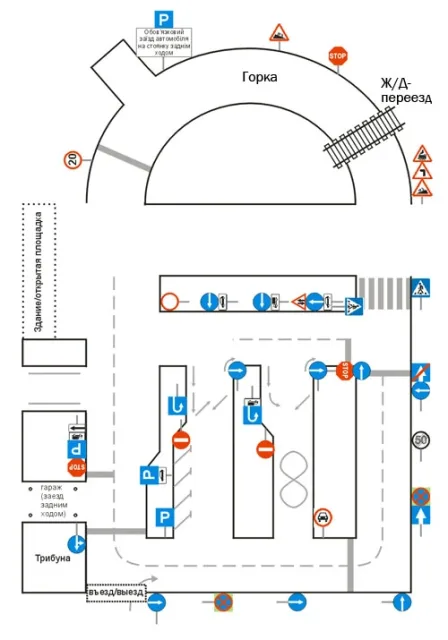
5-10 кругов (50-100 грн.) таких тренировок вполне могли бы обеспечить хорошую подготовку и без проблем сдать экзамен на автодроме.
Но это совершенно не входило в планы руководства нашей автошколы. Мало того, что они не сообщили ученикам о такой возможности, так ещё и отказали в помощи, сбили с толку и обманули, отправив на улицу. Я расцениваю это как схему прямого вымогательства денег у абитуриентов, не сдавших экзамены.
Практический экзамен на автодроме ГАИ я сдал с первой попытки.
В МРЭО я заплатил: за пересдачу теории (33 грн.), вождение и пластиковую карточку водительского удостоверения — 414 грн. Причём за саму карточку почему-то было два платежа — 147 грн. и 208 грн. (банковские услуги обошлись в 26 грн.). За что такие деньги (по сути, за кусок пластика) и почему два платежа, мне было непонятно, но разбираться уже не хотелось. Хотелось поскорее завершить этот кошмар.
В конечном счёте, хоть и с большим трудом, я всё же добился своего: вырвал у системы заветный прямоугольник из пластика без взятки.
Стоимость
Получение прав обошлось мне в:
- 1900 грн. — обучение в автошколе;
- 600 грн. — практические занятия в автошколе;
- 414 грн. — пересдача теории, сдача вождения и получение прав;
- 480 грн. — дополнительные занятия с инструктором автошколы, чтобы «он в меня поверил»;
- 240 грн. — самостоятельные занятия на автодроме;
- 260 грн. — подарки друзьям за использование автомобиля; бессонные ночи самостоятельного изучения другой версии билетов;
- самостоятельные поиски материалов по ОБДД, основам медицинской помощи и т.п.;
- поиски автодрома, машины.
Итого: 3894 грн. + нерационально потраченное время и потрёпанные нервы.
Выводы
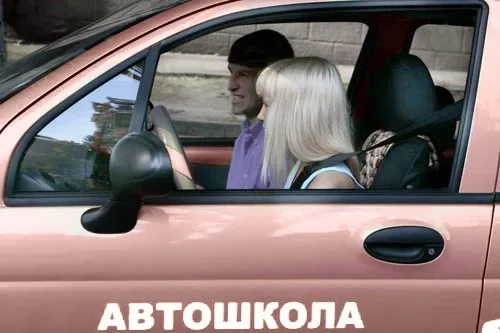
1. Экзамен в ГАИ сдать без денег можно! И мифы о том, что это невозможно, сильно преувеличены. Нужно лишь хорошо и правильно подготовиться и, главное, добиться в полном объёме того, что автошкола обязана дать и научить.
2. В автошколу можно и не ходить (а такую, как описанная выше, лучше обходить стороной) — согласно постановлению Кабинета министров Украины № 340 от 08.05.1993 г., граждане, которые по уважительным причинам (режим работы, семейные обстоятельства) не могут посещать занятия по автоподготовке или переподготовке, имеют право сдать экзамены для получения водительского удостоверения экстерном.
Все правила можно выучить дома, а с помощью толкового инструктора довести практические навыки до необходимого уровня. Подав предварительно соответствующие документы, можно без описанной выше головной боли сдать всё в ГАИ экстерном.
3. Не обязательно сдавать экзамены вместе со своей группой. Можно, взяв у руководителя автошколы экзаменационную карточку, сдать экзамены (и теорию, и практику) самостоятельно на «своей» машине в УДОБНОЕ время.
МРЭО работает вт-сб с 9.00 до 18.00, перерыв с 13.00 до 14.00 (подробнее см. «Адреса и телефоны МРЭО г. Киева»).
Даже непосредственно перед экзаменом в таком случае можно сделать несколько кругов на треке, чтобы вспомнить все нюансы, и только потом, отдав экзаменационный лист инспектору, спокойно проехать свой победный круг.
При сдаче экзаменов с автошколой на их машине этого не позволят — будет очередь, суматоха и ограниченное время.
4. Автошколы не заинтересованы в том, чтобы их ученики сдавали экзамены самостоятельно. Поэтому и появляются такие искусственные преграды, как не та версия билетов, недоступность автодрома и прочее, а также недоговорки и недостаточная информированность абитуриентов, что и приводит к низкому проценту самостоятельной сдачи экзаменов.
5. Большинство желающих получить права, веря в миф о нереальности самостоятельного прохождения экзаменов, САМИ доплачивают деньги после автошколы, чтобы «быть уверенными» в результате.
6. Из-за этого руководители автошкол, привыкшие к ученикам, готовым платить, оказываются совершенно не готовыми к редким желающим получить права легально и не могут, да и не хотят обеспечить их тем, что для этого необходимо. Хотя именно ради этого люди и приходят в автошколу и платят деньги.
То есть, если бы таких желающих было больше, то и уровень обучения, и доступность «чистого» получения прав были бы выше.
7. За возможность честно сдать экзамены приходится бороться — коррупционная схема выгодна всем: и работникам ГАИ, и автошколам, и большинству нерадивых учеников.
Тем не менее, экзамены на права сдать «без денег» можно и нужно. Но для этого необходимы самоуважение, вера в собственные силы, принципиальность, а главное — нужно знать, что ЭТО ВОЗМОЖНО! Именно для этого и написана эта статья.
Уважайте себя!