Оставим за кадром вопрос о том, как именно дизель оказывается в бензиновом баке, однако стоит признать: подобные ошибки случаются довольно часто.
Принципиальная разница
И само горючее, и моторы, спроектированные под конкретный тип топлива, имеют фундаментальные отличия.
В процессе переработки нефти при разных температурных режимах выделяются фракции, которые после последующей обработки становятся:
- бензином,
- керосином,
- дизелем,
- мазутом.
Следовательно, бензин и солярка различаются не только химическим составом, но и особенностями сгорания: у них разное количество примесей, неодинаковые вязкость, плотность и температура воспламенения.
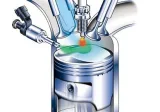
Двигатели внутреннего сгорания, работающие на этих видах топлива, тоже устроены по-разному: в бензиновом агрегате топливовоздушная смесь попадает в цилиндры и воспламеняется от электрической искры. Ключевая особенность дизеля (помимо множества других отличий) — нагрев и возгорание смеси происходит за счет сильного сжатия в цилиндре.
Солярка в бензиновом моторе
В бензиновом двигателе давление подачи смеси в цилиндры значительно ниже того, которое требуется для воспламенения дизтоплива. Поэтому пока в системе остается хоть немного бензина, процесс горения кардинально меняется: солярка сгорает не полностью, что приводит к интенсивному образованию нагара.
Попадание дизеля в топливные магистрали бензиновой машины ведет к их засорению. Высока вероятность проникновения дизтоплива в картер через цилиндры, что испортит моторное масло.
Когда же запас бензина закончится, двигатель просто остановится.
Последствия:
- чистка и ремонт мотора, как минимум цилиндро-поршневой группы,
- чистка и ремонт топливной системы и инжекторов,
- замена топливного фильтра,
- замена масла.
Кстати, карбюраторные двигатели переносят контакт с соляркой несколько легче, чем инжекторные.
Бензин вместо дизеля
Бензин обладает гораздо худшими смазывающими свойствами (детали топливной аппаратуры смазываются маслами, содержащимися в дизтопливе), у него другая теплопроводность и иной характер горения.
Дизельный двигатель способен проработать на неподходящем топливе дольше, чем бензиновый. Но и ущерб может быть серьезнее: недостаточная смазка и другой температурный режим приводят к перегреву агрегата и могут даже стать причиной его разрушения.
В итоге, если двигатель вообще подлежит ремонту, придется менять значительную часть его деталей.
Первые шаги
Даже после заливки чужого топлива в магистрали остается какое-то количество «правильного» горючего. Поэтому, ошибившись на заправке и залив солярку в бензиновую машину, вы сможете проехать еще какое-то расстояние, но на протяжении всего этого пути двигатель будет получать повреждения, иногда необратимые.
Аналогичная ситуация и с дизельным авто, в бак которого попал бензин, с той разницей, что дизельный мотор, скорее всего, продолжит работать до тех пор, пока не перегреется критически или его не заглушат.
Поэтому, если вы заметили ошибку на заправке, категорически запрещено заводить двигатель — так вы сохраните и сам мотор, и топливную систему.
Лучше вызвать эвакуатор или отбуксировать автомобиль в сервис, где сольют топливо и промоют бак. Для бензиновых машин промывка бака особенно важна, а вот дизельный двигатель более терпим к небольшим остаткам бензина.
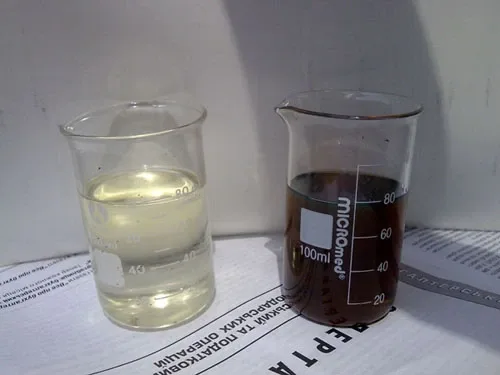
Что дальше
Затраты на ремонт напрямую зависят от того, насколько сильно пострадал двигатель: от минимальных повреждений (когда достаточно промыть бак и систему) до полной замены мотора.
Обычно перечень работ выглядит так:
- слив топлива и очистка бензобака,
- промывка топливных магистралей,
- установка нового топливного фильтра,
- чистка форсунок, замена свечей зажигания,
- замена масла и масляного фильтра.
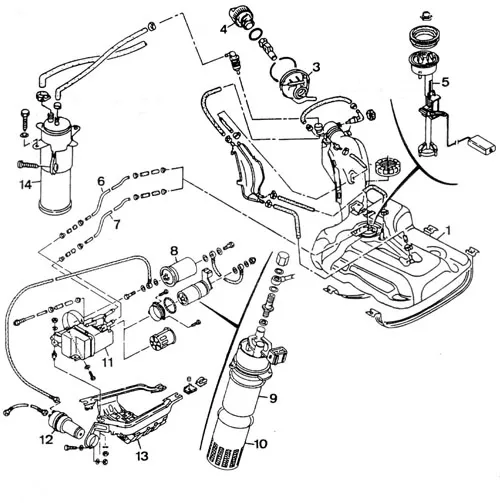
1 - топливный бак; 3 - расширительная коробка; 4 - пробка заливной горловины; 5 - датчик уровни топлива; 6 - подводящий топливопровод; 7 - сливной топливопровод; 8 - топливный фильтр; 9 - топливный насос; 10 - сетчатый фильтр; 11 - корпус топливного насоса, 12 - аккумулятор давления; 13 - защитный поддон; 14 - адсорбер
Не всё так плохо
Солярка в бензиновом авто — настоящая беда для мотора, а вот с обратной ситуацией дела обстоят проще. Если дизельному двигателю обеспечить достаточную смазку (например, подлив масла в бак), он способен какое-то время работать на бензине без серьезного ущерба. Разумеется, после такой процедуры топливопровод всё равно нужно промыть.
Более того, для некоторых дизельных автомобилей в холодную погоду даже рекомендуют добавлять в бак бензин. Доля добавляемого бензина зависит от температуры воздуха и может составлять до 5% и даже до 25% от общего объема.
Вывод
Если бак полностью залит «не тем» топливом — не пытайтесь завести машину! В этом случае, возможно, удастся отделаться лишь промывкой бака и топливной системы.
Бензиновый мотор не способен работать на смеси с соляркой. Так что разбавлять полный бак бензином смысла нет.
Дизельный двигатель, напротив, может работать на топливе с примесью бензина (лучше не более 5%). Так что если бензина в баке немного, его можно просто разбавить дизелем, и это не сильно скажется на работе мотора.