Покупая машину с пробегом, в первую очередь стоит задуматься о том, как не стать жертвой обмана. Некоторые рекомендации на эту тему уже публиковались в статье «Осторожно — мошенники!». Здесь мы продолжим эту тему.
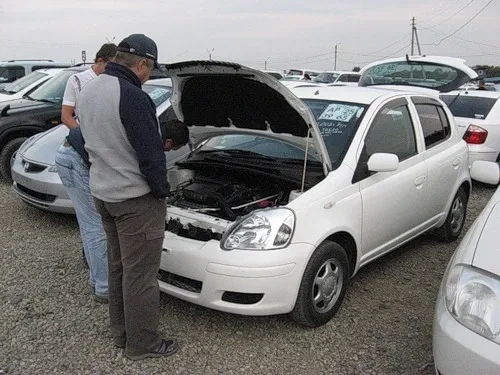
Сразу же уделите внимание бумагам. Дата выпуска, зафиксированная в техпаспорте, должна соответствовать VIN-коду (о том, как его расшифровать, рассказано в материале «Как читать VIN-код автомобиля»). Обычно номер выбит на левой передней стойке кузова и в левой верхней части передней панели. Его стоит сразу переписать, чтобы до подписания договора проверить авто по базе ГАИ на предмет угона — подобные услуги предлагают многие компании, которые помогают с оформлением сделки.
Год выпуска также можно уточнить по маркировке на стёклах и на ремнях безопасности (их креплениях). Если на этих деталях указан другой год, чем в VIN, — это повод насторожиться: возможно, стёкла или ремни меняли после аварии.
Проверьте, чтобы номера двигателя и кузова (под капотом и в салоне) совпадали с записями в техпаспорте.
Хорошим знаком будет наличие сервисной книжки — по ней видно, как часто обслуживался автомобиль, а сам факт её существования говорит об отношении владельца к своей машине. Не помешает позвонить в сервис, указанный в книжке, и поинтересоваться историей авто.
Теперь перейдём к технической части.
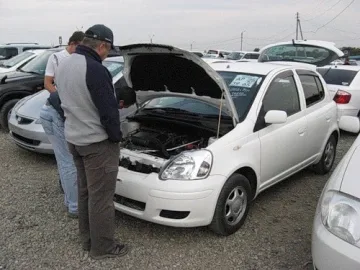
Идеальный вариант — проверить машину на специализированном сервисе, однако первые выводы можно сделать и собственными силами.
Кстати, полезные советы по самостоятельной диагностике мы уже давали в статье «Как самостоятельно определить поломки автомобиля».
Осмотр снаружи
Осматривать автомобиль стоит при хорошем свете и обязательно после мойки — в темноте гаража и под слоем грязи легко не заметить дефекты.
Начните с оценки лакокрасочного покрытия: ищите сколы, царапины, а также различия в оттенке или фактуре краски. Неровности и вмятины лучше видны, если смотреть на кузов под острым углом.
Следы рихтовки можно выявить обычным магнитом: повреждённое место обычно шпаклюют, а затем красят, и в этих зонах магнит не прилипнет. Чтобы не поцарапать покрытие, магнит стоит обернуть тканью или прикладывать через несколько слоёв бумаги. Особое внимание уделите передним крыльям, центральной части дверей и стойкам.
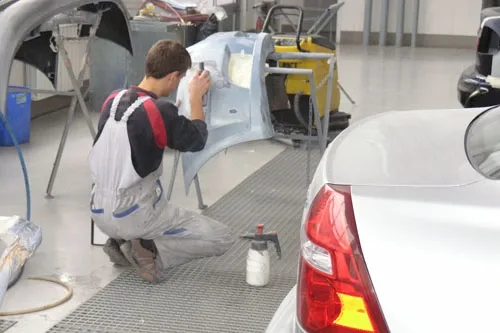
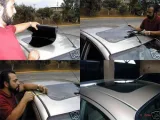
Если на крыше заметны «волны» или неоднородный цвет краски, это часто указывает на серьёзную аварию и нарушение геометрии кузова — от такой покупки лучше отказаться. Аналогичные дефекты на дверях и крыльях говорят о менее тяжёлом ДТП.
О серьёзной аварии может свидетельствовать и состояние зазоров между деталями кузова. Они должны быть одинаковыми и симметричными по всей длине. Проверьте стыки у лобового стекла, передних крыльев, капота, дверей и багажника.
Осмотрите машину на предмет коррозии. Ржавчина обычно появляется в первую очередь на подкрылках, арках колёс, порогах, под резиновыми уплотнителями и в местах соединения панелей.
Обязательно загляните в штатное место для фаркопа. Если видны следы его установки или эта зона обильно обработана антикором, есть риск, что двигатель сильно изношен из-за езды с прицепом.
Обратите внимание на тюнинг — пластиковые накладки, спойлеры, пороги, наклейки. Под ними нередко прячут вмятины и очаги ржавчины.
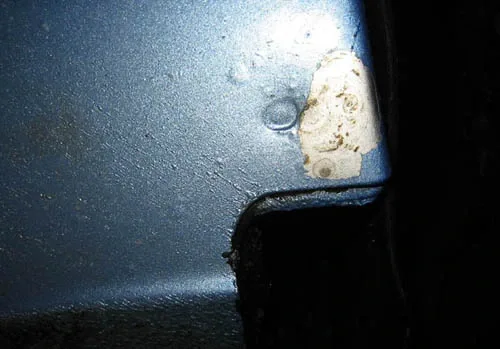
Проверьте амортизаторы на подтёки, а также целостность пыльников и резиновых отбойников.
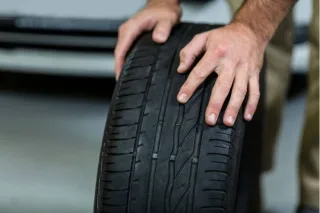
Посмотрите на шины: если они изношены неравномерно, это может говорить о нарушенной геометрии подвески или кузова, хотя иногда причина проще — владелец давно не делал развал-схождение.
Интерьер
В салоне оцените состояние обшивки и панелей, надёжность их крепления, наличие всех ручек, кнопок и переключателей.
Водительское сиденье не должно болтаться, а все его регулировки должны работать.
Под ковриками должно быть сухо, без следов и запаха гнили.
Признаки «утопленника» мы подробно разбирали в статье «Как не купить автомобиль-«утопленник».
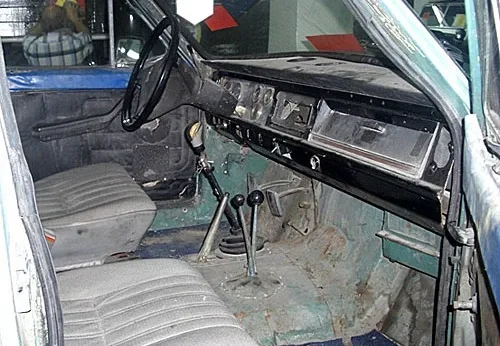
Приподнимите или снимите обшивку багажника, чтобы увидеть лонжероны — их цвет, целостность и следы ремонта, а также оттенок внутренней поверхности крыльев.
Обратите внимание на болты и петли дверей: если машина побывала в серьёзном ДТП, двери могли снимать, менять или рихтовать.
При сильном ударе обычно срабатывают подушки безопасности. Оригинальные подушки стоят дорого, поэтому продавцы нередко просто скрывают их отсутствие. Выдать это может крышка подушки перед пассажиром, закреплённая не по всей длине шва, или новая кожа на передней панели.
Проверьте подрулевые переключатели: повороты, свет, дворники, омыватель. Также стоит убедиться, что работают кондиционер, отопитель, стеклоподъёмники и прочее.
Мотор и подкапотное пространство
Идеально чистый, вымытый до блеска двигатель — повод насторожиться: так владелец может пытаться скрыть подтёки масла или других жидкостей.
Лёгкий слой пыли — это нормально, но сам мотор и радиатор должны быть сухими, без следов масла и прочих технических жидкостей.
Резиновые шланги не должны иметь трещин, они должны оставаться эластичными, а соединения — надёжными.
Осмотрите места крепления крыльев, фар, бампера и лонжероны. Сколы краски, следы отвёртки или другие отметины могут указывать на кузовной ремонт.
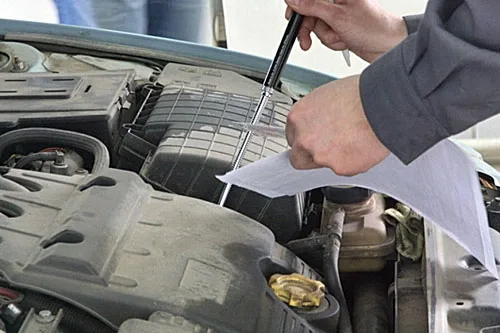
Оцените масло: в нём не должно быть посторонних включений, а на заливной горловине — пастообразного налёта. Слишком густое масло — тревожный признак: его заливают, чтобы временно замаскировать сильный износ двигателя.
Проверьте уровень и цвет антифриза. Мутная жидкость говорит о том, что в неё попало масло.
Запустите двигатель и дайте ему поработать на холостых (о том, какие звуки указывают на неисправности, читайте в статье «Как самостоятельно определить поломки автомобиля»).
На прогретом работающем моторе вытащите масляный щуп: из горловины не должен идти заметный пар, а тем более — разбрызгиваться масло. То же самое касается и заливной крышки: при её откручивании на работающем двигателе характер работы мотора не должен меняться.
Рулевое управление, подвеска, тормоза
В рулевом управлении не должно быть заметных люфтов. Педали, руль и рукоятка КПП, стёртые до блеска, — признак большого пробега.
На деталях подвески не должно быть подтёков масла или ржавчины, а на пыльниках ШРУСов — трещин.
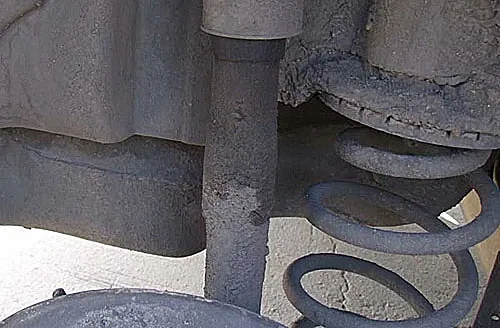
Если раскачать автомобиль, исправный амортизатор погасит колебания за один-два цикла. Если сильно надавить на угол кузова, амортизатор должен плавно вернуть его в исходное положение; резкий отскок — признак неисправности.
На ровной прямой дороге отпустите руль — машина не должна уходить в сторону. Не должно её уводить и при разгоне или торможении.
При резком торможении автомобиль не должен «клевать носом» — это говорит о проблемах с тормозной системой. Само торможение должно быть плавным, без рывков.
При езде по неровной дороге не должно появляться посторонних звуков.
Итог
Для полной уверенности лучше всего отогнать автомобиль на специализированную СТО или пригласить на осмотр своего проверенного мастера, который сможет объективно оценить состояние машины.
Если вы обнаружили описанные выше дефекты, это повод поторговаться.
О том, как правильно оформить договор купли-продажи и поставить авто на учёт в МРЭО, читайте в статье «Как зарегистрировать автомобиль».
Удачной покупки!