D — теперь не только солярка
Таинственные комбинации букв в названиях моторов начали возникать в середине девяностых, когда на сцену вышла технология прямого впрыска горючего. Эта схема позволяла доставлять бензин напрямую в камеры сгорания, минуя впускной коллектор. Подобное решение существенно повышало топливную эффективность и снижало вредные выбросы, однако требовало исключительно качественного горючего.
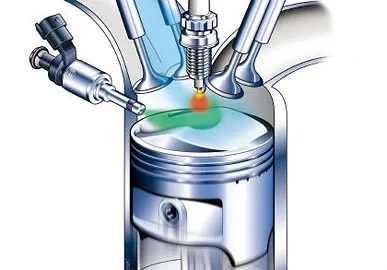
Пионером среди производителей, запустивших такие агрегаты в серию, стала Mitsubishi. Её моторы получили индекс GDI (Gasoline Direct Injection), что переводится как «непосредственный впрыск бензина».
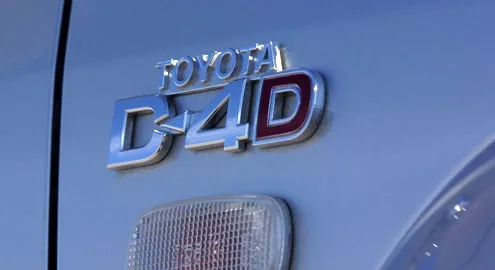
Поначалу загадочную аббревиатуру многие ошибочно принимали за указание на дизель — из-за литеры D. Но окончательно ситуацию запутала Toyota, которая назвала собственную систему прямого впрыска коротко — D4. Из-за этого японским маркам для дизельных версий пришлось добавлять ещё одну букву D — так появились индексы D4-D и DI-D.
Вскоре к японцам присоединились европейцы. Первой сориентировалась Renault, разработавшая технологию IDE (Injection Direct Essence). Но для украинского рынка машины с такими двигателями французы не предусмотрели.
К началу двухтысячных практически каждый крупный автопроизводитель освоил новую схему, но не все рискнули везти такие агрегаты в Украину. Поэтому сосредоточимся на тех версиях, что были официально представлены у нас.
В Италии прямой впрыск появился на моторах концерна Fiat. Первыми новую аббревиатуру JTS (Jet Thrust Stoichiometric) примерили модели Alfa Romeo.
Volkswagen представил собственный вариант — FSI (Fuel Stratified Injection), что означает «послойный впрыск». В итоге все бренды группы VAG обзавелись моделями с новыми буквами на корме.
Позже инженерам VW показалось, что атмосферные моторы с прямым впрыском недостаточно резвы, и в 2004 году FSI оснастили турбиной. Такой агрегат получил название TFSI (Turbo Fuel Stratified Injection).
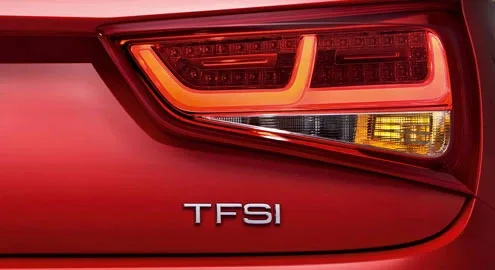
Затем руководство решило оставить четырёхбуквенный индекс TFSI лишь за маркой Audi, а остальные компании концерна перешли на короткое обозначение TSI.
Остальные европейские фирмы не захотели отставать от Volkswagen Group и выпустили собственные турбированные агрегаты с прямым впрыском. Французский альянс PSA (Peugeot/Citroen) совместно с BMW создал наддувную версию на базе моторов HPi (High Precision Injection), назвав её THP. Mercedes-Benz ответил двигателем CGI (Charged Gasoline Injection).
Почти последним своих европейских поклонников порадовал Ford, запустивший линейку турбомоторов EcoBoost. Судя по названию, компания не стала изобретать очередную аббревиатуру — возможно, все короткие сочетания уже были заняты конкурентами.
От перестановки букв смысл не меняется
Параллельно с бензиновыми агрегатами более совершенный прямой впрыск добрался и до дизелей. Технология получила название Common Rail — «общая магистраль».
Первыми оснастили такой системой свои дизельные легковушки Fiat и Mercedes-Benz. Итальянцы пометили свои модели индексом JTD (Jet Turbo Diesel), а немцы — CDI (Common Direct Injection).
Со временем все производители перешли на новую схему в дизелях. Разумеется, многим захотелось дать своему Common Rail особое имя, чтобы хоть немного выделиться. В результате появился целый набор аббревиатур, различающихся лишь порядком букв C, R, T и D.
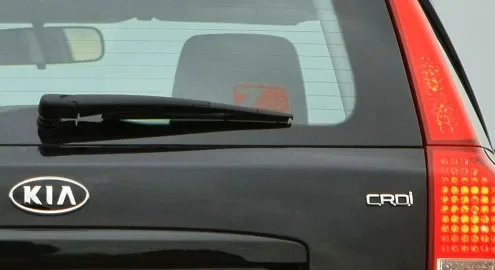
Например: CRDi (Hyundai/KIA), TDCi (Ford) или CDTi (Opel). Оригинальничать решили лишь французы из PSA, назвав свой дизель HDi (High-Pressure Direct Injection).
Казалось бы, старым обозначениям D и TD пора на пенсию, но не все компании с этим согласились. BMW спокойно называет свои дизельные модификации скромной буквой d (525d, 730d и т.д.). Volkswagen также не стал отказываться от привычного TDI (Turbocharged Direct Injection).
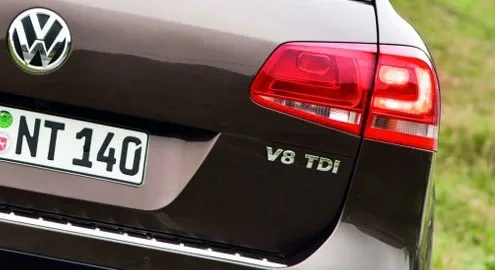
Интересно, что компании, выпускающие действительно передовые дизели, не спешат вешать на багажники модные длинные шильдики, чтобы привлечь внимание неосведомлённой аудитории.
Новые разработки — новые буквы
Помимо типа впрыска, на машинах многих марок встречаются и фирменные обозначения систем изменения фаз газораспределения (VTEC, VVTi и т.п.). Экологичность всё чаще подчёркивается красивыми словами, начинающимися на Blue (BlueMotion, BlueEFFICIENCY и т.д.). Растёт число гибридов, которые помечают литерой H.
Год от года инженеры внедряют всё новые решения, а маркетологи изобретают для них звучные имена. Хорошо продающийся автомобиль уже не обязан быть просто надёжным и качественным — рынок жаждет новинок и «высоких технологий». Поэтому появление новых и новых шильдиков — лишь вопрос времени.